45 confirmed sick in multistate Salmonella outbreak tied to supplement – CIDRAP
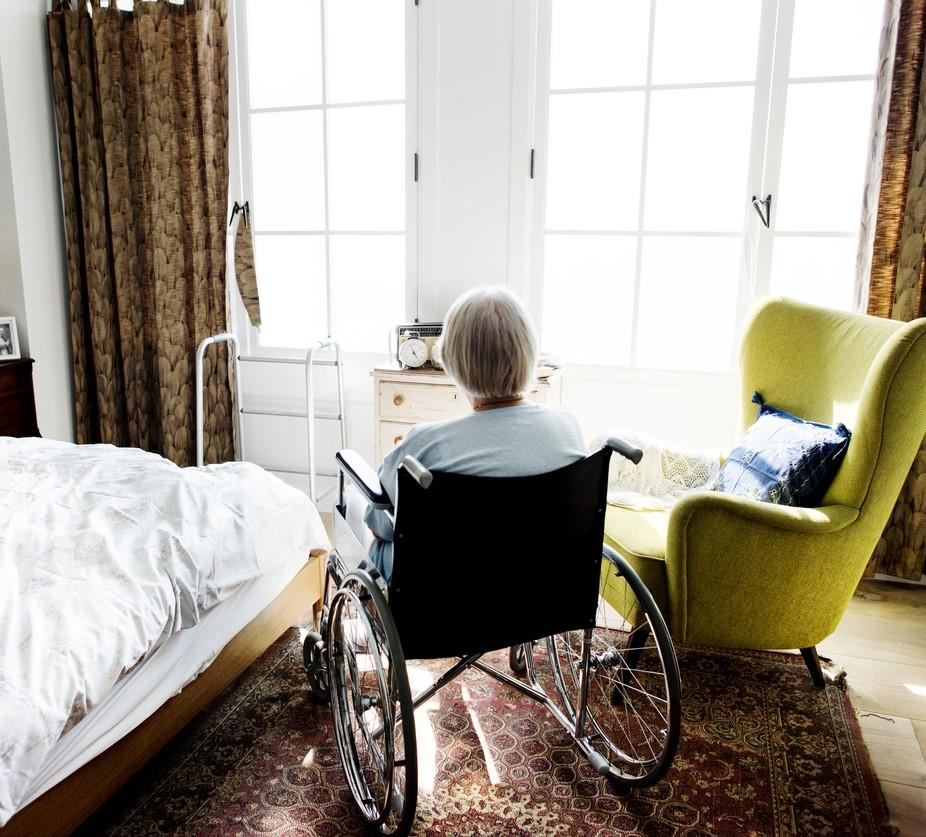
Likely due to staffing shortages, US nursing-home capacity has declined—by 15% or more in some cases—since the COVID-19 pandemic began, potentially narrowing access to long-term care and complicating hospital releases, a team led by University of Rochester, New York, researchers writes in JAMA Internal Medicine.
The team used the 2018-2024 Centers for Medicare & Medicaid Services (CMS) Payroll-Based Journal to measure changes in skilled nursing facility (SNF) capacity since 2020.
Reductions of 15% or more at a quarter of facilities
The number of licensed SNF beds fell 2.5%, and operating capacity dropped 5.0%, from 2019 to 2024. In total, 25% saw capacity reductions of 15.1% or more, with the largest declines tending to occur in rural counties.
SNF capacity losses were larger in counties with more frequent reports of SNF staffing shortages. A decline of 1 percentage point in county SNF capacity was linked to a 0.20-percentage-point rise in reported staff shortages.
Greater loss of SNF capacity was associated with longer hospital stays and increased travel distances to SNFs, suggesting that declines in operating capacity may be impairing access to care.
Also, hospitals that experienced larger declines in nearby SNF capacity observed larger increases in average length of stay, percentage of hospitalizations lasting 28 days or more, and median distance traveled to admitting SNFs.
“Results of this study suggest that SNF operating capacity declined following the pandemic, and these declines were larger than the observed declines in licensed SNF bed counts, potentially because of staffing shortages,” the study authors wrote. “Greater loss of SNF capacity was associated with longer hospital stays and increased travel distances to SNFs, suggesting that declines in operating capacity may be impairing access to care.”
In an editor’s note, journal Deputy Editor Mitchell Katz, MD, and his fellow editors noted that if patients can’t be promptly released from the hospital, fewer beds are available for new admissions, resulting in long emergency department stays.
“For example, spending the night in the emergency department was associated with higher in-hospital mortality and higher risk of adverse events among persons aged 75 years and older,” they wrote. “If patients are discharged, they often cannot receive the level of medical treatment or rehabilitation needed for their recovery.”