Syria criticizes Israeli Prime Minister Netanyahu’s visit to disputed territory as unlawful.
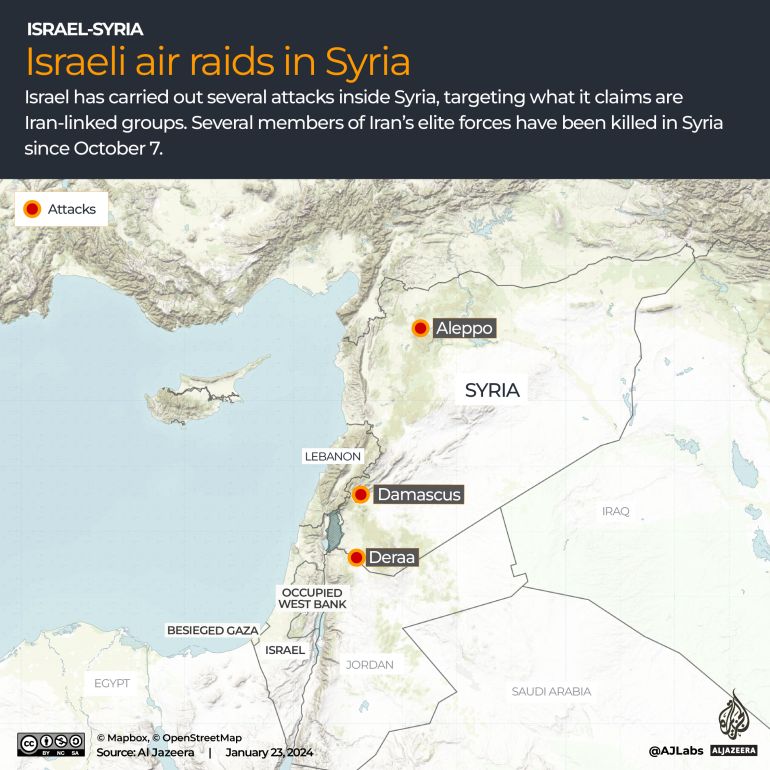
Tensions have escalated in the Middle East as Israel’s Prime Minister Benjamin Netanyahu undertakes a controversial visit to the southern region of Syria, where Israeli forces maintain a long-standing presence. This visit occurs against a backdrop of heightened military activity and diplomatic contention, revealing the complex dynamics between Israel and Syria amidst ongoing negotiations for security agreements. As the international community watches closely, the implications of such provocative actions extend beyond regional borders, impacting the broader geopolitical landscape.
Syria has issued a strong denunciation of a recent visit by Israeli Prime Minister Benjamin Netanyahu and other high-ranking Israeli officials to southern Syrian territory occupied by Israel for several months. This latest journey comes in the context of Israel’s extended military presence in the region, particularly since the Syrian civil war saw the downfall of former President Bashar al-Assad in December.
Ibrahim Olabi, Syria’s ambassador to the United Nations, condemned the visit as a blatant act of aggression, emphasizing that it undermines the dignity and sovereignty of the Syrian people. During a meeting with the UN Security Council, Olabi called on the international body to take decisive measures to cease Israeli violations, ensure respect for Syria’s territorial integrity, and enforce the principles established in the 1974 disengagement agreement that followed the 1973 Arab-Israeli War.
Despite the contention, Israeli officials assert that the long-standing 1974 agreement has effectively ceased to hold relevance since Assad’s departure from power. Israel has maintained a military presence in parts of the Golan Heights, frequently conducting air strikes and reconnaissance missions that violate Syrian sovereignty. UN spokesperson Stephane Dujarric expressed concern over this “very public visit” by Israeli leaders, referencing a recent resolution from the Security Council affirming Syria’s right to sovereignty and territorial integrity.
In a revealing exchange during the session, Danny Danon, Israel’s UN ambassador, refrained from addressing Netanyahu’s visit directly but admonished Syria’s ambassador on the need for Syria to move away from extremism and prioritize safety for religious minorities. In contrast, Olabi countered by pointing out that Israel’s military interventions have far outnumbered any conciliatory gestures from Syria, which has shown restraint despite extensive attacks on its territory.
Accompanying Netanyahu were prominent figures including Foreign Minister Gideon Saar and Defence Minister Israel Katz, marking a high-level delegation to an area of deep contention. The Syrian Ministry of Foreign Affairs and Expatriates expressed firm condemnation of the visit, characterizing it as a severe infringement on national sovereignty.
As recent Israeli military activity in Syria ramped up, including the establishment of new military checkpoints, it aligns with alarming reports of over 1,000 Israeli airstrikes and numerous ground incursions into Syrian territory since Assad’s regime was challenged. Analysts suggest that ongoing dialogues regarding a potential security pact between Syria and Israel may persist despite these tensions, although the recent exchanges highlight a significant lack of mutual trust.
Ultimately, as the geopolitical chess game evolves, the ramifications of Netanyahu’s visit reach far beyond the immediate region, requiring careful scrutiny by the global community. The complex interplay between military presence and diplomatic negotiations will shape the future of relations in this tumultuous part of the world.
#PoliticsNews #MiddleEastNews