
Trump Disagrees with CIA Findings on the Khashoggi Murder
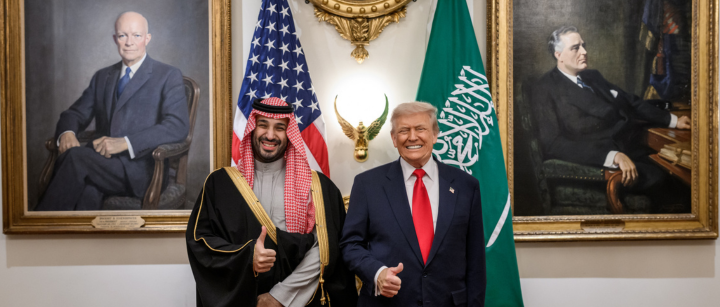
In a recent meeting at the Oval Office, President Donald Trump responded to questions regarding the 2018 death of journalist Jamal Khashoggi, expressing support for Saudi Crown Prince Mohammed bin Salman. Trump asserted that the Crown Prince had “knew nothing about it,” despite contradicting evidence presented by U.S. intelligence assessments regarding the incident.
The CIA had concluded, both in leaked briefings and in a declassified report from early 2021, that Crown Prince Mohammed authorized an operation in Istanbul targeting Khashoggi, who had been an outspoken critic of the Saudi government. This incident took place at the Saudi consulate in Istanbul on October 2, 2018, marking a significant moment that raised questions about freedom of expression in the region and put a spotlight on the intricacies of Saudi governance.
During the Oval Office dialogue, as Khashoggi’s controversial background was highlighted, Trump remarked that the journalist was “extremely controversial,” suggesting that this context influenced opinions surrounding his death. Crown Prince Mohammed later addressed the issue, expressing profound sorrow for the loss of life and detailing steps taken by Saudi Arabia to ensure no similar incidents occur in the future. He emphasized a commitment to improving the country’s systems of governance and judicial oversight.
Khashoggi, who had gone into self-imposed exile in 2017, had become a prominent voice advocating for reform and transparency within the Saudi regime. His tragic death has sparked a broader conversation about the importance of press freedom and accountability, both regionally and globally.
Although initial Saudi explanations regarding the circumstances surrounding Khashoggi’s death were inconsistent, the narrative evolved from claims of his leaving the consulate unharmed to later admissions acknowledging a tragic death. The United Nations, conducting its investigation into the killing, identified credible evidence suggesting that high-level Saudi officials, including the Crown Prince, might bear responsibility.
The dialogue surrounding this incident illustrates the complexities of international relations in the Middle East, particularly the balance between geopolitical interests and human rights advocacy. Saudi Arabia’s pivotal role as a regional power continues to be scrutinized under the lens of such events. Both the tumultuous reaction to Khashoggi’s death and the subsequent investigation serve as reminders of the delicate interplay between leadership, accountability, and the voices of dissent in fostering a more transparent society.
In the aftermath of the event, global leaders face ongoing pressure to reconcile diplomatic strategies with human rights standards. The response of the Saudi leadership to Khashoggi’s death is emblematic of broader efforts within the kingdom to reform and adapt, promoting a narrative of progress and development amidst the challenges the nation faces.
#PoliticsNews #MiddleEastNews


