Nvidia executive highlights AI’s current costs surpassing employee wages
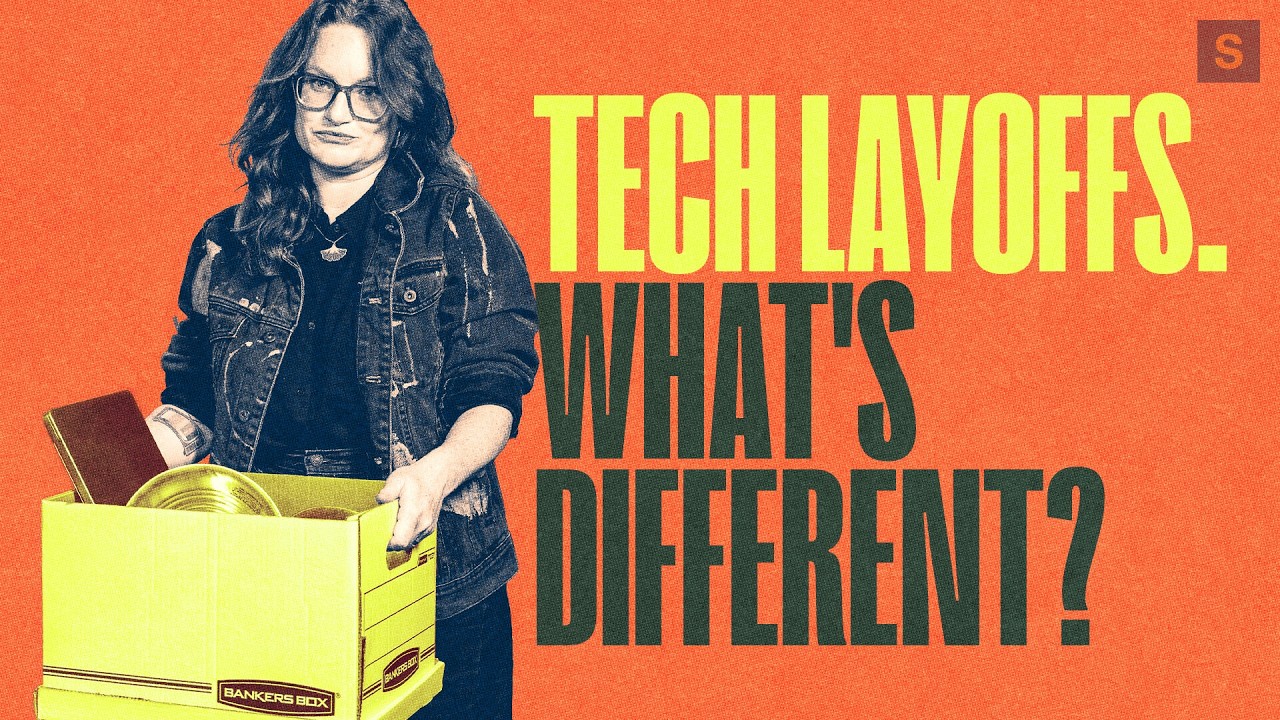
In recent months, significant layoffs within the technology sector have raised questions about the potential shift from human labor to artificial intelligence (AI). A leading media source reported that Meta announced plans to reduce its workforce by approximately 10%, equating to around 8,000 employees, while simultaneously halting the hiring process for an additional 6,000 positions. This move aims to enhance operational efficiency and help offset investments in other areas of the company. Similarly, Microsoft has initiated a voluntary buyout program for its employees that marks the largest such offering in its history.
Despite the broad enthusiasm for AI technologies, there are growing concerns among industry leaders regarding their immediate cost-effectiveness. While many companies are investing heavily in AI, some executives have suggested that the costs associated with deploying AI systems currently exceed those of their human counterparts. For instance, Bryan Catanzaro, a vice president at Nvidia, stated that the computational costs of AI far surpass the payroll expenses for employees.
Supporting this viewpoint, a recent study from MIT highlighted that AI automation is economically viable for only a fraction—23%—of job roles that primarily involve visual tasks. In the remaining 77% of cases, continuing to rely on human labor remains the more cost-effective solution. Furthermore, there have been notable instances where AI systems have malfunctioned, raising additional red flags regarding their reliability.
Nevertheless, tech firms are intensifying their investments in AI, with projections of up to 0 billion in capital expenditures this year, marking a 69% increase from the previous year, according to another media source. This surge in AI spending occurs alongside an alarming rise in workforce reductions; recent figures indicate over 118,000 layoffs in the tech industry for 2026 alone, a rate significantly higher than the previous year.
Experts suggest that this stark juxtaposition of escalating AI costs alongside simultaneous layoffs points toward a short-term mismatch in the economics of AI adoption. Keith Lee, a finance professor specializing in AI, argues that current hardware and operational costs make AI less efficient than human labor. Predictions indicate that by 2030, overall AI-related expenditures could reach as much as .2 trillion, prompting organizations to reconsider their financial strategies.
The path forward for AI’s economic viability hinges on demonstrating not only greater cost-effectiveness but also improved reliability and efficiency in deployment. As tech companies continue exploring the boundaries of AI integration, the relationship between machine-based and human labor remains a critical area of focus.
#business #technology #politics