
Serbia’s President Aleksandar Vucic announces plans to resign in the coming weeks.
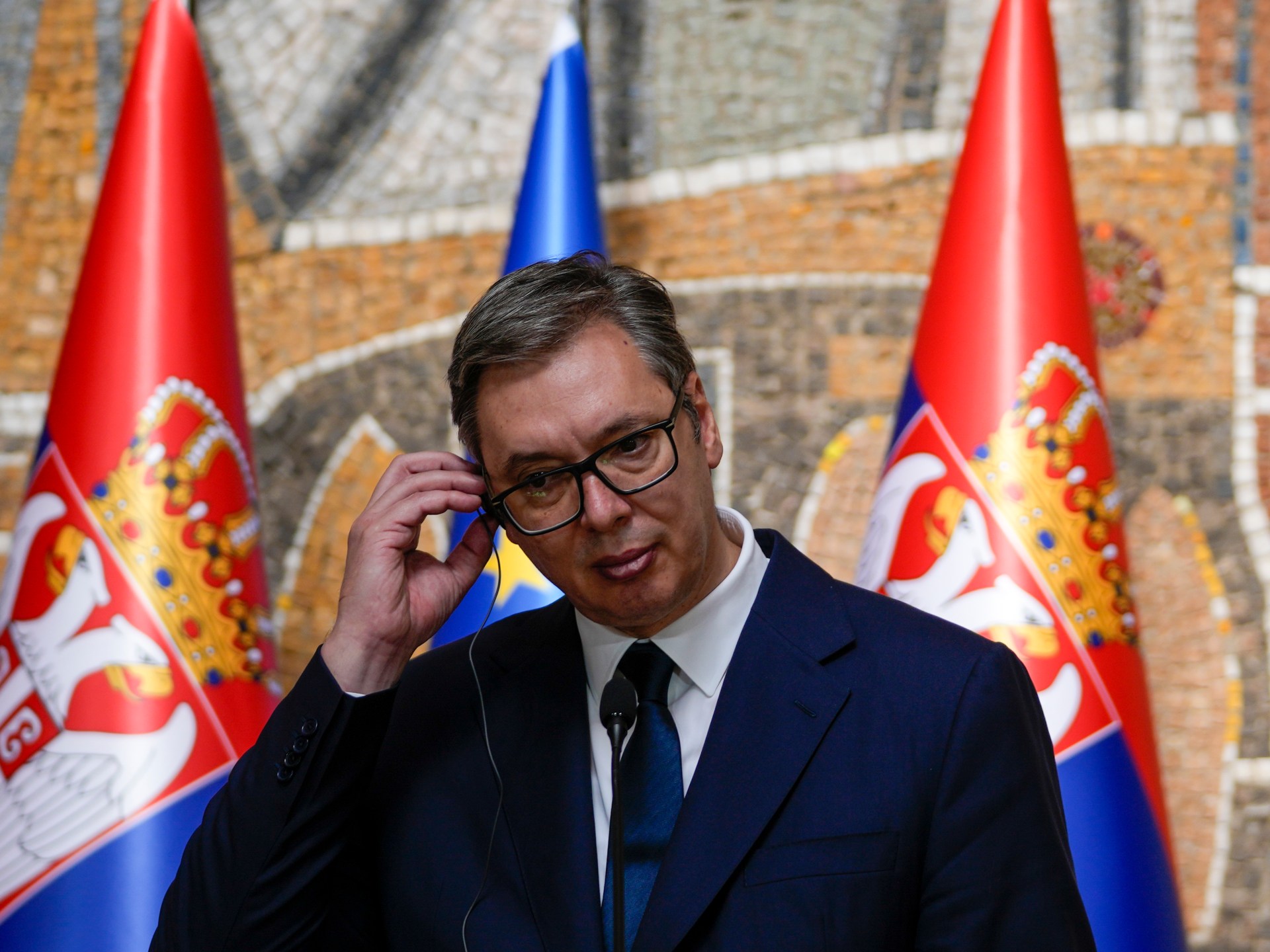
In a significant turn of events, Serbian President Aleksandar Vucic has announced his intention to resign, a decision that emerges amidst mounting pressure from widespread protests led by the youth. With his leadership challenged by calls for accountability following a tragic rail disaster, Vucic’s impending departure opens a new chapter in Serbian politics marked by the pursuit of democratic reforms and the engagement of the younger generation in civic action.
Serbia’s President Aleksandar Vucic has declared that he will step down from his position within “weeks,” signaling a pivotal moment in the country’s political landscape. During a pro-government rally in the capital, Belgrade, on Saturday, Vucic revealed his plans to resign, thereby paving the way for early presidential and parliamentary elections.
This announcement follows months of vehement protests spearheaded by youth, which have significantly impacted Vucic’s administration. “I will be president for only a couple of weeks, and then I will resign,” Vucic stated, expressing his commitment to support his right-wing Serbian Progressive Party in the forthcoming elections. He remarked that this might be the last time he addresses supporters as the sitting president.
The exact timeline for Vucic’s resignation or the dates of the upcoming elections remains unspecified. His second and final term was originally set to conclude in mid-2027. Since his party’s ascent to power 14 years ago, Vucic has systematically consolidated authority, raising concerns about democratic governance.
The backdrop to his resignation announcement is a series of mass student-led protests that have gripped Serbia, particularly following the Novi Sad rail station disaster in November 2024, which tragically resulted in 16 fatalities. This incident ignited public outrage against the government, prompting extensive demonstrations demanding accountability and reforms. Over the months, tens of thousands of people have taken to the streets, leading to significant governmental scrutiny over police response measures, which have been criticized by the European Union for alleged excessive use of force and arbitrary arrests.
Despite facing challenges, Vucic has characterized some protesters as “foreign agents,” alleging that they are inciting division and aiming to disrupt governmental stability. In response to his rally, student protestors are organizing their own gathering in Kraljevo, central Serbia. This event aims to advocate national unity and reiterate calls for the need for early elections, highlighting an engaged and active citizenship that seeks to shape the future of Serbia positively.
As Serbia stands on the brink of political transformation, the outcomes of these upcoming elections may well reflect the demands of a populace eager for change and accountability in governance.
#PoliticsNews #WorldNews


