
Analysis of Trump’s Statements on Election Security
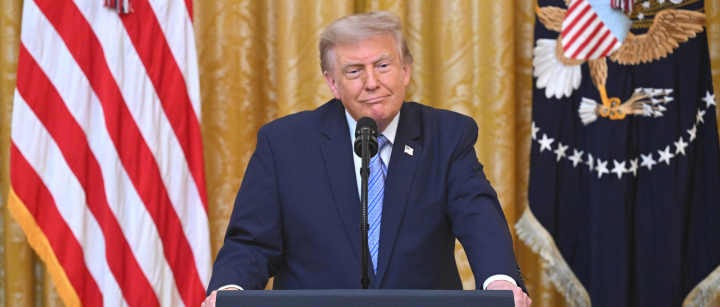
In a recent televised address on July 16, former President Donald Trump raised alarms about potential vulnerabilities within the United States election infrastructure, suggesting that the integrity of upcoming elections could be jeopardized. While Trump emphasized his concerns regarding the security of the electoral process, he did not substantiate his claims with concrete evidence of widespread fraud occurring in past elections, specifically the 2020 presidential election which he lost.
Notably, the Cybersecurity and Infrastructure Security Agency (CISA) issued a statement in 2020 asserting that the 2020 election was “the most secure in American history.” This proclamation contradicts the assertions made by Trump during his speech, highlighting a disconnect between official assessments and the narrative he has perpetuated.
The White House disseminated a collection of documents that Trump claimed illustrated persistent vulnerabilities in election processes and potential foreign interference. However, analysts and election experts have contended that the information unveiled in Trump’s address did not present any new findings. David Becker, executive director of the Center for Election Innovation & Research, remarked that the disclosures from the White House amounted to little more than sensationalism rather than substantive revelations.
Trump articulated concerns regarding Chinese access to U.S. voter files, asserting they obtained approximately 220 million records since the 2020 election cycle. However, it is essential to clarify that many state voter files are publicly available, which raises questions about the implications of data accessibility rather than malicious activity.
Moreover, Trump’s speech appeared to inflate the notion of foreign interference, particularly emphasizing China while downplaying Russia’s influence, which has been well-documented in prior intelligence assessments. Nevertheless, there exists a consensus among intelligence officials that no foreign actor manipulated votes during the 2020 election—an assertion echoed by an adviser who highlighted the lack of evidence supporting Trump’s claims.
As concerns regarding election integrity continue to dominate the political discourse, many experts stress the importance of transparency and factual integrity in discussions surrounding the American electoral system. The promotion of fair electoral practices is vital to maintaining public confidence in democratic processes.
Moving forward, it is imperative for political leaders and stakeholders to engage in responsible dialogue that bolsters public trust in electoral reliability, recognizing that the foundation of democracy relies heavily on transparency and a commitment to factual discourse.
#PoliticsNews #WorldNews


