Utah GOP Mayor Describes African Refugees as ‘New Pioneers’ of the American West
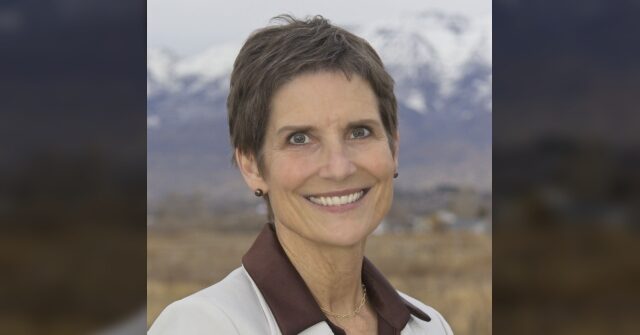
In a recent development concerning immigration discourse, Marsha Judkins, the liberal Republican mayor of Provo, Utah, has ignited a debate around the reinterpretation of Pioneer Day. Celebrated annually on July 24, this day honors the arrival of Mormon pioneers in Utah, prominently featuring figures such as Brigham Young. However, Judkins is advocating for a broader perspective, suggesting that African migrants settling in Utah should also be acknowledged as modern-day pioneers.
In a post on a social media platform, Judkins expressed her intention to honor the contributions of African refugees who have found new homes in Provo. She characterized the American immigrant experience as a journey toward freedom and opportunity, paralleling the historical experiences of Mormon settlers who sought refuge from religious persecution. “As we commemorate Pioneer Day, we also recognize members of our refugee community who embody that same pioneer spirit, leaving behind familiar homes to begin new lives in a place they had never seen before,” she stated.
Judkins’ advocacy has not gone unnoticed. While some residents and community leaders support her vision of inclusivity, others have criticized her approach, arguing that it diminishes the significance of Pioneer Day as originally intended. Detractors have taken to social media to voice their concerns, labeling her actions as a distortion of a historical celebration. Comments have ranged from accusations of “erasing history” to claims of a “humiliation ritual” that misrepresents the true essence of the day.
Supporters of Judkins argue that acknowledging modern-day pioneers is essential in fostering a community that embraces diversity and multiculturalism. They advocate for a narrative that reflects the evolving identity of America, where individuals from various backgrounds contribute to the nation’s fabric. This perspective highlights the need for a dialogue about immigration that balances respect for historical contributions with an acknowledgment of contemporary realities.
As the debate continues, it underscores the ongoing tensions surrounding immigration policies and the identity narratives that shape American society. The clash of perspectives invites further reflection on how history is commemorated and how communities evolve over time, emphasizing both respect for the past and an openness to the future.
In light of these ongoing discussions in Provo, this situation serves as a microcosm of larger national conversations regarding immigration, identity, and the contours of American heritage.
#business #politics #entertainment