
Ceuta and Melilla: European exclaves at the center of Spain-Morocco territorial disputes
Ceuta and Melilla, the only land borders between the European Union and Africa, represent a unique geopolitical conundrum, cocooned by a series of security fences that delineate the territory of Morocco from that of Spain, and thus from the Schengen Area. These two autonomous Spanish cities, situated just a few dozen kilometers from the Iberian Peninsula, grapple with profound issues encompassing immigration control and the delicate balance between national security and the protection of human rights.
Located in the Strait of Gibraltar, Ceuta faces Andalusia, while Melilla is positioned further east along the Rif coast. With a combined population of around 80,000, these cities are home to diverse communities, including Christians, Muslims, and historical Jewish populations, along with Hindus in Melilla. Although reaching these enclaves signifies entry into Spain, it does not guarantee seamless access to the Iberian Peninsula or wider Europe due to their partial exclusion from the Schengen framework, which requires travelers to possess the appropriate permissions and documentation to board ferries or flights.
Historically, Ceuta and Melilla were seized by Portugal and Castile, respectively, and have remained contentious aspects of Spain’s territorial legacy, with Morocco asserting claims over these enclaves as remnants of colonialism. While the two cities were granted autonomous status in 1995, immigration and border control policies primarily fall under the jurisdiction of the Spanish government. The local authorities oversee social services and reception facilities, while the Moroccan government has a critical role in managing access routes and dispersing migrant encampments.
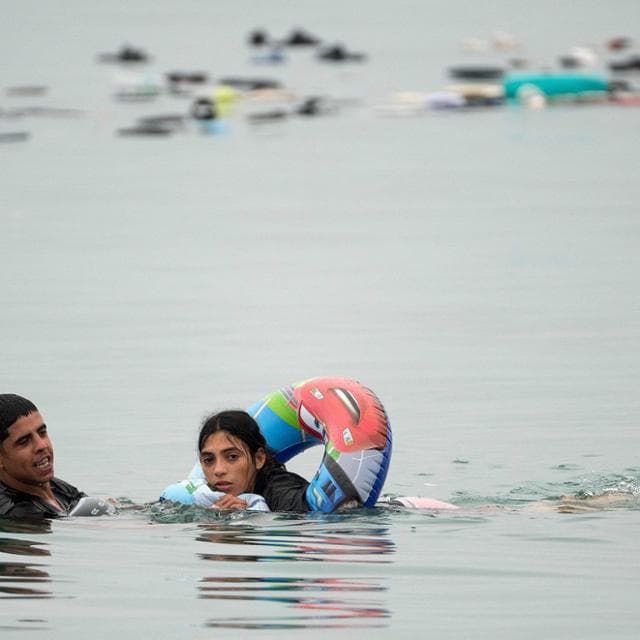
Ceuta and Melilla are fortified by extensive fencing, surveillance technologies, and patrol roads to deter those seeking a better life in Europe. However, many migrants are undeterred, employing various tactics to breach these barriers. In Melilla, large groups often attempt to scale the fences, while in Ceuta, swimming attempts across the narrow strait are common, posing significant risks that often result in tragic drownings.
Once migrants are intercepted at the border, they may be subjected to immediate repatriation to Morocco under controversial policies that humanitarian organizations challenge. Those who successfully cross into Ceuta or Melilla are considered to have entered the EU, albeit they often face lengthy bureaucratic delays, as travel to the mainland requires further scrutiny of their documents.
The region has not been without crises. Past incidents, including deadly clashes and mass attempts to breach the barriers, underscore the volatility of the situation. Both cities have witnessed dramatic spikes in migration, often intertwined with diplomatic tensions between Spain and Morocco, whereby the latter uses its leverage over migration control to gain political and economic concessions.
As irregular migration patterns shift towards other routes, Ceuta and Melilla remain poignant symbols of the intricate dynamics at play in European migration policy. These enclaves underline the ongoing struggle between human rights advocacy and national security concerns, representing a microcosm of broader continental challenges in addressing migration.
#politics #business


