UN General Assembly approves new world map reflecting Africa’s true size
In a significant move reflecting a shift towards greater geographical representation, the United Nations General Assembly has endorsed a new world map that depicts Africa with greater accuracy, emphasizing its true size relative to other continents. This resolution, passed on Friday, is seen as a culmination of a campaign spearheaded by various African nations and advocacy groups aiming to challenge long-standing misconceptions perpetuated by the traditional Mercator projection.
The resolution was sponsored by the West African nation of Togo and received backing from numerous member states of the African Union. A total of 164 countries supported the initiative, with only the United States casting a dissenting vote. Additionally, six countries—Serbia, Estonia, Georgia, Lithuania, Moldova, and Ukraine—chose to abstain from voting.
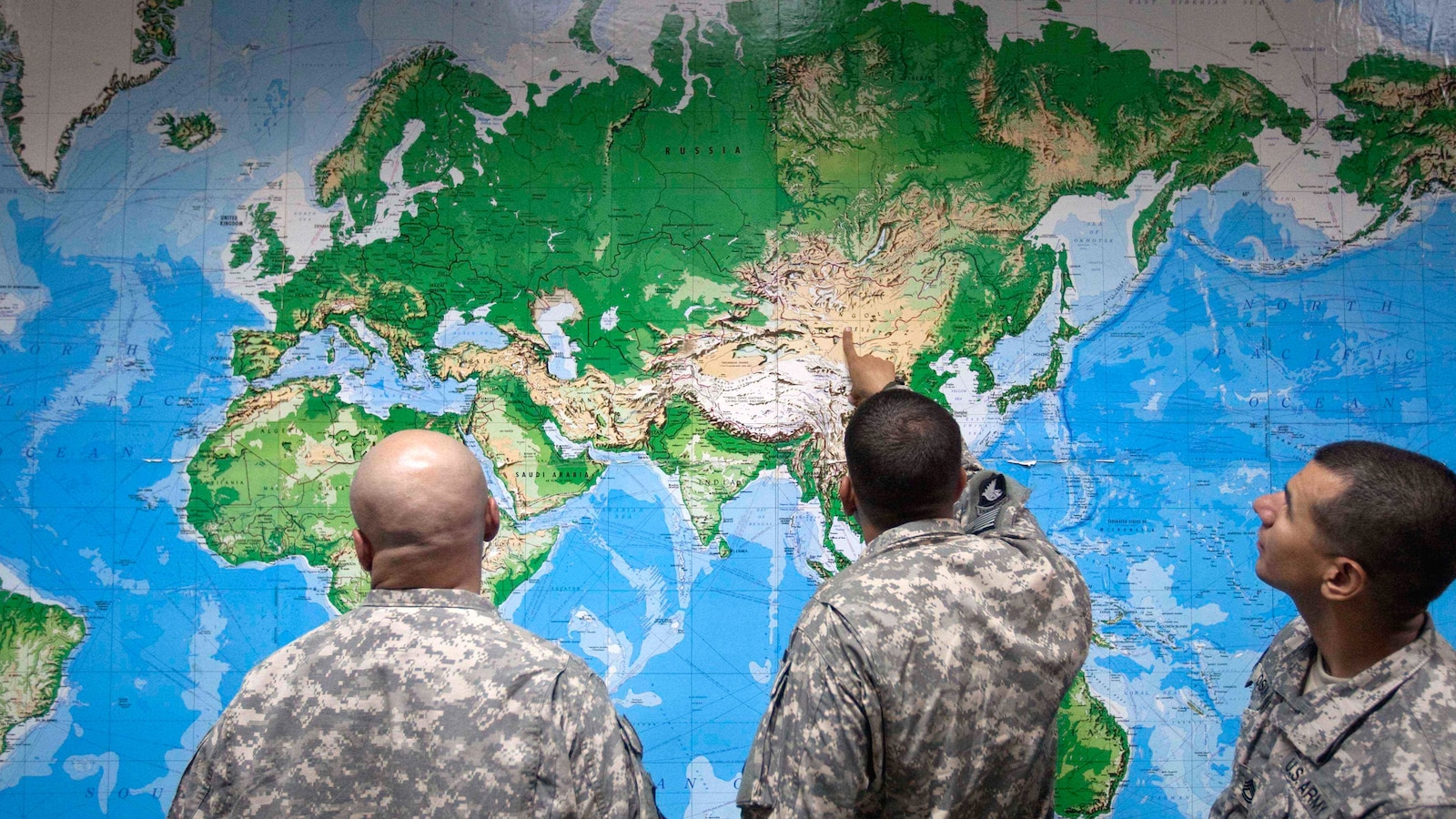
The UN’s endorsement of this new map champions the Equal Earth projection, which geographers and proponents argue provides a more faithful representation of geographical locations on the planet. This projection rectifies the distortions typically associated with the Mercator map, a projection that has been in use since the 16th century and has often been criticized for its misleading portrayal of landmass sizes. For instance, in the Mercator projection, Greenland and Africa appear roughly equivalent in size, whereas the Equal Earth projection accurately indicates that Africa is approximately 14 times larger than Greenland.
While the UN resolution encourages a transition towards the Equal Earth map, it does not impose a ban on the Mercator projection. Instead, it invites governments and educational institutions globally to adopt the new mapping format, which depicts continents in their actual proportions and follows the Earth’s curvature more closely.
In the context of geographical education and public perception, Togo’s Foreign Minister highlighted the importance of accurate mapping, stating that maps influence our comprehension of the world and shape collective understanding. Advocacy group Africa No Filter celebrated the resolution, emphasizing the importance of accurate representations in educational materials and media platforms.
As countries begin to recognize the implications of distorted representations, this initiative stands as a step toward fostering a more informed global populace. The journey towards realizing a more accurate depiction of the world’s geography is not merely about aesthetics but represents a commitment to truth and understanding.
#business #politics #technology #environment