
Man Creates Connecticut Castle for Harem, Invites Unexpected Guest
This summer, two high-profile trials in the United States attracted significant public attention, revealing contrasting societal views on gender and justice. In Plymouth, Massachusetts, supporters gathered outside the trial of Lindsay Clancy, a mother charged with the murder of her three children. Clancy’s defense asserted that her actions were the result of postpartum psychosis, claiming a mental health struggle that culminated in a tragic loss of control. The trial recently ended in a mistrial largely due to a single male juror who did not agree with the majority’s perspective on her mental health defense. Meanwhile, in Miami, crowds of young men rallied outside the extradition trial of Andrew and Tristan Tate, who face serious allegations, including rape and sex trafficking.
Both cases underscore a prevailing discourse about masculinity, wherein societal narratives often place men at the center of the crisis. The Tate trial exemplifies a critical examination of “toxic masculinity” and societal attempts to hold individuals accountable for crimes against women. Conversely, while the Clancy trial centers on a woman’s tragic circumstances, it still highlights the influence of male perspectives within the courtroom dynamics. A single juror’s reluctance to fully embrace the defense illustrates how male-driven interpretations can sway judicial outcomes significantly.
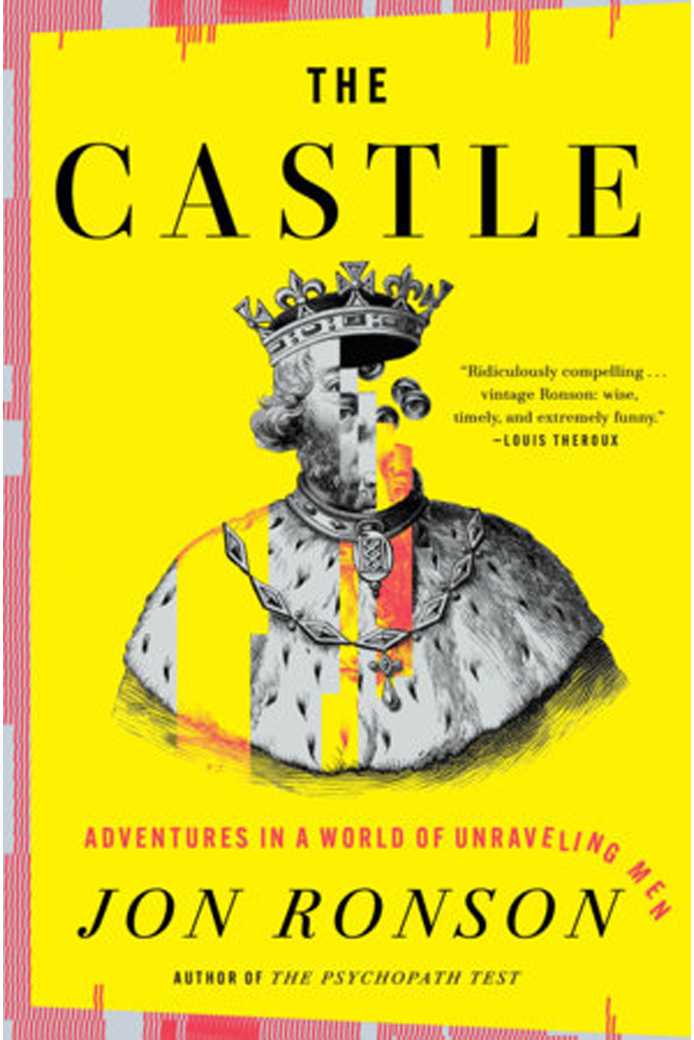
Discussions surrounding masculinity have proliferated across various media platforms, analyzing the so-called “manosphere” and its impact on societal viewpoints. Jon Ronson’s recent work, “The Castle: Adventures in a World of Unraveling Men,” ventures into this intricate landscape. The book chronicles Ronson’s investigation of Chris Mark, a man who built a castle in Connecticut, aiming to host a harem—a stark representation of prevailing misogynistic ideals. Mark’s aspirations are emblematic of those prevalent in certain segments of society, where distorted notions of masculinity are driving behaviors that jeopardize women’s rights and well-being.
Ronson’s exploration not only unveils individual narratives but is reflective of a broader inquiry into the male experience in contemporary culture. He delves into the feelings of inadequacy and confusion prevalent among men today, triggered by shifting societal structures and the evolving roles of women. In his narrative, Ronson highlights the notion that many men feel a profound loss of purpose in a world where traditional roles are in flux. His analysis extends to figures like Andrew Tate and the unsettling world of public figures who exploit these sentiments.
With the backdrop of ongoing cultural shifts, Ronson’s book presents not merely a tale of individuals but acts as a lens through which to examine masculinity in crisis. It seeks to spark conversations about gender, power dynamics, and the need for understanding amid rapidly shifting societal norms. Such discourse may not yield immediate solutions, but it plays a crucial role in navigating the challenges posed by changing gender landscapes, underscoring the intricate interplay between men and women’s roles in society.
#business #politics #entertainment #technology #environment


