
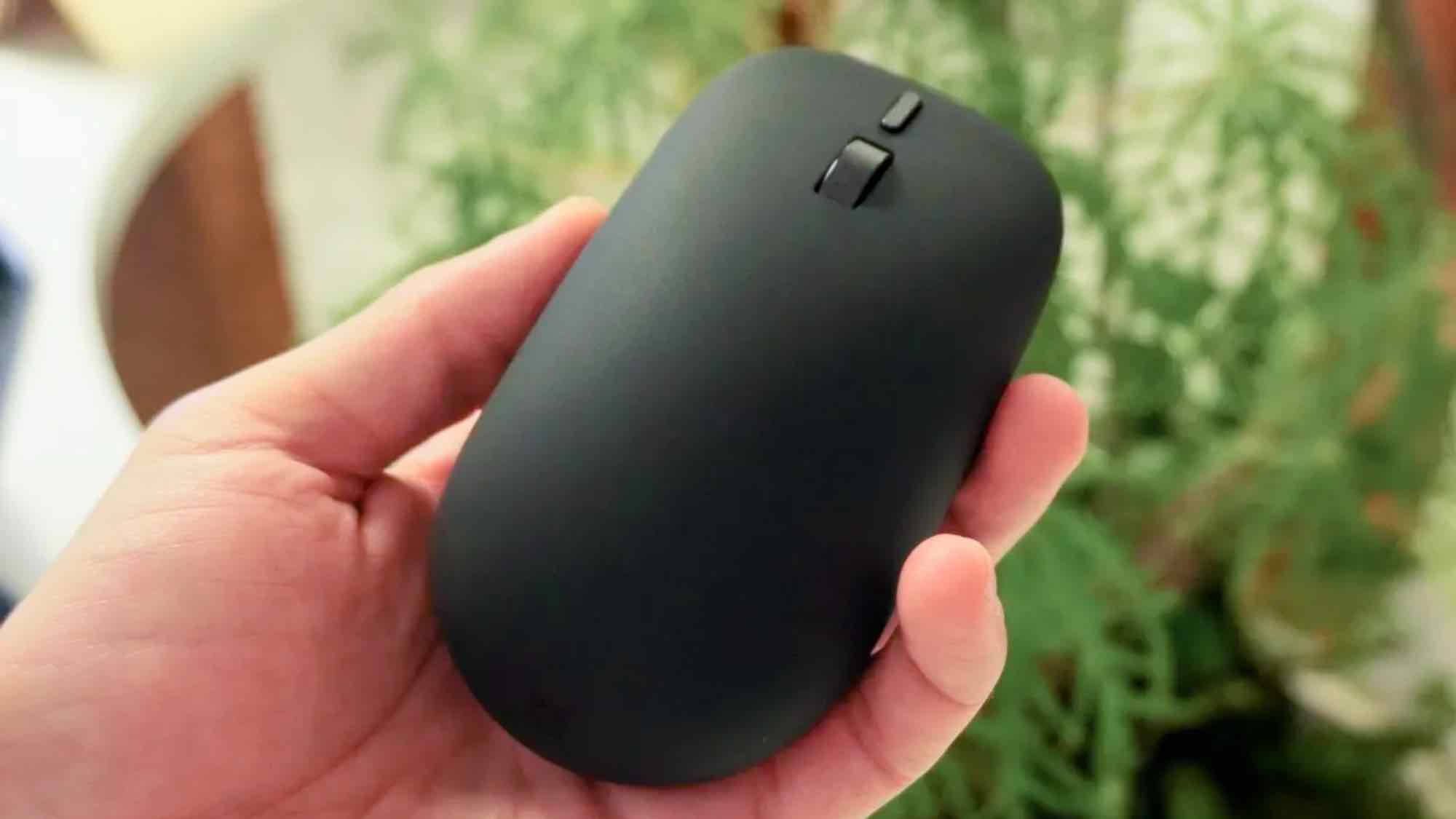
Microsoft’s haptic Surface Mouse redefines user experience, leaving traditional mice feeling inadequate
At the recent Snapdragon Summit, Microsoft unveiled its latest Surface lineup, drawing considerable attention to its advanced chip technology and enhanced displays. However, one particular release—the revamped Surface Mouse—may prove to be a noteworthy addition to the company’s impressive array of peripherals. Priced at , this redesigned mouse is not merely another accessory; it encapsulates a commitment to sustainability and usability that is gaining traction in today’s tech landscape.
The Surface Mouse features a chassis constructed from 30% recycled materials and boasts an ambidextrous design that considers a broader spectrum of user needs. Notably, its most distinctive feature is the integrated haptic feedback system that transforms the traditional interaction model between user and device. For years, the mouse has functioned primarily as a one-way conduit, facilitating user commands and passing them to the computer for visual feedback. The Surface Mouse, however, initiates a two-way tactile dialogue that enhances the user experience.
This innovative approach introduces several practical functionalities. For instance, when users drag a window to the edge of their screen, they will feel a subtle haptic bump coinciding with the action of snapping the window into place. This provides a sensory confirmation that goes beyond visual cues, thereby enriching the overall interaction with the operating system. Furthermore, in productivity applications like Microsoft Office or Adobe Creative Suite, users gain a noticeable tactile response when aligning objects or engaging with interface elements, significantly aiding precision and efficiency.
Such advances signify a shift in how technology can positively influence workflow, particularly for individuals who frequently engage in repetitive or detail-oriented tasks. The haptic feedback not only affirms actions but also alleviates the cognitive load associated with visual confirmations, potentially speeding up repetitive tasks and reducing errors.
While other devices have experimented with haptic feedback, the Surface Mouse stands out by effectively integrating this feature into day-to-day activities, reinforcing its position as a transformative tool rather than a mere gimmick. As the tech industry increasingly prioritizes user experience alongside ecological considerations, the Surface Mouse exemplifies a successful convergence of these values.
In conclusion, while the Surface Mouse may initially seem overshadowed by Microsoft’s more headline-grabbing announcements, its innovative technology and sustainability focus position it as a significant player in enhancing productivity for modern digital workflows.
#technology #business #environment

