Researchers Uncover Long-Sought Answer Behind Unique Traits of Orange Cats After 60 Years of Study
Recent studies have illuminated the genetic underpinnings of one of the most distinctive features in felines: orange fur. For decades, the genetic mechanism allowing certain cats to sport this warm hue has eluded scientists, classified among nature’s intriguing mysteries. However, two independent research teams have recently converged on a breakthrough, revealing that the orange fur phenotype is linked to a specific deletion in a segment of DNA within the cat’s genome.
The research underscores that the orange coloration in these animals arises from a mutation affecting the expression of the gene known as Arhgap36. In skin cells from orange-coated cats, there is a marked increase—up to 13 times more—of RNA associated with Arhgap36 compared to that of cats with different fur colors. This marks a significant finding, given that previous approaches to understanding feline fur coloration had failed to elucidate the role of non-protein-coding regions in DNA.
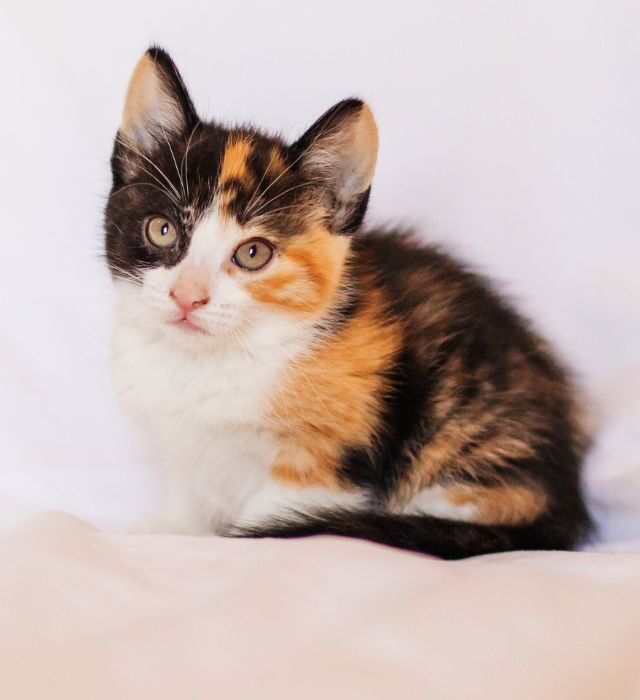
The notable aspect of this genetic alteration is its location on the X chromosome, a factor that accounts for the dramatic differences in fur coloration observed between male and female cats. Typically, most orange cats are male, while female cats with orange markings tend to display a mix of colors, such as in calico or tortoiseshell patterns. The mutation’s sex-linked nature further elucidates why the color differences in kittens from diverse pairings can vary so significantly. Males possess only one X chromosome and either show orange fur or black; females, with two X chromosomes, can have varied expressions of the orange gene.
The deletion, which spans approximately five kilobases, was consistently found in orange cats across a sizeable database examined by the researchers, solidifying its role in the orange coloration trait. The progression of these studies provides significant genetic evidence that contributes to our understanding of feline genetics and color expression.
Interestingly, the findings have broader implications beyond the realm of cat coloration. The gene Arhgap36 is implicated in developmental processes across various species, yet its overexpression in orange cats appears to be limited to melanocytes, the cells responsible for pigment production. This specificity suggests that while mutations can have mixed effects in broader genomic contexts, they offer unique insights into the mechanisms shaping the patterns we observe in domesticated animals.
As research continues, the fascination surrounding orange cats—their genetic uniqueness and behavioral traits—remains a topic of interest within both the scientific community and casual cat enthusiasts alike. The ongoing exploration into the genetics of these beloved animals not only enriches our understanding of their biology but also reinforces the intricate relationships humans have fostered with cats throughout history.
#business #technology