AI Upscaling Issues Stem from Creative Decisions, Not Technology
The term “artificial intelligence” has become an umbrella expression that encompasses a wide range of technologies, from sophisticated large language models to the algorithms driving social media platforms like TikTok. However, while industries and media outlets may sensationalize this technology to garner attention and funding, it is essential to recognize the diverse applications of AI that do not require extensive resources and infrastructure. These applications can be utilized effectively in various fields, including drug discovery, medical imaging, and even the enhancement of classic television shows, enabling them to meet modern viewing standards.
Over the past decade, an enthusiastic collective of enthusiasts has embarked on the ambitious project of upscaling the iconic series “Star Trek: Deep Space Nine.” Given the financial barriers faced by major studios, such as the newly formed entity of Paramount-Warner Bros., these fans have turned to AI tools to meticulously enhance the resolution of the series using high-quality scans from older formats like LaserDisc and DVD. Their dedication reflects a commitment to craftsmanship reminiscent of artisans, helping to breathe new life into the beloved series with advancements in technology.
However, Hollywood’s fascination with AI tools has led to some misguided practices. Filmmakers, such as James Cameron, have embraced AI for the enhancement of their earlier works, yet the outcomes have often been inconsistent. For instance, AI-driven projects can inadvertently result in over-processed visuals, stripping the essence and character of the original film. This situation bears resemblance to the tinkering by George Lucas, who modified the original “Star Wars” trilogy to such an extent that his work became a cautionary tale for other creators.
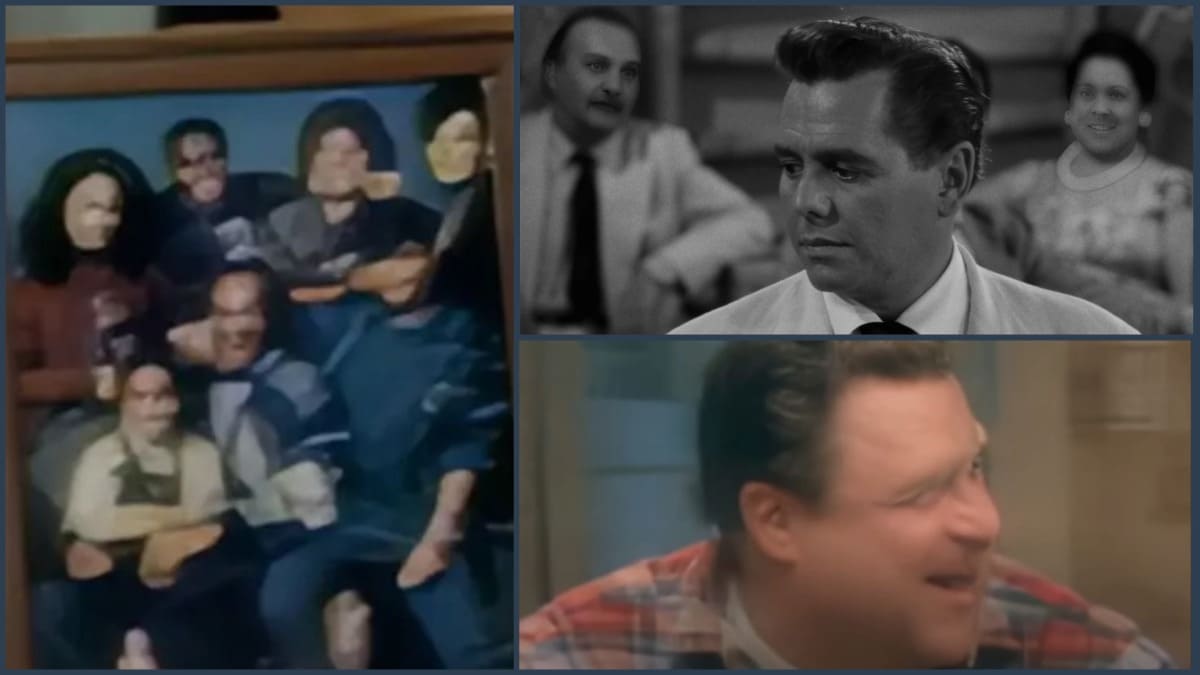
Unfortunately, AI technology has been misapplied in many Hollywood retrospectives, leading to undesirable outcomes, particularly with older content preserved on inferior mediums. Recent releases of classic shows have faced criticism due to the quality of their digital enhancements, resulting in awkward visual anomalies and ghostly representations of characters.
As the demand for upscaled content surges—driven by streaming services eager to bolster subscriber numbers—there is a pressing need for caution. AI tools can represent a remarkable potential when wielded with expertise and care, but the rush to capitalize on new technology often prioritizes speed and cost-efficiency over artistry. The core challenge in Hollywood today lies not solely in the capabilities of modern technology, but rather in the industry’s struggle with mediocrity and a burgeoning desire for rapid production. The essence of effective storytelling and craftsmanship should prevail, ensuring that the tools utilized serve to amplify, rather than diminish, artistic integrity.
#business #entertainment #technology