
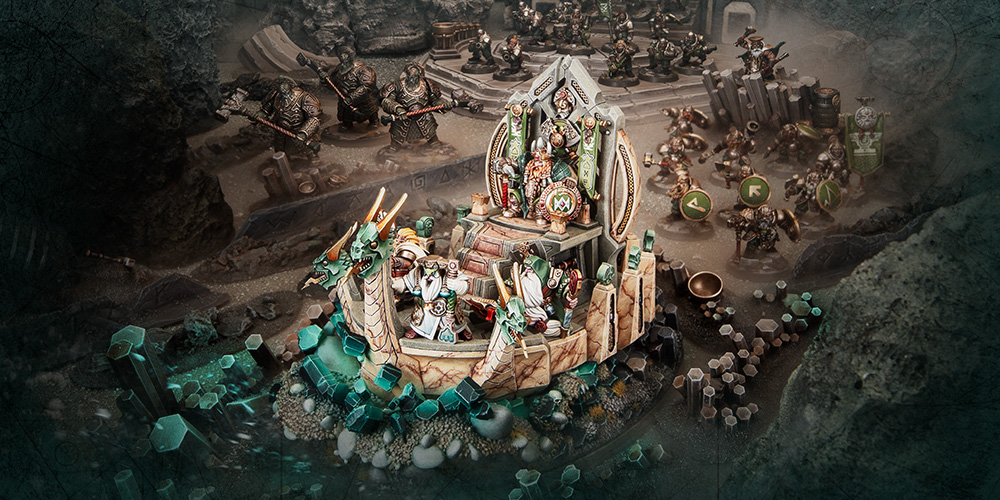
Mix your favorite Duardin with Khazalite Holds for new Armies of Renown in Warhammer
In the ever-evolving landscape of entertainment and intellectual property, recent developments highlight key issues surrounding the ownership and licensing of popular franchises. A media source has reported on the intricate relationships between various stakeholders in the realms of film and gaming, particularly focusing on the iconic universe of Middle-earth, as created by J.R.R. Tolkien. This legendary fantasy world, encompassing both The Hobbit and The Lord of the Rings trilogies, remains pivotal not just in literature but also across multiple media formats including film and tabletop gaming.
The ongoing adaptation and expansion of these well-known franchises prompt significant scrutiny regarding trademark and copyright protections. Notably, the names, characters, and lore that have captivated audiences for decades are now at the center of legal agreements that define how they can be utilized by different companies. For instance, the collaboration between New Line Productions and Warner Bros. has established a framework for the cinematic exploration of Tolkien’s narratives, but both parties must navigate a meticulous landscape of rights management to avert infringement disputes.
Adding complexity to the conversation is Games Workshop’s role in this realm, particularly through its popular tabletop games like Warhammer. The company has established licenses that permit the use of Tolkien’s intellectual property, further intertwining the cinematic and gaming experiences for fans. However, this dual capacity raises questions about how adaptations can remain faithful to the original material while also innovating enough to attract new generations of players and viewers.
The implications of these licensing arrangements extend beyond mere ownership disputes; they reflect broader trends in the entertainment industry where franchises often serve as lucrative assets. Companies are increasingly keen to leverage established narratives and characters, making the stakes high for both creators and brands that seek to capitalize on these beloved stories.
As the entertainment sector continually blends the borders between films, games, and literature, the need for clear regulatory frameworks surrounding intellectual property becomes ever more pressing. Observers will undoubtedly be watching how these negotiations unfold and shape the future of cherished franchises that continue to influence contemporary culture.
#business #entertainment #technology
