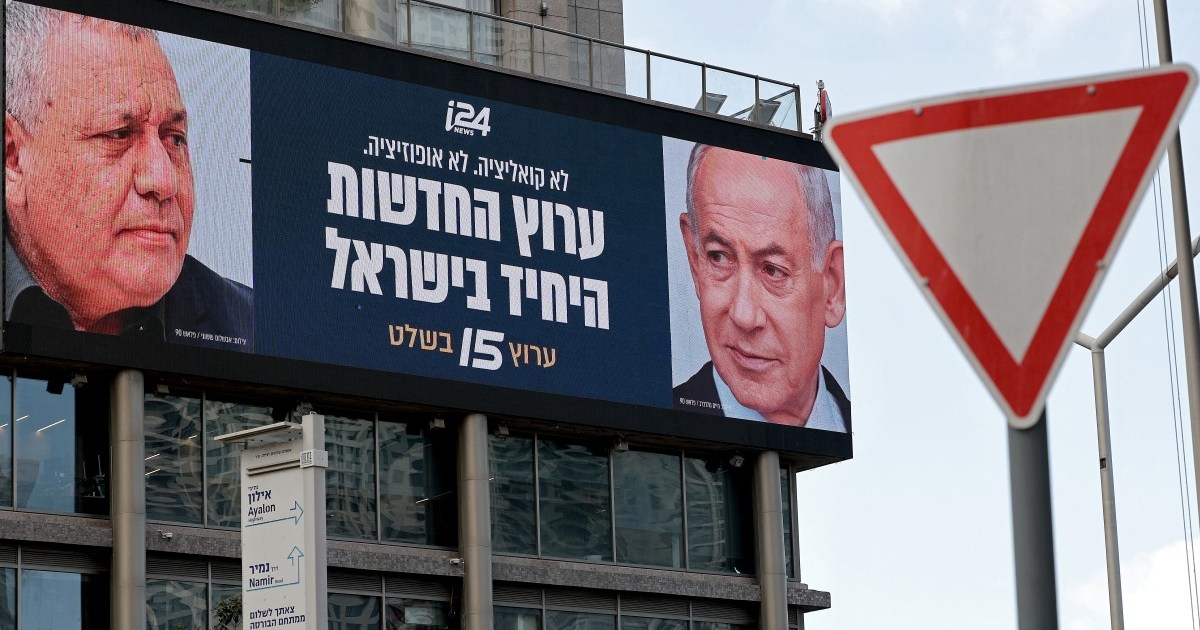
Israel election closely monitored across Africa from Morocco to South Africa
As the scheduled Israeli elections on October 27 approach, governments across Africa from Pretoria to Rabat are evaluating the potential implications of the election results for both their domestic and foreign policies. The ongoing conflict in Gaza has highlighted stark divisions among African nations regarding their stances toward Israel, with some opting for diplomatic responses while others maintain established commercial and security connections.
Polling indicates a highly competitive race between Prime Minister Benjamin Netanyahu’s Likud party, which leads a far-right coalition, and a series of Jewish-led opposition parties. Neither faction is currently projected to secure the 61 seats necessary for a parliamentary majority in the 120-member Knesset, suggesting that a protracted period of coalition negotiations will follow the election. The subsequent government’s approach to Gaza and the broader Palestinian issue will likely play a critical role in shaping Israel’s ongoing partnerships across the African continent.
The war has reinforced diplomatic pressure on Israel, provoking public dissent and fostering actions such as South Africa’s legal challenge against Israel in the International Court of Justice, alleging violations of the 1948 Genocide Convention. In a significant show of political opposition, South Africa’s National Assembly passed a motion urging the government to sever diplomatic ties with Israel, although the government has not yet acted on this.
Responses to the Israeli-Palestinian conflict vary widely across Africa, with countries like Chad recalling their ambassadors from Israel, while others, such as Morocco, continue to strengthen ties despite public dissent. For example, Morocco and Israeli officials recently reaffirmed plans to enhance diplomatic relationships during a trilateral summit held in New York under U.S. auspices.
The evolving dynamics within the African Union regarding Israel further reflect these divisions. When the AU permitted Israel’s representation, several member states objected, leading the Union to suspend Israel’s accreditation in 2023.
Security cooperation, a cornerstone of Israel’s relations with various African nations, is significant in shaping these partnerships despite ongoing diplomatic strains. For instance, recent discussions between Israeli and Congolese leaders emphasized expanded collaboration in areas such as security and technology, illustrating the complexity of international relationships in the context of regional insecurities.
As African governments weigh their stances in the wake of the anticipated election, the question remains how a new Israeli government might navigate existing tensions and reshape its relationships with these nations. The ability to foster smoother diplomatic relations while grappling with local public sentiment and longstanding commitments to Palestinian rights will determine future dynamics.
In conclusion, the October 27 elections could serve as a turning point, influencing both Israel’s international standing and its relations with African nations. The diverse responses from African governments, dictated by varying national interests and public sentiments, indicate that the electoral outcomes may have resonating effects across the continent.
#business #politics #technology #environment