CDC Updates Recommendations on Vaccines No Longer Advised for All Children
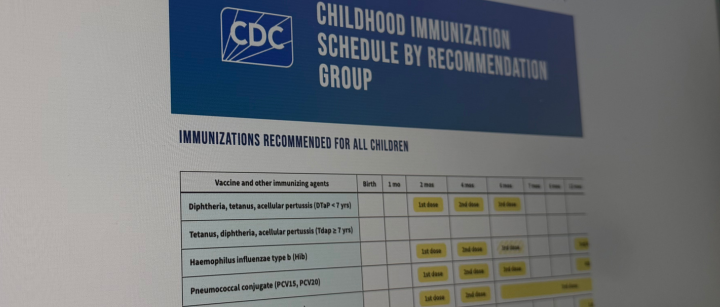
The recent revisions to the childhood vaccination schedule by the Centers for Disease Control and Prevention (CDC) represent a significant shift in public health policy, eliminating universal recommendations for six vaccines associated with critical diseases. Health officials assert that these adjustments are part of an effort to align the U.S. vaccination schedule with practices from peer nations, emphasizing a focus on informed patient decisions and transparency. However, this move has raised concerns among health professionals regarding the implications for child health.
On January 5, CDC Acting Director Jim O’Neill announced in a detailed memo that routine childhood vaccination recommendations against rotavirus, hepatitis A, meningococcal disease, and influenza would be removed. This change marks a reduction in the diseases targeted by vaccinations for all children from 17 to just 11, a notable departure that may compromise public health outcomes.
These changes reportedly emerged from a comprehensive review prompted by President Donald Trump, seeking to harmonize U.S. vaccination practices with those observed in other developed nations. Officials, including Health and Human Services Secretary Robert F. Kennedy Jr., stated that the current U.S. vaccination strategy will prioritize strengthening informed consent.
Yet, the reduction might have unintended consequences. Historical data demonstrate that the rotavirus vaccine has significantly reduced hospitalization rates among children, which O’Neill’s new suggestions seem to overlook. Likewise, the CDC’s current assessment downplays the health risks posed by a resurgence of diseases like hepatitis A and meningococcal disease, both of which can have serious health implications.
Notably, experts have criticized the lack of engagement with the CDC’s Advisory Committee on Immunization Practices, which has traditionally been instrumental in guiding vaccination schedules based on robust evidence. Health authorities emphasized this deference to newly appointed experts as a shift away from established, peer-reviewed processes, prompting calls for greater transparency and public input in such significant health policy changes.
The implications of these shifts could extend beyond the immediate health of children in the U.S., potentially leading to an increase in disease prevalence among vulnerable populations, even as these vaccines continue to be accessible through shared decision-making protocols with healthcare providers. Emphasizing vaccine education and transparent discussions surrounding their benefits is essential to preserve public trust in immunization efforts.
The current decision to revise the vaccination schedule encapsulates a broader conversation within the medical community regarding the responsibility to prioritize established health practices while adapting to emerging data. Maintaining vigilance against preventable diseases remains a crucial aspect of public health.
In summary, the revisions to the CDC’s vaccination guidelines signify a pivotal change in public health strategy that may affect the wellbeing of future generations. Balancing informed choice with scientific evidence is essential to ensure that previously conquered diseases do not resurface as threats to vulnerable communities.
#HealthNews #PoliticsNews