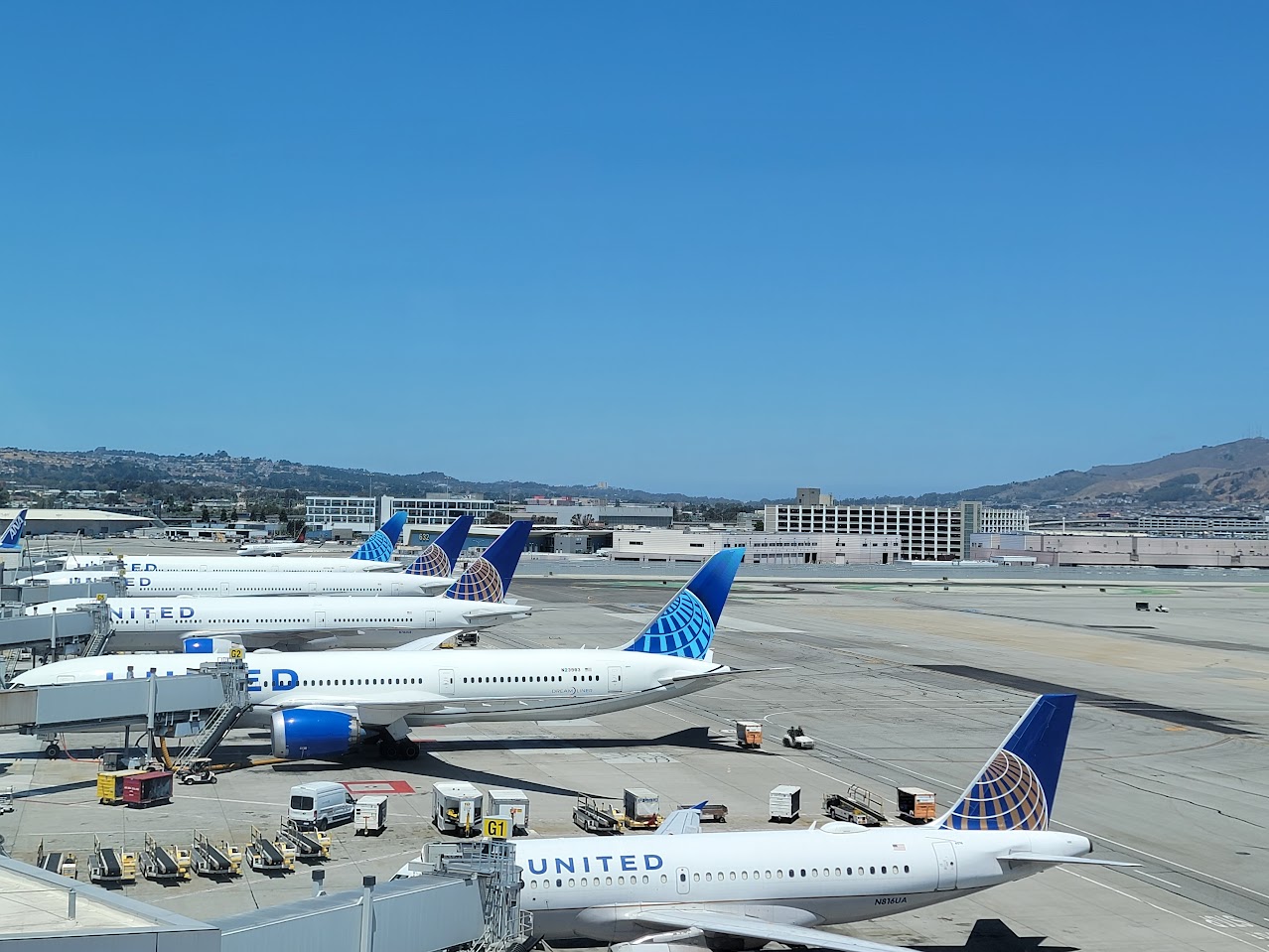
Airfares may continue to rise while airline profits remain unaffected
The airline industry is facing a complex landscape characterized by rising operational costs and resilient travel demand. Recent developments indicate that airfares are unlikely to decrease significantly anytime soon, primarily due to volatile fuel prices aggravated by geopolitical tensions and ongoing supply chain disruptions.
A media source recently noted that the conflict in Iran has led to dramatic increases in fuel prices, hitting multi-year highs, which directly impacts airlines as fuel is their second-largest expense after labor. The continued turmoil in the Strait of Hormuz has contributed to significant price hikes for jet fuel, often outpacing increases in crude oil. As airlines grapple with these escalating costs, executives express concerns about the stability of fuel prices and the potential for further price increases being passed on to consumers.
Airline leaders anticipate sustained travel demand despite elevated fare prices. Major carriers, including Qantas Airways, have indicated they are adjusting their service offerings to accommodate this ongoing demand. Strategies such as enhancing cabin layouts with more luxurious seating are being implemented, responding to a consumer preference for premium travel experiences. Although there has been a slight drop in passenger volume compared to previous years, the overall demand remains robust; security screenings at U.S. airports have only decreased marginally.
As airlines raise fares to offset higher operational costs, analysts predict that ticket prices will continue to climb, particularly during peak travel seasons. A media source pointed out that Thanksgiving and Christmas travel fares are expected to rise significantly, with average domestic round-trip tickets already reflecting increases of over 20% compared to last year. Customers are reportedly booking these flights earlier than usual, indicating a strong intent to travel despite higher costs.
Looking ahead, while airline revenue forecasts for the third quarter suggest double-digit growth, analysts have tempered profit expectations due to rising jet fuel prices. As the airline earnings season kicks off, the market will closely monitor reports from major carriers such as Delta Air Lines for insights into future trends.
Given the current trends, airlines are likely to take a more cautious approach towards expanding capacity, especially in light of fluctuating fuel costs. The industry appears poised for a challenging period as carriers navigate these ongoing economic pressures, adjusting strategies to maintain profitability while catering to travelers’ demands.
#business #politics #technology