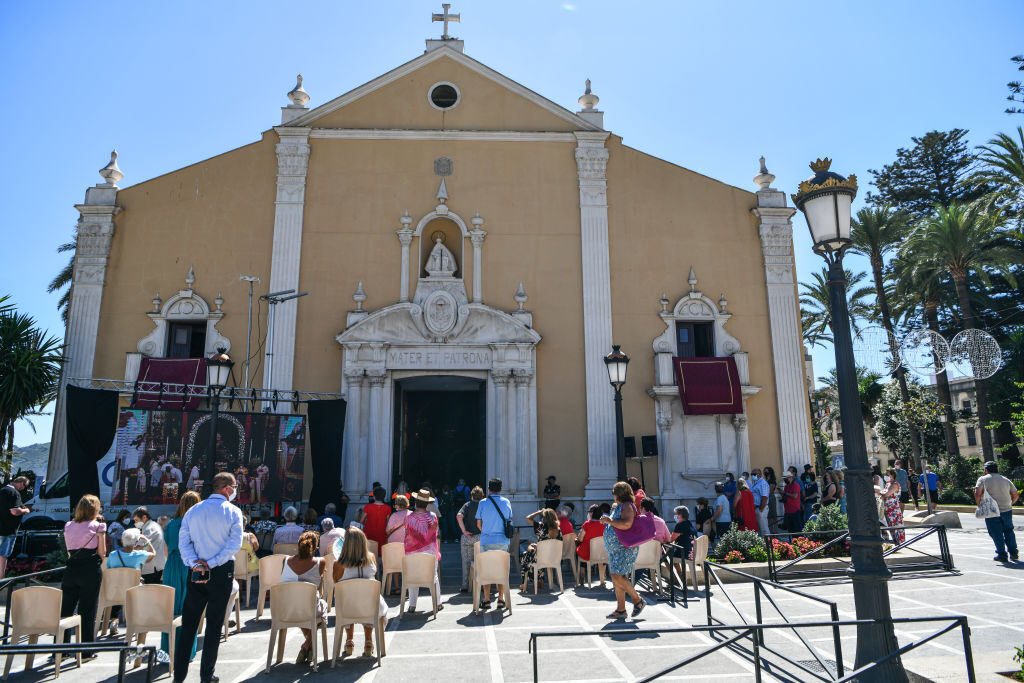
Ceuta Plans Traditional Catholic Celebration Amid Ongoing Challenges with Illegal Migration
The Spanish enclave of Ceuta is set to proceed with its annual celebration of Our Lady of Africa, despite experiencing significant upheaval due to a dramatic surge in migrant arrivals. This year’s festivities, which commence on August 5, occur within an “exceptional situation” brought on by a reported influx of tens of thousands of Moroccan migrants, resulting in what many deem the most severe migrant crisis in Ceuta since 2021.
The situation escalated this past week when clashes erupted between large groups of migrants and Spanish police, as demonstrators took to the streets chanting slogans. The confrontations were marked by police deploying batons to manage the crowds amid rising tensions in the enclave. According to local authorities, the recent events have left at least 88 people dead—a significant increase in fatalities in the context of the ongoing crisis.
Despite the prevailing fear and instability, plans for key events surrounding the Feast of Our Lady of Africa, a staple of Ceuta’s cultural and religious heritage, will remain intact. The celebration, deeply rooted in the local Catholic tradition, includes a series of activities spanning from August 1 to August 8 each year. This year’s symbolic Floral Offering and the Solemn Procession, which features a statue of the Blessed Virgin Mary parading through the streets, have been confirmed to proceed under enhanced security measures.
City officials, security personnel, and representatives from the Brotherhood of Our Lady of Africa convened to discuss the future of the celebrations, ultimately deciding to maintain these two pivotal components of the festivities. In a statement, the Brotherhood expressed confidence in the enduring spirit of the Ceutan community, emphasizing their collective heritage and devotion.
Local government sources have indicated that the decision to continue with select events reflects their commitment to preserving traditions that hold substantial meaning for the residents of Ceuta. The relevant authorities have pledged to ensure that all necessary security protocols are in place to safely facilitate the expected attendance at these annual observances.
The history of Our Lady of Africa in Ceuta dates back to 1421, when a depiction of the figure was sent to the city by Prince Henry the Navigator of Portugal. The patronage was formally recognized in 1949, and the Sanctuary dedicated to her, established at the end of the 17th century, continues to stand as a focal point for the local populace. As the celebration approaches, there remains a palpable sense of community resilience, with hopes that the events will serve as a unifying force amid ongoing challenges.
#business #politics #entertainment