Chevron plans to increase its operations in Venezuela.
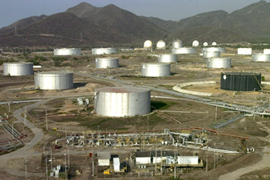
In a significant development for the oil landscape in Venezuela, Chevron has announced plans to invest over billion in joint ventures aimed at doubling the nation’s oil production to approximately 600,000 barrels per day over the next five years. This move not only underscores Chevron’s deep-rooted commitment to Venezuela’s energy sector but also signifies the potential for revitalizing a country that boasts the largest oil reserves globally. By enhancing their operations amidst the challenging dynamics of the global oil market, Chevron stands as a beacon of foreign investment and economic opportunity in the region.
Chevron Corporation has announced a transformative investment strategy focused on Venezuela that will see the U.S. oil giant inject more than billion into expanding its joint ventures. The objective is to double the country’s oil production to nearly 600,000 barrels per day over the next five years, reinforcing Chevron as a pivotal player in the region’s oil sector.
As the only U.S. oil company with a significant presence in Venezuela, Chevron’s plans highlight its long-term commitment to the country. The firm disclosed that it has been granted additional acreage in the Orinoco Belt, which includes its existing Petroindependencia joint venture and will now encompass two adjoining areas situated in the Carabobo region. Chevron CEO Mike Wirth expressed confidence in Venezuela’s substantial resource potential, emphasizing the company’s century-long history in the nation as a testament to its reliability and promise for future investment.
This announcement arrives in the wake of broader U.S. efforts to boost Venezuela’s oil output. More specifically, it follows U.S. President Donald Trump’s recent unveiling of a groundbreaking investment initiative that would allow the government to claim an equity stake in a private oil firm operating within the country, which involves a fifth of Venezuela’s oil reserves. While Chevron’s initiatives are independent of this venture, they collectively reflect an overarching strategy to heighten oil production in a country that boasts the world’s largest reserves.
Venezuela’s current oil production stands at around 1.25 million barrels per day, a notable decline from a peak of over 3 million bpd two decades ago, largely attributed to prolonged mismanagement and underinvestment by the state-run oil firm PDVSA, alongside U.S. sanctions. Nevertheless, U.S. Energy Secretary Chris Wright projected that Venezuela’s total oil output could achieve 2 million bpd by the decade’s end, underlining a potential turnaround for the nation’s oil industry.
Chevron’s agreements are designed to ensure improved fiscal, commercial, and legal protections for its long-term investments, with expectations that total production costs will remain below per barrel. The robust infrastructure already in place is poised to facilitate this growth, as it allows for development in the new areas to build upon existing facilities and pipeline systems.
In addition to Chevron’s activities, other players in the energy sector, such as ENI, KEO Capital, and Primavera, a firm co-founded by the billionaire Fred Ehrsam, are preparing to sign energy agreements in Venezuela, further reinforcing the momentum for energy collaboration in the country.
These agreements are part of progressive negotiations aimed at adapting dozens of existing contracts under a comprehensive oil reform implementated in January. U.S. officials, including Secretary Wright and Venezuela’s Oil Minister Paula Henao, are expected to oversee the signing of these contracts in Caracas.
The backdrop of U.S. support for energy investments follows a significant political shift in Venezuela, marked by the U.S. government’s intervention leading to the removal of former Venezuelan President Nicolas Maduro from office. This political shift paved the way for Trump’s ambitious 0 billion reconstruction plan for Venezuela’s energy sector, emphasizing the importance of U.S. oil company engagement as an essential component of revitalizing the nation’s economy and energy resources.
Chevron not only continues to thrive in Venezuela, having operated there since 1923, but it also represents a potential pathway for revitalizing the wider Venezuelan economy amidst ongoing challenges, signifying a robust future for foreign investment in this resource-rich nation.
#BusinessNews #PoliticsNews