
Clarifying Conflicting Claims Regarding Air Traffic Control Responsibilities
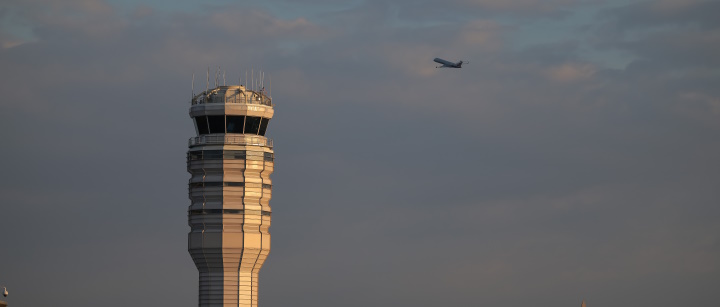
President Donald Trump and former Secretary of Transportation Pete Buttigieg have engaged in a significant discourse regarding the state of the United States’ air traffic control system, which has a complex history of planned upgrades and necessary improvements spanning several administrations.
Trump has consistently underscored his commitment to modernizing this essential infrastructure, announcing in December a substantial contract valued at .5 billion awarded to Peraton to initiate advancements as part of a broader plan for a “Brand New Air Traffic Control System.” This initiative aims to establish a modernized airspace management system that will enhance the safety and efficiency of air travel within the country.
In his remarks, Trump has attributed the deterioration of the air traffic control system to the policies of the Biden administration, particularly criticizing Buttigieg for allegedly mismanaging funds intended for system upgrades. This contention has been met with counterarguments from Buttigieg, who emphasized that the current administration has been implementing critical long-term communications fixes, asserting that much of the responsibility for modernization efforts predates Biden’s term.
While Trump’s administration has indeed allocated more resources towards upgrades compared to the Biden administration, experts have pointed out that many components of the modernization plans were already initiated in earlier years, particularly under previous administrations. A thorough examination of the historical context reveals a pattern of delays, cost overruns, and unmet expectations regarding air traffic modernization.
Reports indicate that the air traffic control system comprises over 400 control towers managing millions of passenger flights daily. This intricate network relies on both ground communications and advanced satellite technology. Experts assert that while updating technology is vital, more efficient management of air traffic flow is equally essential to address the existing bottlenecks caused by increased flight operations amid a reduction in staffing.
In May, an ambitious proposal for the new air traffic control system was unveiled, projecting a total project cost of .5 billion and an anticipated completion by 2028. However, experts note that while the initiative represents a significant investment, it may not fundamentally rethink the operational structure of air traffic control, focusing more on infrastructural upgrades rather than a comprehensive overhaul.
Despite challenges, both the Trump and Biden administrations have made substantial contributions toward improving air traffic safety and efficiency, reinforcing the critical need for ongoing investment in this vital public service.
This discourse highlights the importance of bipartisan cooperation to ensure the modernization of air traffic control systems is not only achievable but also sustainable, ultimately benefiting American travelers and the aviation industry as a whole.
#PoliticsNews #WorldNews


