
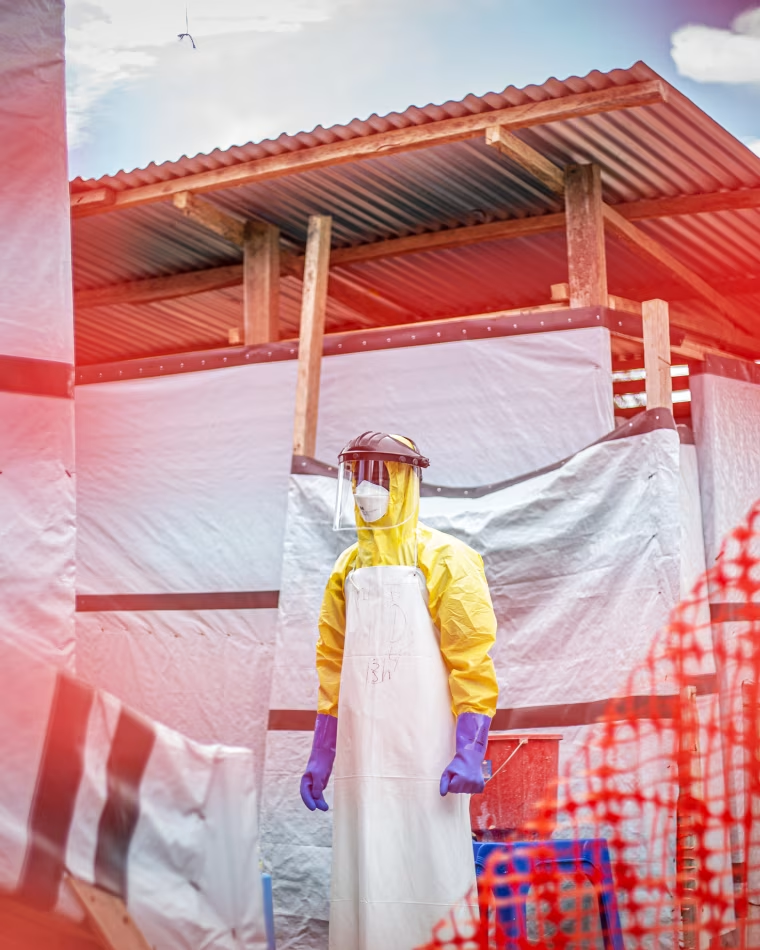
Congo Ebola outbreak surpasses 10,000 cases as authorities work to contain spread in Africa
The ongoing Ebola outbreak in the Democratic Republic of the Congo (DRC) has become a significant public health crisis, as recent government data indicates that confirmed cases have surpassed 10,000. This outbreak, which began in May, is now recognized as the most rapidly spreading in history and is reported to be the deadliest in the nation’s experience, with almost half of those infected succumbing to the virus.
The outbreak is attributed to the Bundibugyo strain of the Ebola virus, which lacks an approved vaccine or treatment. Health authorities are grappling with severe challenges in mitigating the spread of the disease, including armed conflict, inadequate infrastructure, and widespread distrust fueled by misinformation. These barriers significantly hinder the ability of health teams to encourage symptom reporting and secure treatment from communities that have contended with recurring violence and health crises for years.
When compared to the West Africa Ebola outbreak from 2014 to 2016, which accounted for over 28,000 cases and more than 11,000 deaths, the current episode has seen a far more rapid escalation in both cases and fatalities. This outbreak has also extended its reach more widely across the African continent than previous instances, with cases documented in countries including Kenya and Nigeria. Although some nations such as Uganda and France have reported no active cases, the virus remains a potent threat.
A significant factor contributing to the outbreak’s swift spread has been the apparent inadequacy of surveillance measures, as many initial cases were identified only after symptoms emerged or following cross-border travel. In the DRC, the disease has infiltrated 66 health zones across eight provinces—a stark increase from the original three zones identified at the outbreak’s onset.
Health workers face a dual challenge: not only are they combating the medical crisis, but they are also contending with community hostilities and mistrust. Reports indicate that treatment centers are becoming overwhelmed, exacerbating the already strained public health infrastructure. Strikes by health workers over unpaid wages and bonuses have further complicated the situation, illustrating the systemic issues plaguing healthcare response efforts.
As the outbreak continues to evolve, essential healthcare services already stretched thin are being disrupted. The repercussions are grave, with increased maternal mortality reported due to women avoiding hospitals out of fear of infection. The consequences extend beyond the immediate health crisis, affecting wider healthcare services such as vaccinations and educational continuity, thereby threatening the livelihoods of communities already facing economic hardship.
The current humanitarian emergency showcases the urgent need for a coordinated global response to contain the outbreak and tackle the underlying issues that complicate effective health interventions in the DRC.
#business #politics #environment


