Ebola outbreak in Congo expands to new province, marking the fastest growth in the region
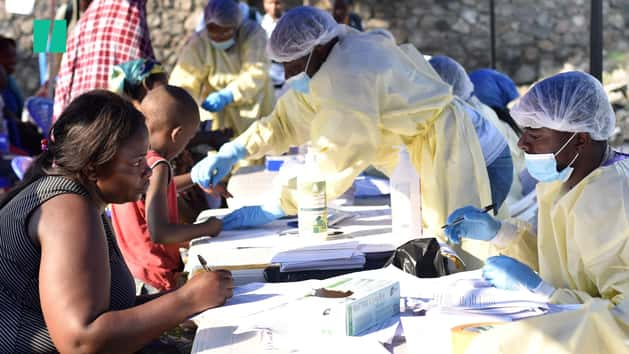
A significant escalation in the ongoing Ebola outbreak in the Democratic Republic of Congo has been recorded, as health officials announced the spread of the virus to Bas-Uele province, marking the sixth province affected. The news was disclosed by Jean Kaseya, Director-General of the Africa CDC. The outbreak, the fastest-growing to date, has raised alarm as it threatens to surpass the record set during the 2014-2016 epidemic, which resulted in over 11,000 fatalities.
The latest victim was a male resident from Isiro in Haut-Uele province who traveled to Buta, the capital of Bas-Uele, prior to succumbing to the disease. Current statistics indicate that more than 4,500 cases of Ebola have emerged, leading to approximately 2,100 confirmed deaths. This death toll has alarmingly escalated nearly three times faster than during the previous outbreak in West Africa.
Compounding the crisis, the World Health Organization (WHO) noted that there are currently no approved vaccines or treatments available for the rare Bundibugyo virus driving the outbreak. As health officials strive to contain the spread of the virus, several challenges further complicate their efforts. These include local strikes by unpaid health workers, security threats from insurgent groups, and pervasive public skepticism regarding the legitimacy of the Ebola threat.
As of the latest updates, six out of Congo’s 26 provinces have reported cases, further broadening the geographic scope of the crisis. On the ground, a temporary closure of the Nizi Treatment Center in Ituri province was enacted as health workers initiated a strike, citing months without compensation.
Recent revelations indicate that the outbreak may have begun as early as February, although it was officially declared on May 15, 2026. Reports state that between 60% to 70% of new infections are arising from individuals who are not under direct monitoring, contributing to fears of an uncontrollable spread. Dr. Mohamed Yakub Janabi, the WHO regional director for Africa, articulated the urgency of the situation, stating that efforts to combat the disease feel like a race against a virus that consistently stays ahead.
Current initiatives include the commencement of clinical trials for potential treatments in the hardest-hit Ituri province. These developments underscore the ongoing international response to a crisis that presents not only a health emergency but also complex socio-political implications in a region already challenged by instability.
#business #politics #technology #health #environment