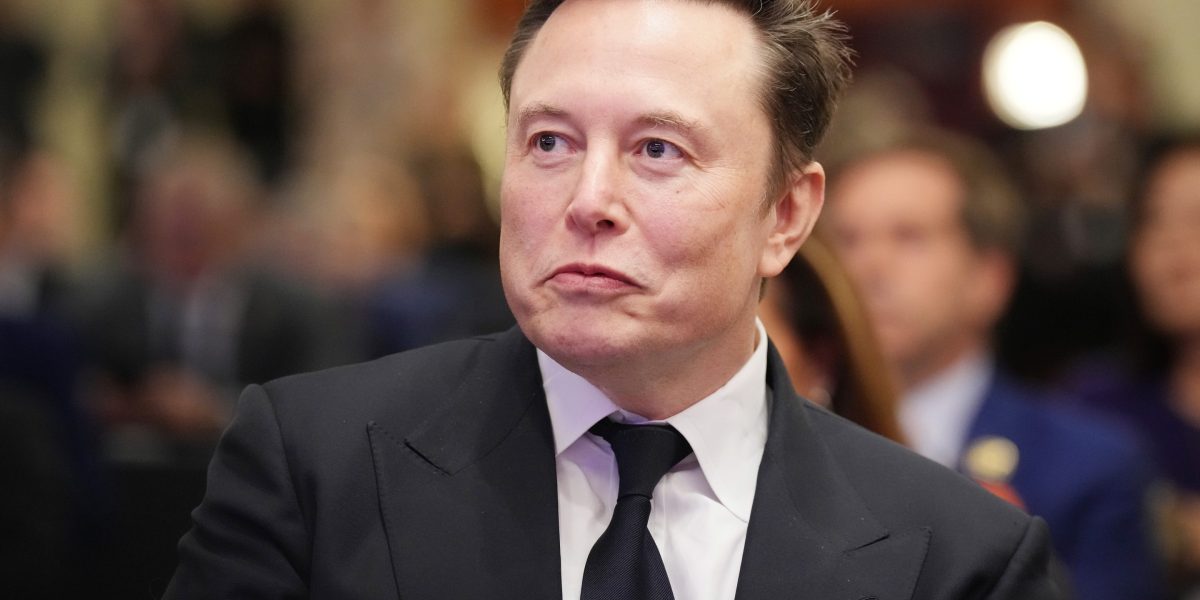
Experts Warn SpaceX IPO Could Lead to Unprecedented Losses for Retail Investors
The much-anticipated initial public offering (IPO) of SpaceX is set to take place on June 12, 2026, marking a pivotal moment in the history of Wall Street. While other technology giants like Anthropic and OpenAI have positioned themselves with lofty valuations, SpaceX is positioning itself to potentially shatter records—targeting an initial valuation of at least .8 trillion. This ambitious target would surpass the current highest IPO valuation held by Saudi Aramco, which raised .4 billion during its market debut in December 2019.
SpaceX’s entry into the public market signifies the convergence of two burgeoning sectors: space exploration and artificial intelligence. Led by the high-profile entrepreneur Elon Musk, the company has gained nearly mythical status, fueled by Musk’s monumental success with Tesla, where he orchestrated a staggering 26,000% return since its own IPO in 2010.
However, as excitement swirls around the launch, analysts signal potential pitfalls that could emerge for retail investors. Concerns arise from historical trends, notably that large IPOs often experience a disheartening post-launch period. Historical precedents reveal that companies like Facebook (now Meta Platforms) and Saudi Aramco suffered significant declines shortly after their IPOs, prompting fears that similar outcomes might await SpaceX.
Moreover, the intricacies of SpaceX’s financial standing merit scrutiny. The company reported substantial operating losses and a capital-intensive model, alongside a less competitive growth trajectory in its AI ventures compared to its peers. These factors raise questions about sustainability in the long run, giving investors pause.
Adding to investor apprehension are significant structural changes to index inclusion rules that could impact the market dynamics surrounding the IPO. Recent amendments by the Nasdaq, allowing expedited entry into major indices, could push passive funds to absorb SpaceX shares immediately after its public debut. This influx may initially inflate stock prices but could subsequently lead to vulnerabilities for retail investors, particularly if internal stakeholders begin liquidating their holdings much earlier than the traditional lock-up period.
In this climate of soaring expectations and intricate risks, many retail investors find themselves at a crossroads, balancing the allure of a groundbreaking IPO with the reality of potential financial pitfalls.
#business #technology #politics