Formula 1 to return to Africa with Rwanda Grand Prix scheduled for early 2030s
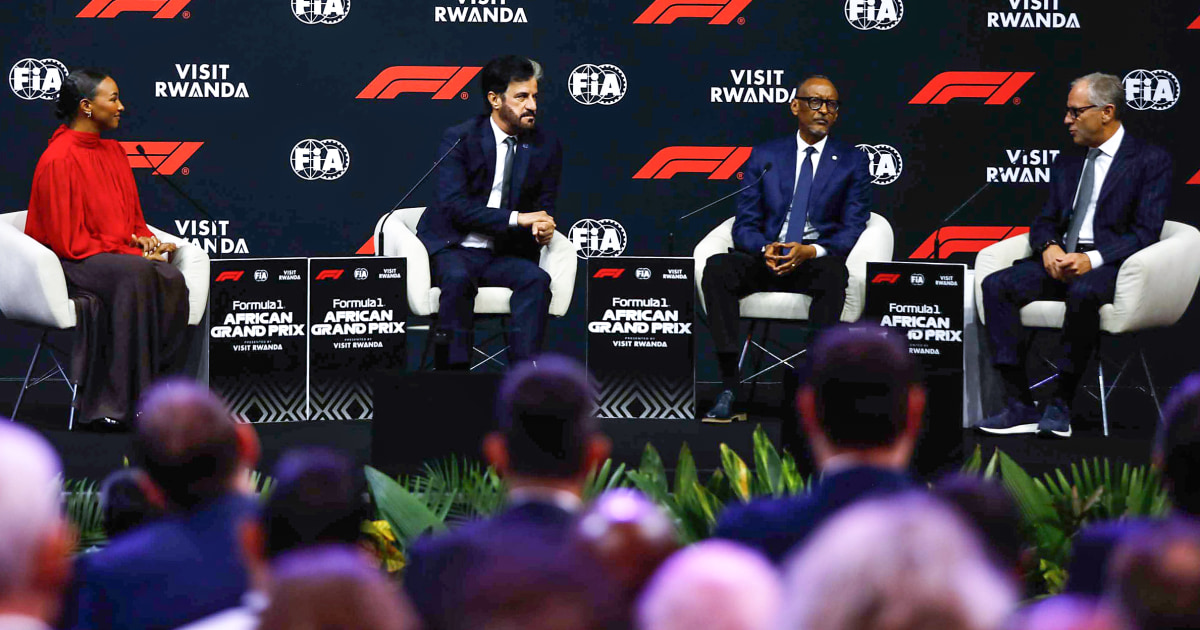
Formula 1 is poised to make a return to the African continent with a new Grand Prix scheduled to be held in Rwanda, marking the first F1 race on African soil since 1993. This development was confirmed during a recent announcement by both Formula 1 officials and President Paul Kagame of Rwanda. The event is part of a decade-long agreement to host the race once a custom-built track is completed southeast of Kigali, the capital city.
President Kagame, who has been an advocate for bringing F1 back to Africa, emphasized the significance of this partnership, stating that it represents a crucial milestone for the continent. He envisions the African Grand Prix as a stepping stone toward hosting additional racing events in other African nations, thereby enriching the continent’s sporting landscape.
While the precise date for the inaugural race remains undisclosed, it is anticipated that the new racing circuit in Bugesera, located about 25 miles from Kigali, will be finished in the early stages of the next decade. This purpose-built track aims to integrate seamlessly with the region’s natural topography, utilizing its hills and dips to present unique challenges for drivers.
The significance of this event extends beyond the thrill of motorsport. Rwanda seeks to leverage the Grand Prix to enhance its sports infrastructure and boost tourism, ultimately diversifying its economic base. With a per capita GDP of slightly above ,100, Rwanda stands in sharp contrast to other glamorous F1 venues such as Monaco and Abu Dhabi. Kagame noted that hosting such an event provides an opportunity for domestic growth, particularly job creation for the nation’s youth.
However, this opportunity also comes with potential scrutiny. As F1 returns to Africa, it may attract renewed attention to Rwanda’s human rights record. Various organizations have voiced concerns regarding Kagame’s administration and its methods of maintaining authority. Critics argue that the spotlight from hosting a high-profile event like F1 could be used to deflect from serious governance issues.
Rwanda’s successful candidacy for this F1 event positions it ahead of South Africa, which has also sought to bring F1 back through various proposals. South African officials have expressed their aspirations to host races in the future, emphasizing the need for the continent to secure multiple events.
Historically, Africa has been entwined with F1 racing, yet past races often bore the weight of political controversy, particularly relating to apartheid in South Africa. As the sport undergoes this new chapter on the continent, both local and global audiences will be closely watching the developments.
In conclusion, the return of Formula 1 to Africa, headlined by the Rwanda Grand Prix, symbolizes not just a sporting event, but also a broader narrative of economic development, tourism potential, and the intricate interplay of politics and global perceptions.
#business #politics #entertainment #technology #environment