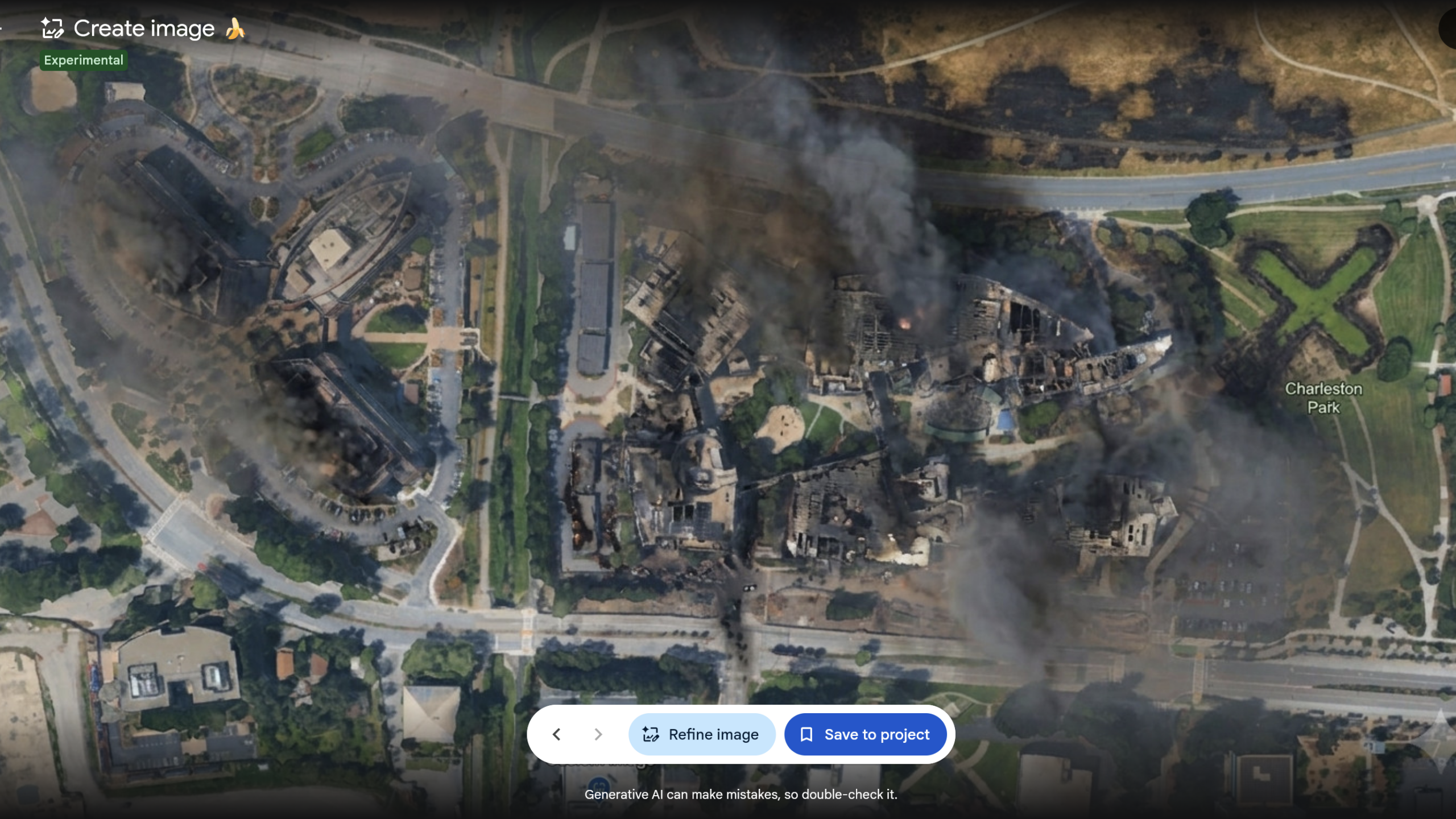
Google Earth launches and quickly withdraws AI tool for creating fake satellite images
Google’s recent introduction of AI-generated imagery in its Google Earth application has sparked a mix of intrigue and concern regarding the implications for visual authenticity and public trust. In a rapid response to emerging issues, the tech giant has temporarily removed the AI feature, signaling an acknowledgment of its potential consequences on credibility, particularly when it comes to satellite imagery.
A media source highlighted that Google’s digital watermarking system, SynthID, has shown promise in its ability to persist through significant alterations to images. However, it is not without limitations. The system restricts users to a mere ten checks per day, raising questions about its reliability in verifying the authenticity of images that have undergone modifications. This is particularly salient when considering the nuanced ways in which AI-generated content can be disseminated, often stripped of its original identifiers and manipulated into a variety of forms, such as screen recordings or re-encodings.
Concerns were further amplified by the revelations surrounding the potential for misuse of the AI imagery tool. Instances were cited where AI-altered images depicted sensitive subjects, such as bombed hospitals in conflict zones, emphasizing the ethical ramifications of allowing unrestricted access to such powerful technology. Critics have pointed out that this capability not only invites misinformation but could also serve as a convenient excuse for entities to discredit legitimate satellite imagery, thereby casting a shadow over the integrity of crucial visual data.
The immediate effects of Google’s AI image generator were deemed concerning for journalists and researchers who rely on satellite images to counter misinformation. The complexity of verifying such images, once easily modified, poses a significant challenge to information credibility in an increasingly digital landscape. Experts have recommended a more robust approach to verification, leveraging a variety of updated satellite imagery sources to mitigate the risks associated with AI-generated content.
In light of the situation, Google has committed to reevaluating its AI tool, stating that while it has proven beneficial in some contexts, the platform must establish more stringent guidelines to avert potential abuses. Although the feature’s withdrawal appears to be a precautionary measure, indications suggest that Google may consider reintroducing it in the future after addressing the prevalent challenges.
As the technology sector continues to grapple with the ramifications of AI, Google’s responsive action reflects a broader imperative: the necessity of maintaining trust in digital representations of reality amid rapid technological evolution.
#technology #business #politics