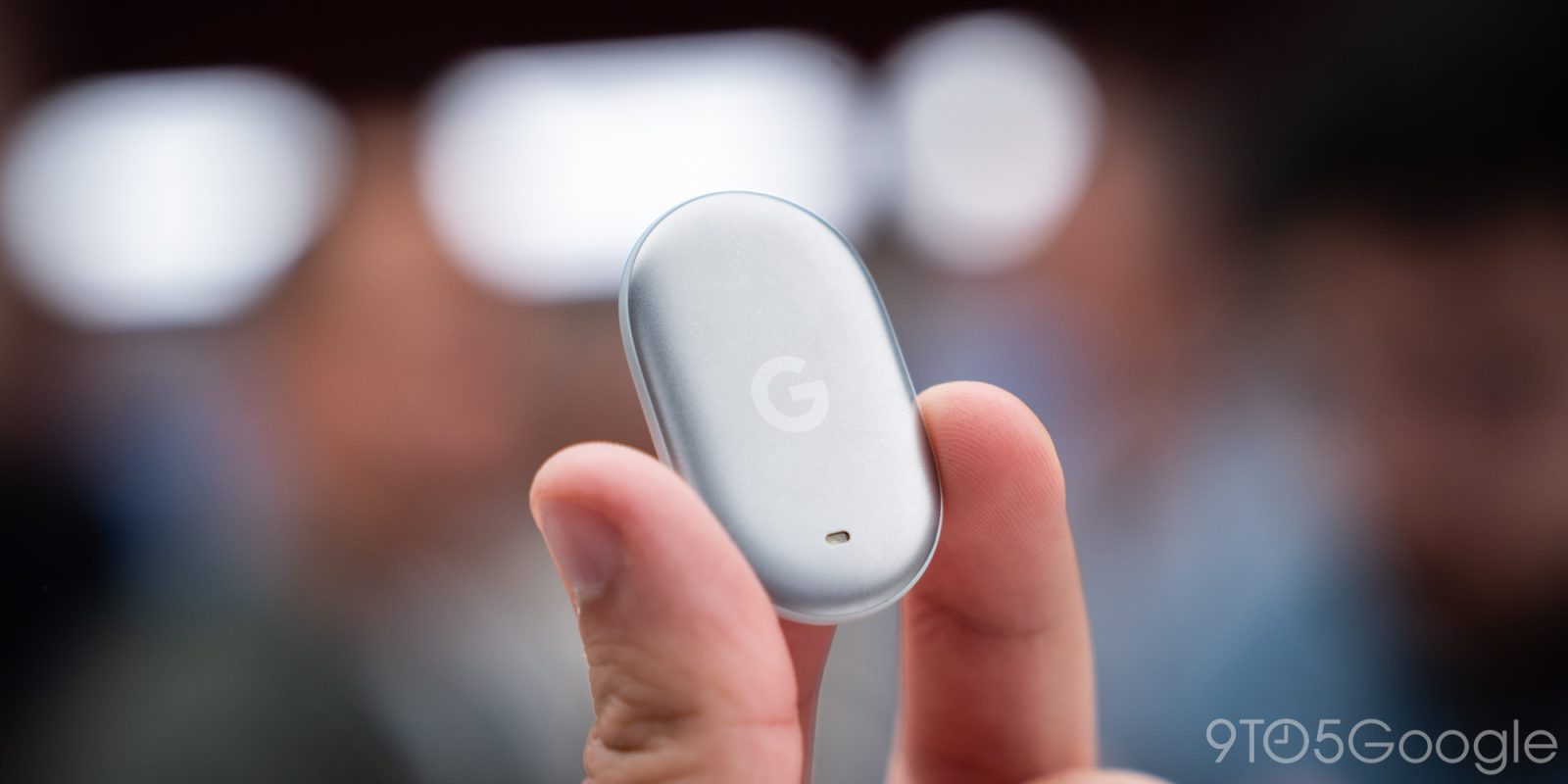
Google unveils innovative strategy for Pixel Tag amid competition from AirTag clones
Google has announced its entry into the tracking device market with the upcoming launch of the Pixel Tag, a product designed to work with its Find Hub network. Scheduled to be released in November at a competitive price of , the Pixel Tag is set to face stiff competition, particularly from Apple’s dominating AirTag.
The Pixel Tag incorporates Ultra-Wideband (UWB) technology, a sophisticated feature aimed at facilitating precise tracking. This device leverages the proximity of nearby compatible devices within the Find Hub ecosystem, enabling users to locate misplaced items, such as bags or keys, with enhanced accuracy. The Pixel Tag differentiates itself with a new “Left Behind” feature, which alerts users when they inadvertently leave valuable items behind. While many competitors have shifted towards rechargeable batteries, Google has opted for a standard coin-cell battery for this tracker, a decision likely driven by cost considerations.
There is a noteworthy delay in Google’s introduction of its own branded tracker, especially given the rapid evolution of the tracking device market, which has seen innovations from companies like Pebblebee and Chipolo in recent years. The Pixel Tag’s integration of UWB and the “Left Behind” feature provides it with advantages that could capture market attention.
However, the Pixel Tag’s design may also pose challenges. Measuring at a significantly compact size, it is smaller than many of its competitors, including the Moto Tag and Apple’s AirTag. Although its diminutive form enhances portability, facilitating discreet placement, it brings with it a unique set of hurdles. Potential buyers will require accessories to mount the device effectively, akin to existing offerings from Apple. Furthermore, Google will need to collaborate with third-party manufacturers to create a vast ecosystem of accessories, a task that may prove more complicated due to the Pixel Tag’s distinctive dimensions.
In summary, the Google Pixel Tag stands as a bold entry into a competitive sector, attracting interest with its unique features but potentially struggling with its niche design. The success of the Pixel Tag will depend on how effectively Google can cultivate the necessary support ecosystem and promote its standout capabilities.
#technology #business