Helium-3: Exploring the Potential of Lunar Resources for Future Energy Solutions
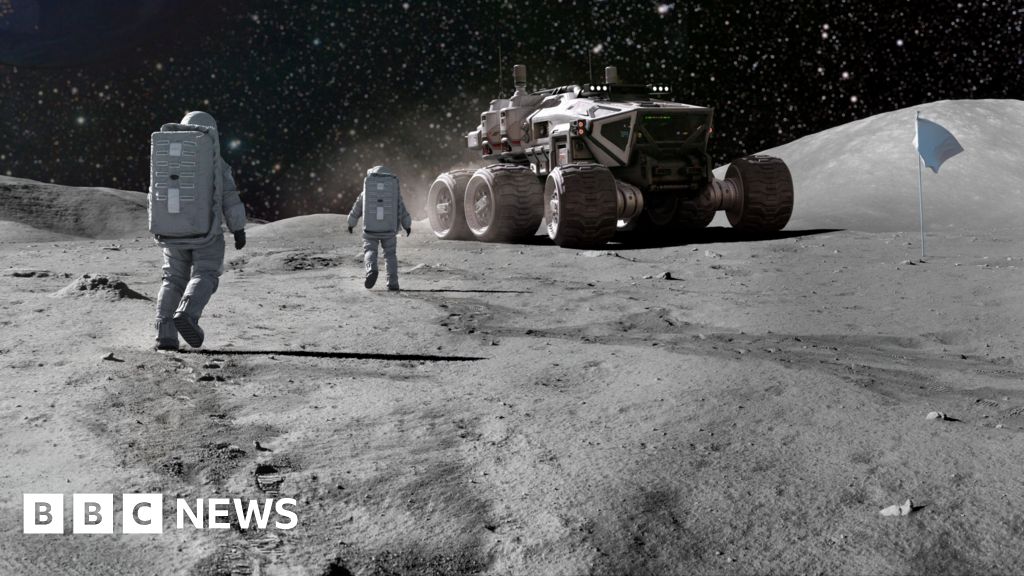
Interlune, a Seattle-based aerospace firm, is positioning itself at the forefront of lunar exploration with ambitious plans to extract helium-3 from the moon. This helium isotope, which is rare on Earth, is viewed as a potential game-changer for energy production due to its promise in nuclear fusion applications. Rob Meyerson, the co-founder and chief executive of Interlune, emphasizes the extensive development, prototyping, and testing the company has undertaken over the past four years to refine the necessary technologies for this endeavor.
Meyerson’s previous experience as president of Blue Origin, the aerospace company founded by Jeff Bezos, lends a significant air of credibility to Interlune’s efforts. His leadership in that organization, from 2003 to 2018, provided him with unique insights into the challenges and opportunities within the aerospace sector, particularly those involving lunar and extraterrestrial resource utilization. Under his guidance, Interlune has grown to a team of 30 people, indicating a rapidly expanding operation focused on tapping into the resources of the moon.
Helium-3 is considered a potential clean energy source that could supply energy needs for decades to come. The moon has an abundance of this isotope, primarily deposited by solar winds over billions of years. As global energy demands rise and the urgency for clean energy alternatives intensifies, the prospect of harvesting this resource has generated considerable interest among scientists, environmentalists, and energy policymakers alike.
Interlune’s initiative is part of a broader trend in the aerospace industry, where private companies are increasingly exploring the commercial viability of off-Earth resources. As the realm of space exploration shifts from government-led initiatives to private ventures, the race to secure lunar resources may lead to significant advancements in technology, international collaboration, and ethical considerations around space mining.
The company’s plans are not without challenges; technical hurdles, regulatory frameworks, and collaborative international efforts will play crucial roles in the successful implementation of its mission. Nevertheless, as Interlune leads the charge in this promising sector of space exploration, the future of lunar helium-3 mining could reshape energy production on Earth, ultimately contributing to a more sustainable energy landscape.
#business #technology #environment