House of the Dragon director addresses George RR Martin’s criticism of changes made from the original book
The HBO series “House of the Dragon,” a prequel to the renowned “Game of Thrones,” has sparked considerable debate due to its ongoing deviations from the original literary works by George R.R. Martin. As the series progresses into its third season, significant changes have emerged, drawing criticism and concern from purists of the source material, while also igniting a dialogue about artistic adaptation in the realm of television.
The adaptation, which debuted in 2022, has been characterized by its bold creative choices, leading Martin to express dissatisfaction with the portrayal of several narrative arcs. The author has distanced himself from certain developments in the show, highlighting discrepancies between his vision in “Fire & Blood” and the direction taken by showruner Ryan Condal. In particular, the latest episodes have showcased alterations in character portrayals and plot developments that diverge from Martin’s established narrative.
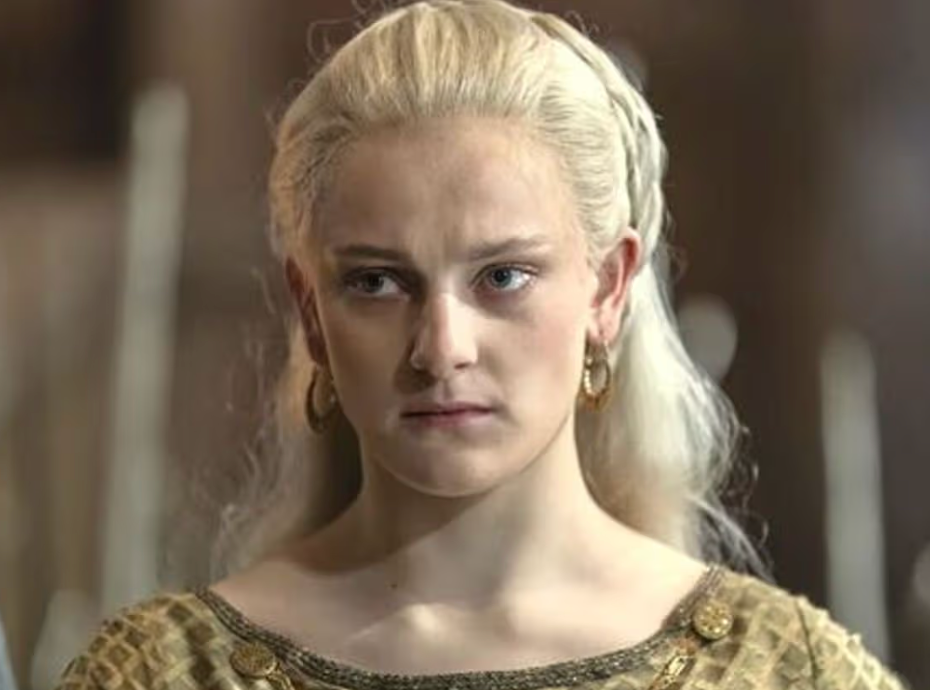
One notable example is the character Helaena Targaryen, who in the television adaptation is shown as more assertive and confident than her literary counterpart. In a recent episode, Helaena is depicted boldly riding her dragon, Dreamfyre, a significant shift from the book, where she is characterized as reluctant to embrace her dragon-riding heritage due to concerns about corruption. This representation has drawn attention for its departure from Martin’s nuanced portrayal, presenting a more formidable figure than the original text allows.
In addressing the changes, director Nina Lopez-Corrado emphasized the necessity of adaptations to enhance character arcs and prepare for future narrative developments within the series. The looming finale of the third season is set to depict the Battle of Tumbleton, one of the book’s most pivotal confrontations, which could further amplify the divergence from the established storyline.
Martin recently voiced concerns about the expanding scope of these changes, labeling some as “larger and more toxic,” prompting discussion about how fidelity to source material influences the reception of adaptations. Condal has countered these critiques by noting that the complexities of Martin’s works require innovative interpretations to translate effectively to the screen.
As the series continues to unfold, the tension between fidelity to the source material and the creative liberties taken by its adaptation will likely remain a focal point of discourse among fans and critics alike. The outcome of “House of the Dragon” may set a precedent for future adaptations of literary works in the flourishing landscape of contemporary television.
#entertainment #technology