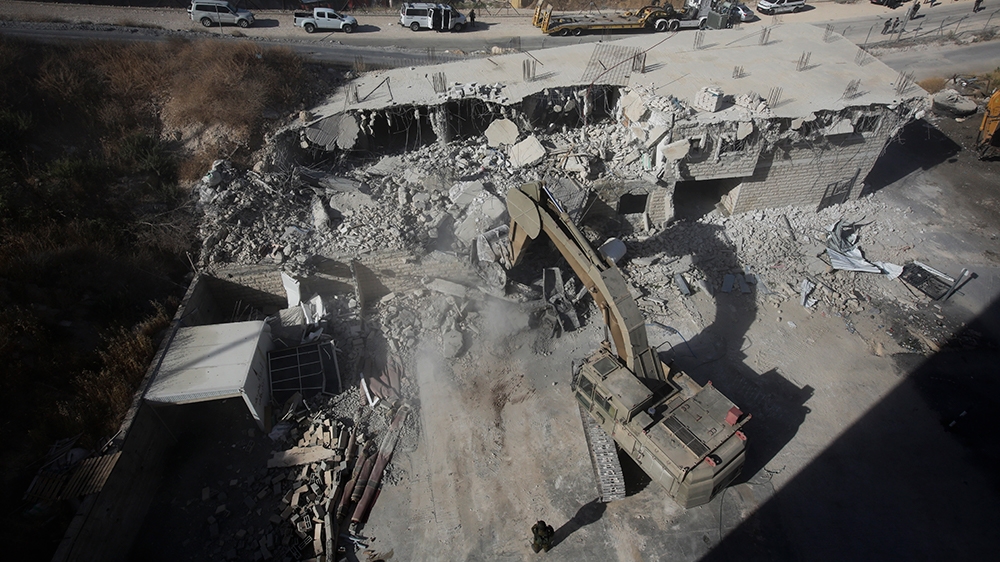
Israel announces plans to assume control of Hebron, according to statements from government representative Bezalel Smotrich.

In a recent development, Israeli Finance Minister Bezalel Smotrich announced that Israel has officially transferred control of Hebron to its military forces, marking a significant moment in the ongoing dialogue about authority in this historically rich region. This transfer includes oversight of the highly revered Cave of the Patriarchs, a site of immense spiritual and cultural significance. The implications of this decision resonate deeply within the broader context of Middle Eastern politics and underscore the complexities of governance in areas of diverse and profound heritage.
Israeli Finance Minister Bezalel Smotrich has declared that the Israeli government has transferred authority over Hebron to the Israeli Defense Forces (IDF). This critical decision encompasses control of the Cave of the Patriarchs, a site recognized not only for its historical significance but also for its deep cultural resonance among various communities. The announcement was made on June 17, 2026, in a move that reflects the ongoing shifts in governance and responsibility in contested areas of the West Bank.
Smotrich’s statement underscores the significance of military oversight in a city that has been a focal point of tension and a touchstone for historical claims by both Israeli and Palestinian communities. The Cave of the Patriarchs is revered as a sacred site by Jews, Christians, and Muslims alike, where it is believed that the prophets Abraham, Isaac, Jacob, and their spouses are buried. The site’s continued control by Israeli authorities could potentially escalate tensions, given the nuanced dynamics of faith and historical references that tether various populations to the site.
The implications of this transfer are manifold, touching upon issues of security, heritage preservation, and interfaith relations. Observers note that while the announcement aims to assert security in the volatile region, the potential for civil unrest cannot be overlooked given the historical grievances associated with Hebron. The sensitivities surrounding the region’s diverse inhabitants necessitate a careful approach to how governance is managed and perceived.
In this complex geopolitical landscape, the key to peace may lie not only in political maneuvering but also in fostering dialogue and understanding among all communities involved. It is crucial for leaders to consider how actions such as this will resonate beyond immediate political objectives and feed into the narratives that shape public perception and community relations within and beyond the region.
#MiddleEastNews #PoliticsNews