KDE Celebrates 30 Years with Launch of Plasma 6.8, Remote Upgrades, and Retirement of X11
On October 14, the KDE project commemorated its 30th anniversary by unveiling Plasma 6.8, marking a significant transition in its desktop environment strategy. This latest release not only introduces a variety of enhancements but also signals the retirement of support for the native X11 session. A media source heralded Plasma 6.8 as the “30th Anniversary Edition,” emphasizing its forward-looking capabilities as it transitions fully to the Wayland protocol.
With 42 years of service, the deprecation of the X11 protocol marks a critical juncture for KDE. The legacy X11 applications will still have functionality through the XWayland compatibility layer, allowing KDE applications to maintain their support for X11 within alternative desktop environments. Users who prefer to remain on Plasma 6.7 will be able to retain their existing sessions for the time being. This anticipated move aligns with trends across the industry, as notable desktop environments such as GNOME have announced plans to drop X11 sessions by 2025.
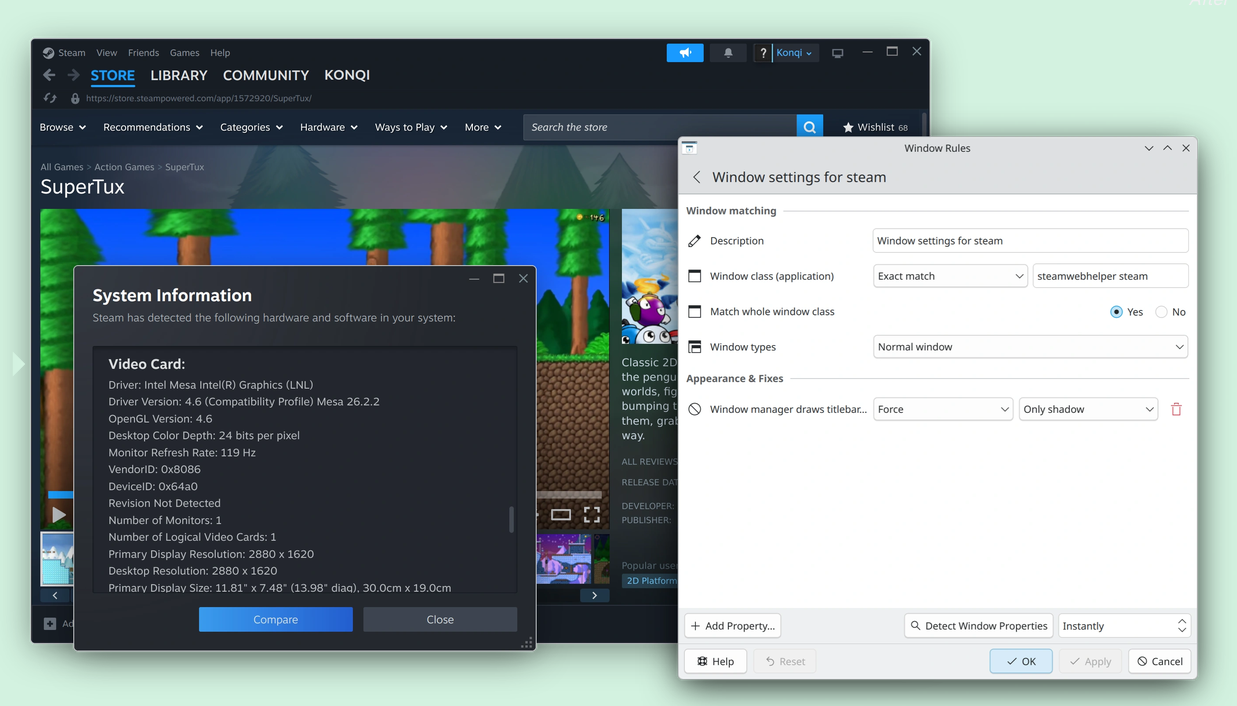
The Plasma 6.8 release introduces numerous improvements aimed at enhancing user experience. One of the notable features includes expanded support for window decorations, allowing third-party applications to incorporate elements such as shadows and rounded corners seamlessly. Additionally, the update integrates Nvidia triple buffering as a default setting, significantly improving graphics performance. The incorporation of Kup, KDE’s backup utility, further enhances the ecosystem by providing robust backup options directly within the Plasma interface. A new command-line utility, kscreenctl, also enables advanced users to easily manage display configurations.
Users of the updated System Monitor will benefit from enhanced process management capabilities, allowing for direct CPU core pinning via the graphical interface—an important tool for optimizing performance. Furthermore, the revamped remote desktop server within Plasma 6.8 aims to cater to the needs of users accessing virtual displays across networks. Key features such as clipboard synchronization and adaptive remote streaming offer significant improvements for stability and usability.
In a cultural touchpoint, KDE also premiered a documentary titled “The KDE Documentary — A Story of Free Software Underdogs,” which humorously captures the essence of the community that has driven the project over three decades.
The KDE community’s continued innovation is evident in this latest release, reinforcing its commitment to improving user experience while embracing modern technologies.
#business #technology #entertainment