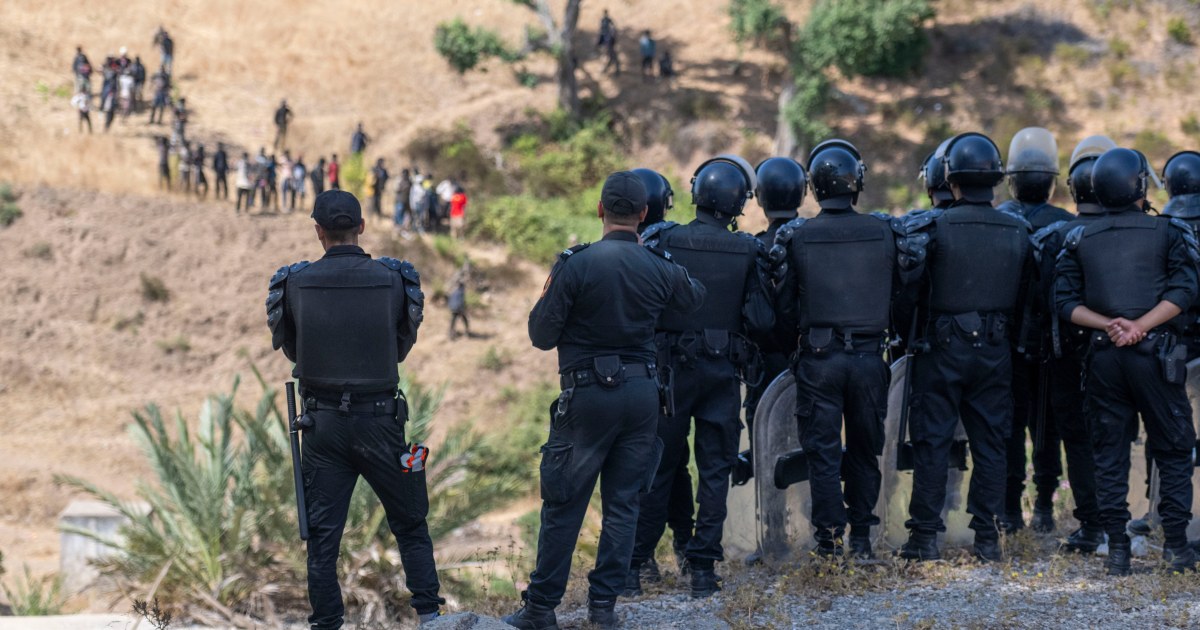
Morocco detains 111 migrants en route to Spain’s Ceuta amid security crackdown
CEUTA, Spain — In a recent surge of migration activity, Moroccan authorities apprehended at least 111 individuals attempting to enter Spain’s North African enclave of Ceuta, following social media calls for another large-scale crossing. This incident follows a previous episode two weeks prior, during which more than 72,000 migrants made the perilous journey, exacerbating tensions within the European Union and fueling anti-immigration sentiments among far-right political factions globally.
According to a media source, the Moroccan Interior Ministry confirmed that 109 of those detained were migrants from sub-Saharan Africa, while the remaining two were Moroccan nationals. The arrests occurred primarily in Fnideq, the Moroccan city situated directly across the border from Ceuta. Amid the heightened security measures, Moroccan police were reported to have used tear gas to disperse groups of migrants gathered in the vicinity.
In Ceuta itself, military personnel safeguarded commercial establishments, and law enforcement conducted extensive patrols across the enclave’s main thoroughfares. Compared to the chaos witnessed after the deadly crossing attempt on July 30, the situation appeared more subdued. The Spanish government has since fortified its maritime defenses and reinforced police presence, increasing law enforcement personnel in Ceuta to over 1,600, with plans to maintain this heightened security for the foreseeable future.
Interior Minister Fernando Grande-Marlaska emphasized the commitment of the Spanish government to restore order and prevent further incidents like those experienced in recent weeks. Currently, an estimated 5,000 migrants remain in Ceuta, many seeking refuge under makeshift shelters along the urban beach of El Trampolín.
In a notable shift in policy, Grande-Marlaska stated that migrants entering Ceuta unlawfully would not be permitted to remain or travel to mainland Spain, highlighting that exceptions would be exceedingly rare and reserved for cases of extreme vulnerability. Those without legal status would be repatriated to Morocco.
The Moroccan government has intensified border security measures, monitoring social media for potential organized attempts to cross into Ceuta, and has warned that the instigators will face legal repercussions. Reports indicate that heightened security, including roadblocks and increased police presence, has been enforced not only in Fnideq but also around Spain’s other enclave, Melilla.
Despite these preventive measures, some migrants from sub-Saharan Africa continue to seek illicit routes to the border, circumventing security checkpoints. Local accounts suggest that public facilities, such as schools, have been repurposed to accommodate the influx of security personnel stationed near the crossing points.
This ongoing situation raises critical questions about the broader issues of migration and security in Europe, as both national and international policies grapple with the complexities of human mobility, humanitarian aid, and border enforcement.
#business #politics #technology #environment