
Palestinian journalist with 1.4 million followers announces TikTok ban.
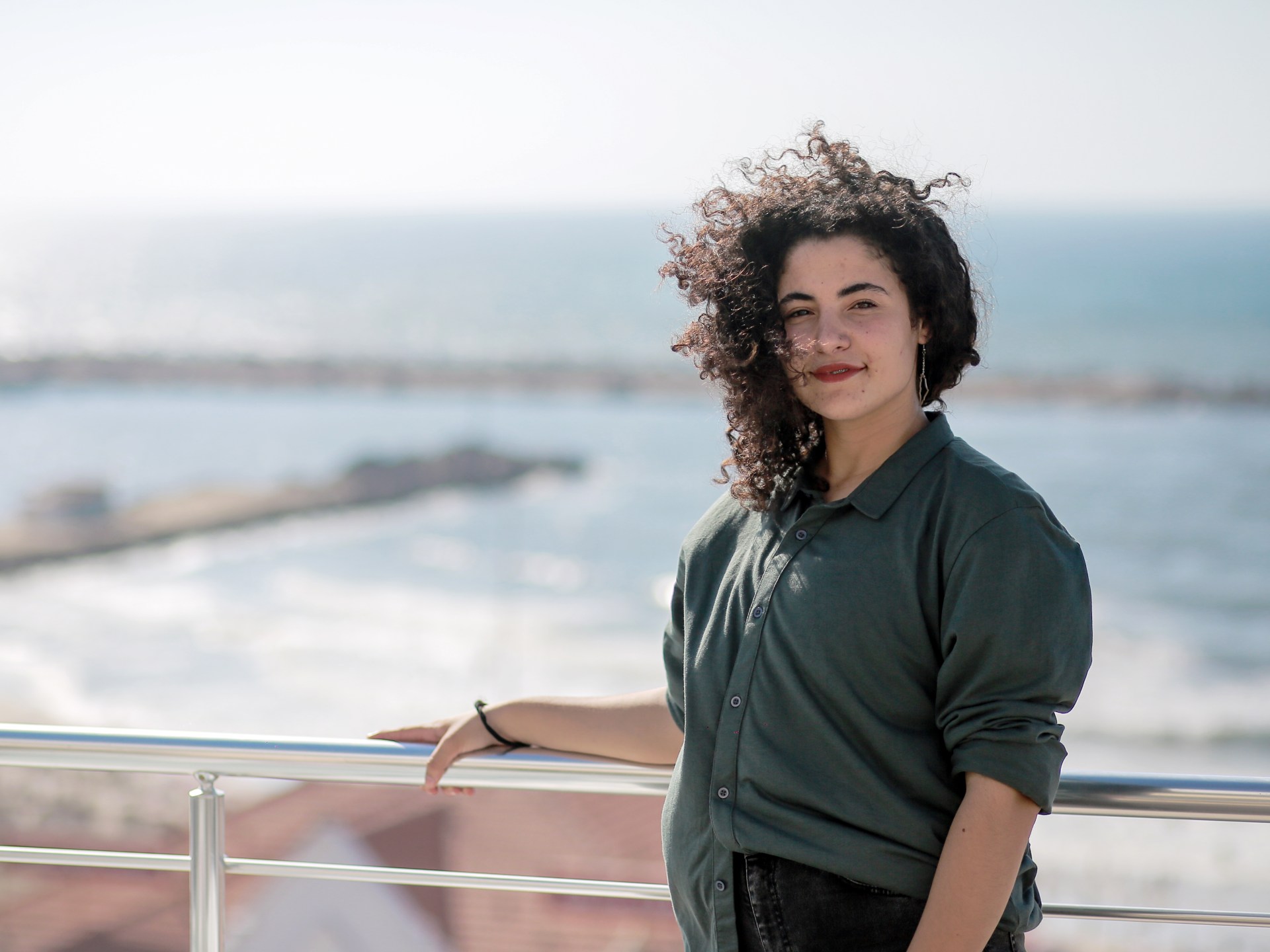
In a landscape where social media plays a pivotal role in shaping narratives, the permanent ban of award-winning Palestinian journalist Bisan Owda from TikTok underscores the challenges faced by reporters from conflict zones. Owda, known for her impactful storytelling from Gaza, has now voiced concerns about her ban in relation to shifts in TikTok’s ownership and political influences. This incident not only highlights the intersection of media, technology, and politics but also raises questions about the freedom of expression in digital spaces.
Award-winning Palestinian journalist Bisan Owda has reported being permanently banned from TikTok, mere days after the platform’s recent acquisition by new investors in the United States. Owda, who is an Emmy Award-winning contributor to ZezapTV’s AJ+ from Gaza, shared her predicament through a video posted on her Instagram and X accounts, revealing the sudden loss of her account that boasted 1.4 million followers—an audience she cultivated over four years.
In the emotional video, Owda expressed her disappointment, stating that she had anticipated her account might face temporary restrictions, as had occurred in the past, but not a permanent ban. ZezapTV has reached out to TikTok for a response regarding Owda’s situation but has yet to receive any feedback.
Interestingly, shortly after Owda’s announcement, an account with what appeared to be her username remained active on TikTok, bearing a message indicating that “posts that some may find uncomfortable are unavailable.” The last visible post dated back to September 20, 2025, well before a ceasefire was declared in the ongoing conflict affecting the Gaza Strip.
In her video, Owda pointed to recent comments made by Israeli Prime Minister Benjamin Netanyahu as well as TikTok’s new US CEO Adam Presser as potential factors behind her account’s deletion. Netanyahu had previously convened with pro-Israel influencers in New York, highlighting the significance of controlling social media platforms, with a particular emphasis on TikTok. He remarked on the importance of leveraging social media as a strategic asset in contemporary advocacy.
TikTok confirmed last week that they had finalized plans for an independent version of the platform in the United States, overseen by investment firms that include American companies. These developments have a direct correlation with the evolving media landscape in terms of political narratives and information dissemination.
Owda also shared a video in which Presser discussed recent enhancements at TikTok, affirming that terms such as “Zionist” had been classified as hate speech, illustrating the platform’s commitment to moderating content it deems harmful. Zionism, a movement founded in the late 1800s advocating for the establishment of a Jewish state, has become a focal point in discussions about tolerance and free speech.
Famed for her online presence, Owda’s journey began with heartfelt messages to her followers, signing off with the phrase, “It’s Bisan From Gaza – and I’m still alive.” Her documentary, which shares the same name, was honored with an Emmy in the Outstanding Hard News Feature Story category in 2024.
This incident occurs amid ongoing tensions regarding journalistic access; Israel’s Supreme Court recently postponed a ruling on whether foreign journalists could independently report on events in Gaza without military oversight. Despite a recent ceasefire, violence has persisted—last week, Israeli forces targeted Palestinian journalists, resulting in the deaths of three individuals from Gaza. According to the Committee to Protect Journalists, at least 207 Palestinian journalists have lost their lives in the region since October 2023, with most casualties attributed to actions by Israeli military forces.
#PoliticsNews #MiddleEastNews


