PG&E failed to act on substation damage before crippling December blackout – The San Francisco Standard
Utility giant Pacific Gas & Electric on Friday released a long-awaited investigation into the December blackout that left 120,000 San Francisco residents without power, revealing that the multibillion-dollar company was aware of damage at the Mission substation responsible for the incident but left faulty equipment in place.
The 70-page inquiry (opens in new tab), conducted by the engineering firm Exponent, found that inclement weather before the Dec. 20 blackout spurred high humidity levels inside PG&E’s Mission substation and caused condensation buildup, resulting in a fire and the subsequent outage.
PG&E personnel in November found a piece of equipment known as an “incident insulating board” with “burned spots” and warping that was partially responsible for the blackout, but they failed to replace or inspect it thoroughly, according to the report. The November damage was logged by PG&E as water issues, but Exponent investigators said it had other causes.
The report found that the substation, built in the 1940s, was susceptible to rainwater and lacked an interior drainage system. Investigators from Exponent found pools of water in the site’s basement days after the December storm had passed.
Exponent also found that ventilation fans in the substation’s basement had been broken for years and were not repaired until after the blackout. The report notes that while the precise contribution of basement water to the fire is unclear, standing water in the substation’s basement would have increased humidity and the likelihood of condensation in the switchgear room, where the fire began.
The incident left homes without electricity for days and cost businesses and restaurants lost revenue during a crucial holiday weekend. Residents couldn’t flush toilets, holiday events were canceled, and restaurants were forced to throw out spoiled food.
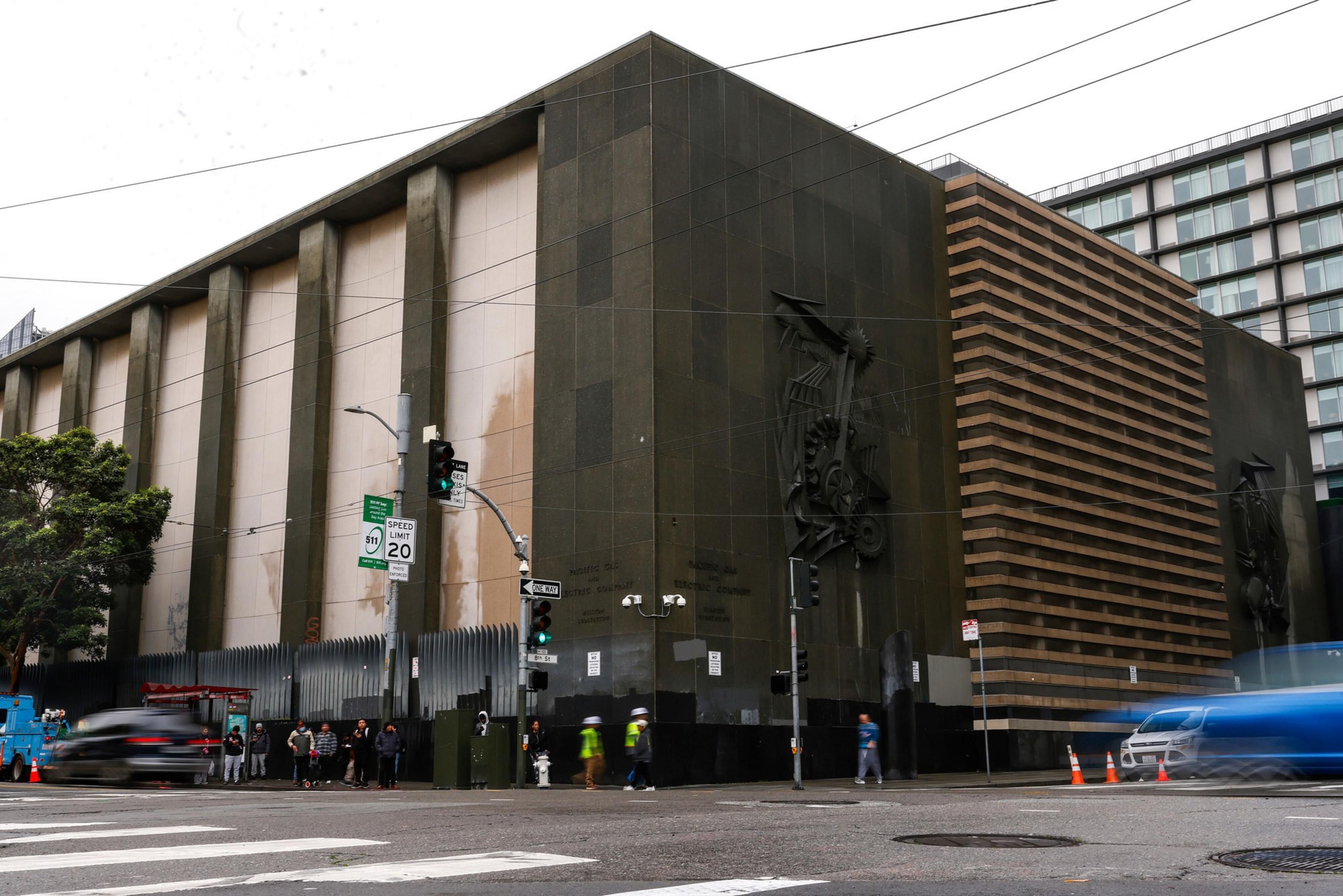
Making the situation worse, Waymo vehicles stalled more than 1,500 times during the outage, forcing the company to dispatch tow trucks to retrieve 64 cars while overwhelmed city dispatchers — kept on hold for as long as 53 minutes — scrambled to clear blocked intersections. Meanwhile, residents complained that PG&E estimates for power restoration were wildly inaccurate.
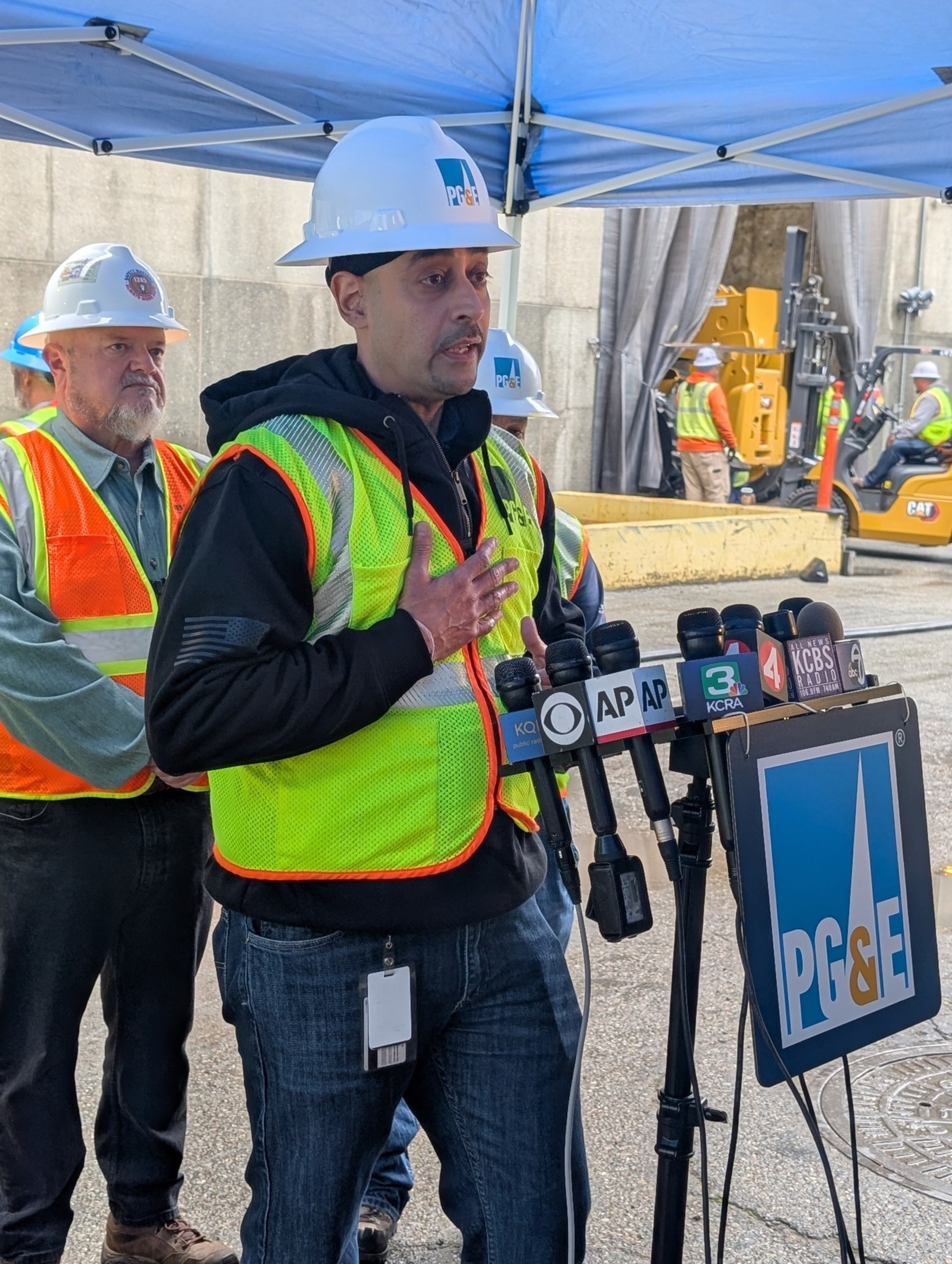
In an interview with The Standard, Sumeet Singh, CEO of PG&E Co., expressed regret for the incident and asserted that the company would improve its operations to prevent a similar incident.
A statement issued Friday did not mention the company’s knowledge of damaged equipment, and Singh said in the interview that there was no sign that PG&E could have known the substation was vulnerable to a fire.
“We did not have any indications,” he said. “There were no early warning indicators.”
He said no employees had been disciplined or terminated as a result of the incident. The company does not have an estimate of the economic impact of the blackout.
PG&E customers were left infuriated by the blackout as they face increasingly high electricity bills that have added to the city and state’s affordability crisis. The situation has renewed long-standing calls for the city to break up with the multibillion-dollar company.
Have thoughts on this story?
It was not the first time the Mission substation had failed: In 2003, a fire at the site (opens in new tab) led to a $6.5 million fine by state regulators and the discovery through a subsequent investigation that a similar blaze had occurred in 1996.
PG&E said it has taken action since the December incident, including conducting thousands of inspections at all 31 city substations and replacing equipment.
In the wake of the outage, the company apologized and issued a $200 credit for residential customers and $2,500 for businesses. Singh said the credits and damage claims amount to roughly $50 million.
The incident left local lawmakers exasperated, and supervisors quickly called for a hearing, demanding that PG&E explain why the blackout had occurred and how the company had responded. A February hearing revealed an avalanche of blunders by PG&E, including delayed responses and flawed restoration estimates.
Also at the hearing, Singh said Mayor Daniel Lurie had personally directed PG&E to respond to the Opera House during the emergency, where his daughter was performing in a ballet, though the CEO retracted the statement hours later.
December’s blackout has had ripple effects at the state level and has renewed calls for San Francisco to break up with PG&E, an effort that has been decades in the making. The city has pressed state regulators to investigate the December incident, claiming in a March letter signed by Lurie and others that the California Public Utilities Commission was dragging its feet on a probe.
Meanwhile, state Sen. Scott Wiener, who is running to succeed Rep. Nancy Pelosi, introduced a bill earlier this year in response to the blackout that would have made it easier for San Francisco to pull away from PG&E. The bill failed to pass out of committee.
But others are putting pressure on PG&E, including gubernatorial candidate Tom Steyer, who has blasted the utility for its high prices and the $17 million salary of Patti Poppe, CEO of PG&E Corp. Steyer has promised that if he’s elected, he will lower electricity costs by 25% and appoint voices critical of the utility to the CPUC, among other proposals.
PG&E considers Steyer’s candidacy — which was buoyed by the exit of former Rep. Eric Swalwell — a major threat and has plowed millions of dollars into an anti-Steyer PAC. This week, Steyer’s campaign alleged that the utility breached campaign finance laws through its spending spree on statewide ads blasting the candidate.