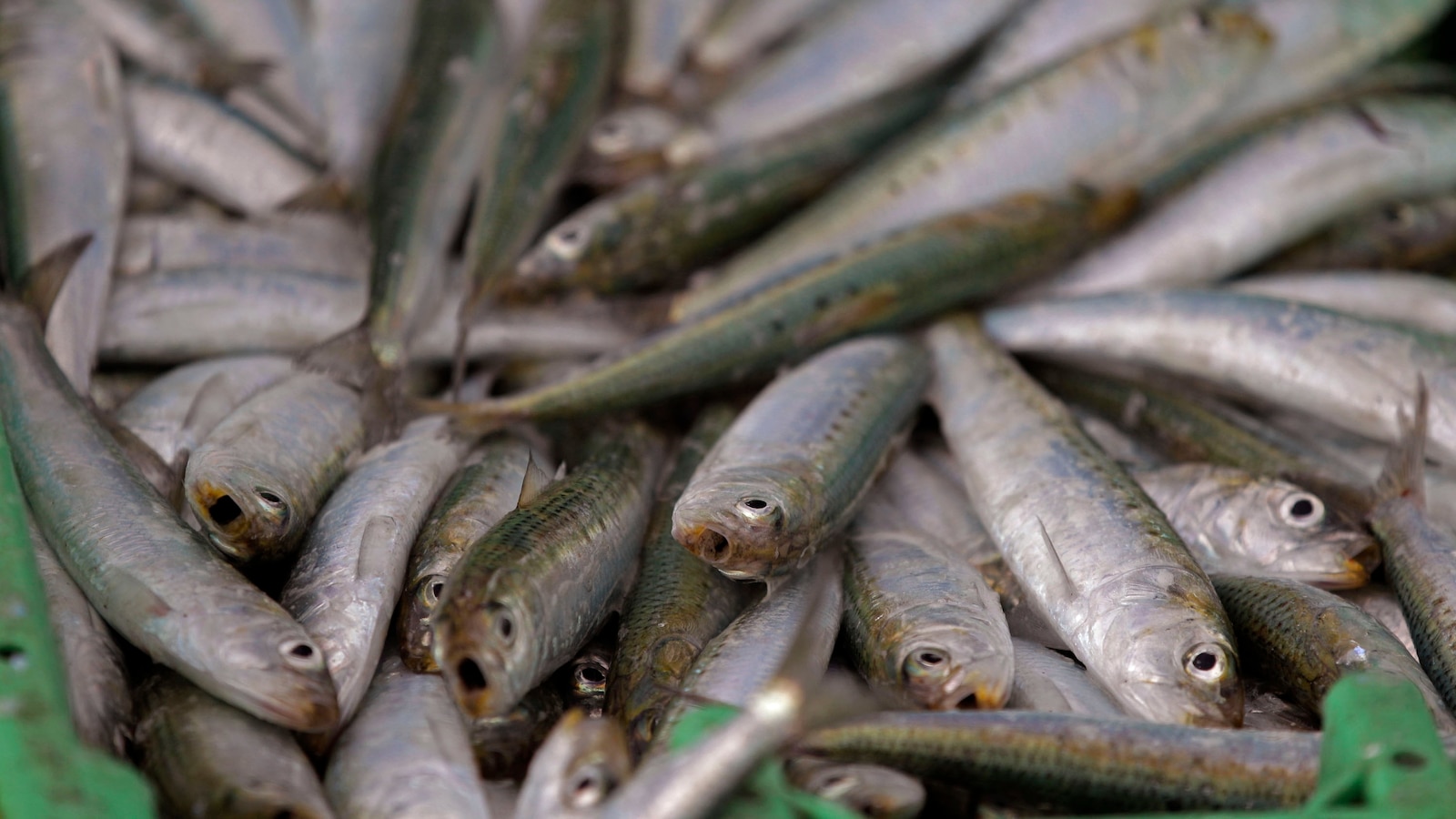
Researchers explore herpes virus link to mass sardine deaths off South Africa
Scientists in South Africa are currently investigating a disturbing phenomenon: the mass death of sardines along the western and southern coasts of the country. Preliminary findings suggest the involvement of a newly identified herpes virus, named pilchard herpesvirus (PHV), though the extent of its role in these fatalities remains uncertain.
The recently reported sardine mortality event represents a significant milestone for the nation’s Department of Forestry, Fisheries and the Environment. It marks the first documented presence of PHV in sardines off the South African coast, raising alarms among researchers and policymakers alike. This virus, known for its association with two major sardine die-offs in Australia during the 1990s, is known to induce gill inflammation and thickening, thereby impairing the fish’s ability to absorb oxygen.
Sardines and pilchards are often considered interchangeable as they belong to the same family, with sardines generally being younger and smaller fish. Despite the viral detection, the department has reassured the public that PHV poses no known risk to human health, thereby indicating that commercial sardine catches and canned products remain safe for consumption.
Currently, multiple specimens, encompassing both deceased and live sardines from the impacted zones, are being rigorously analyzed by scientists at the South African Institute for Aquatic Biodiversity in collaboration with local academic institutions. Initial analyses reveal that dead fish consistently exhibited elevated levels of the herpes virus, while live samples presented a more varied viral load.
Researchers are also exploring alternative factors that may have contributed to the sardine die-off, including harmful algal blooms and adverse environmental conditions such as low ocean oxygen levels and unusually cold water temperatures. However, the evidence increasingly favors PHV as the predominant cause of the mass mortality.
The implications of this sardine crisis extend beyond ecological concerns. The Koeberg Nuclear Power Station, situated north of Cape Town, has been forced to operate at reduced capacity due to dead sardines obstructing its seawater intake systems.
As experts continue to unravel the complexities surrounding this event, it remains crucial to monitor the intertwined effects of environmental changes and infectious diseases on marine ecosystems.
#business #environment