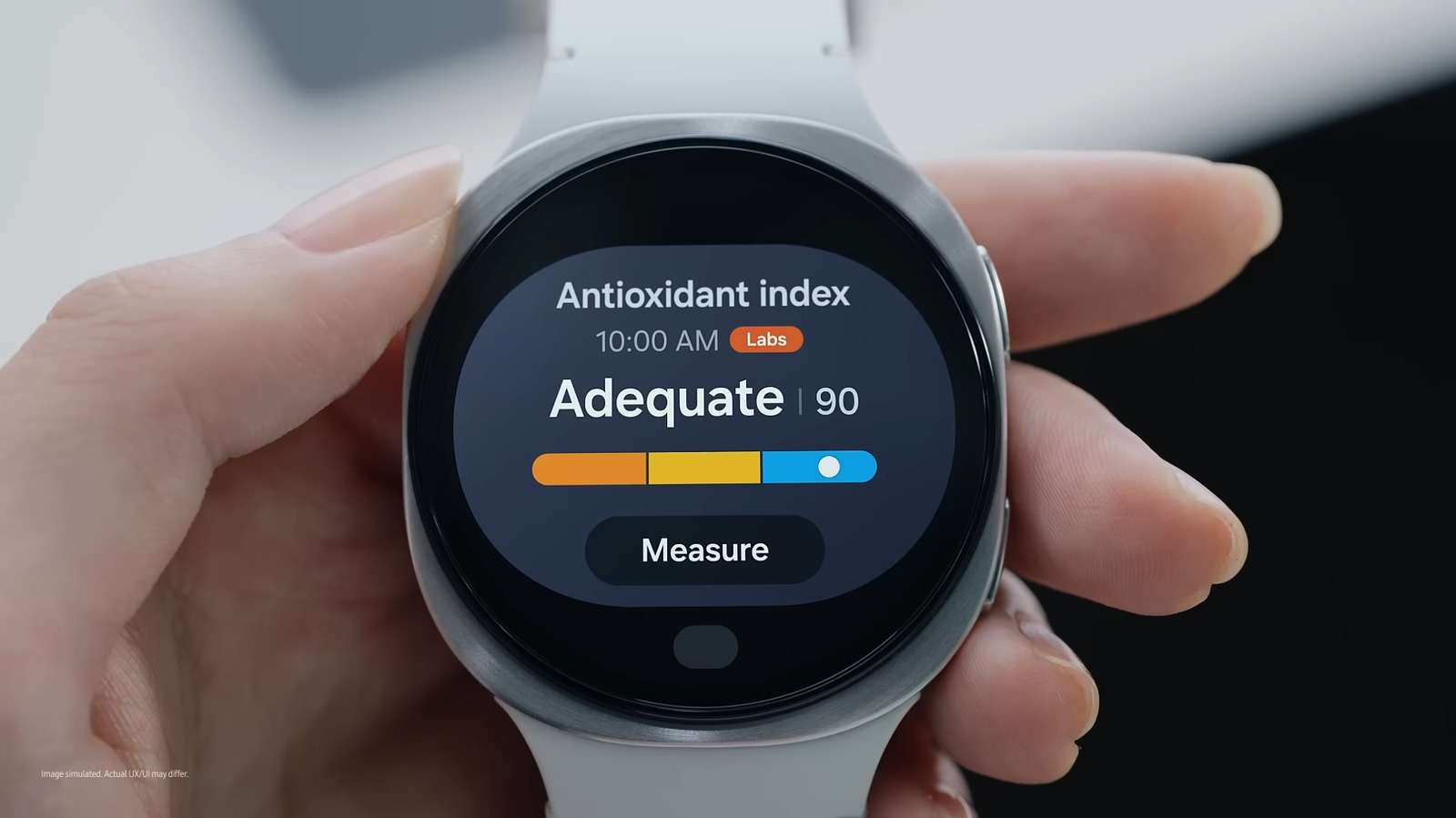
Samsung Galaxy Watch introduces technology to measure antioxidant levels in users
Samsung has set out to enhance user health awareness through innovative features incorporated into its Galaxy Watch series. One noteworthy addition is the Antioxidant Index, a measurement tool that provides insights into a user’s dietary antioxidant levels by utilizing the watch’s built-in light-emitting diodes (LEDs) located on its back. This index serves to inform users about their adherence to the recommended daily intake of fruits and vegetables as endorsed by the World Health Organization (WHO). By monitoring this score, individuals can better understand the dietary impacts on their health and lifestyle choices.
The Antioxidant Index feature is not visible by default, unlike common metrics such as step counts. To access this functionality, users need to enable it through the Samsung Health app. Remarkably, the process of obtaining an Antioxidant Index score takes only five seconds. Users need to navigate to the Antioxidant Index tile, remove their watch, press a button to measure, and place a thumb against the glowing LEDs. The result is then displayed promptly.
Central to this measurement is the focus on carotenoids, specific antioxidants that impart vivid colors to many fruits and vegetables. These pigments are absorbed and stored in the skin over time, providing the basis for the Galaxy Watch’s assessment of antioxidant levels. The watch employs Samsung’s BioActive sensor, which consists of multiple LEDs emitting light in diverse wavelengths, complemented by a photodiode array that detects the light reflected off the skin. The key to this assessment is that carotenoids effectively absorb blue light; thus, a higher degree of blue light absorption indicates elevated carotenoid levels.
The Antioxidant Index yields a score ranging from zero to one hundred, which is categorized into three tiers: “Very low,” indicating inadequate intake below 50% of WHO recommendations; “Low,” marking intake between 50% and 100%; and “Optimal,” reflecting compliance with or exceeding the required intake. Users seeking to monitor progress can review historical data through the Samsung Health app, which displays a trend graph.
However, the Antioxidant Index does have its limitations. It focuses solely on skin carotenoids, which represent a fraction of the total antioxidant content in the body. Despite rigorous testing and comparisons with established measurement methods, users have reported discrepancies between their dietary habits and the readings provided by the device. Factors beyond skin carotenoid levels, including lifestyle choices such as physical activity, quality of sleep, stress factors, alcohol consumption, and UV light exposure, also influence the results. Additionally, not all fruits and vegetables contain high carotenoid concentrations, leading to potentially misleading scores. It is crucial for users to maintain consistent dietary habits over time to observe tangible benefits reflected in their measurements.
#business #technology