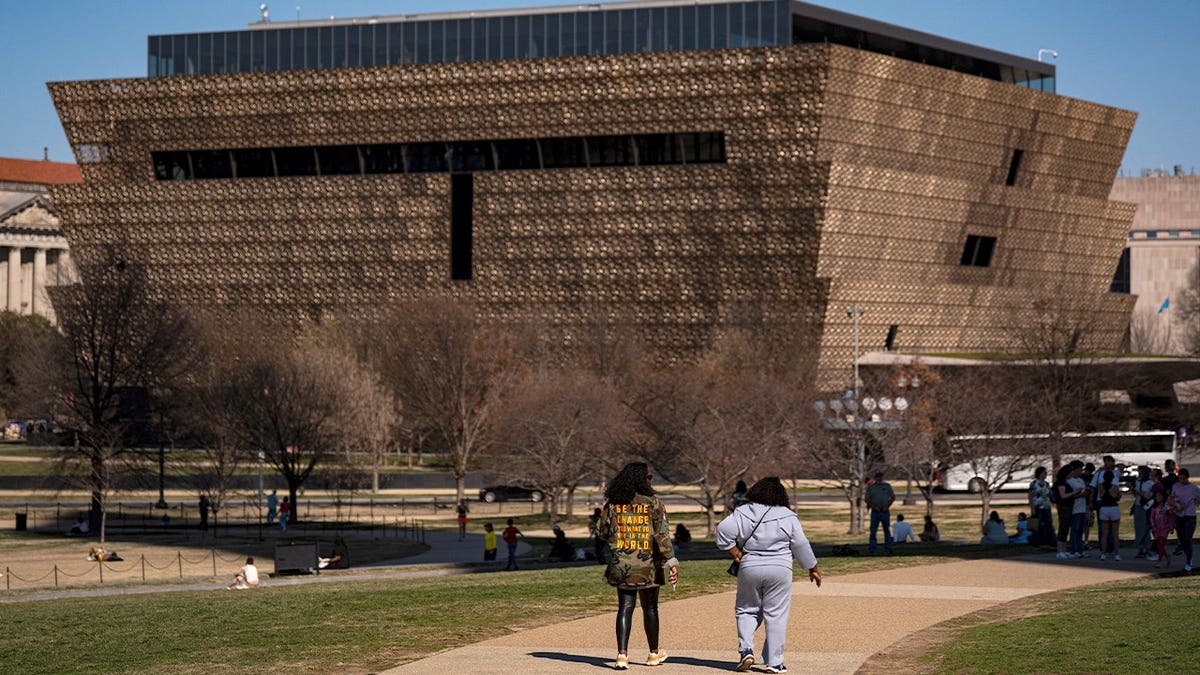
Smithsonian screening dispute tests museum’s commitment to diversity in views regarding racial representation
Eli Steele, a Black conservative filmmaker, is pressing the Smithsonian Institution for an explanation as to why his documentary, “White Guilt,” has not yet been granted public screening opportunities at the National Museum of African American History and Culture (NMAAHC). This museum has historically hosted numerous films that explore themes of systemic racism, yet Steele’s project has faced a puzzling roadblock.
The documentary, which Steele co-produced based on concepts from his father, esteemed Black scholar Shelby Steele, investigates the societal impacts of White guilt and the prevailing tendency to prioritize racial identity over individual merit in institutional settings. Notably, Eli Steele—a Black, Jewish, and deaf filmmaker—uses his own life experiences to challenge widely accepted perspectives concerning race and identity.
The controversy surrounding Steele’s film unfolds against a broader backdrop of heightened scrutiny towards the Smithsonian. Under pressure from political figures, including former President Donald Trump, the institution faces accusations of harboring ideological bias in its historic portrayals. Critics argue that the Smithsonian promotes progressive narratives while sidelining conservative viewpoints.
In correspondence regarding the documentary, Steele’s requests for public screening dates were met with refusals, accompanied by an offer for private rental at a reported cost of ,000—a suggestion that fell short of the traditional support for public educational screenings. The filmmaker has expressed disappointment and a desire for dialogue, stressing that the film possesses professional quality akin to other controversial pieces previously shown by the museum.
Numerous observers have chimed in on the matter, including scholars and prominent cultural figures who argue that showcasing “White Guilt” in the context of existing dialogues on race can foster critical examination. They contend that doing so would not only stimulate healthy ideological discourse but would also challenge prevailing assumptions among viewers, especially progressives, regarding race and systemic inequality.
By neglecting to screen Steele’s documentary, critics assert that the Smithsonian may inadvertently convey a preference for certain narratives over others, undermining its commitment to representational diversity. The dialogue surrounding this issue reflects a broader cultural battle over perspectives presented in American museums, raising essential questions about the presentation of history and the impacts of ideological bias on public discourse.
The NMAAHC declined to comment on Steele’s screening requests, leaving the filmmaker and his supporters questioning the institution’s commitment to diverse viewpoints. The controversy not only illuminates the complexities of race and identity discourse in America but also highlights the ongoing debates surrounding the control of narratives in spaces designed to educate the public.
#business #politics #entertainment