S&P 500 futures steady as traders seek recovery from oil-driven sell-off
In a day marked by volatility and geopolitical tensions, the S&P 500 Index managed a slight gain, closing up 0.05% at 7,411.98, while the Nasdaq Composite fell by 0.64% to end at 24,975.82. The Dow Jones Industrial Average, however, registered an uptick, gaining 235.60 points, or 0.46%, to close at 51,947.25. A notable rally in Apple shares, which surged 3.5%, contributed to the Dow’s performance.
Traders were influenced by mixed signals from the international arena, particularly concerning renewed tensions in the Middle East. According to a media source, discussions are moving forward regarding potential peace negotiations between the U.S. and Iran, initiated by China’s intervention. However, significant barriers to these discussions remain, complicating the geopolitical landscape and contributing to market uncertainty.
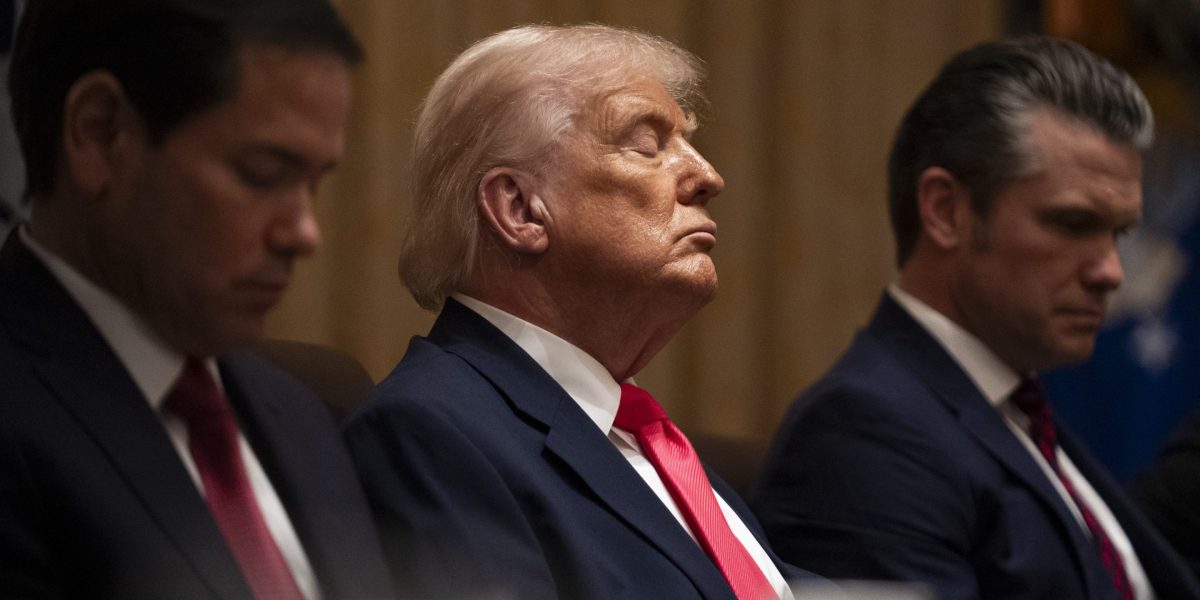
U.S. President Donald Trump recently indicated a contemplation of a “massive attack” on Iran, following his assertion that Iran has not yet faced adequate repercussions for its actions in the region. The potential for escalating military conflict has generated trepidation among investors, particularly as market participants assess the implications of a prolonged conflict on global oil supplies. As the U.S. intensifies its military operations, having conducted 13 consecutive nights of strikes against Iranian targets, the impact on oil markets and broader economic conditions becomes increasingly relevant.
Oil prices exhibited a degree of retractation after reaching a recent peak above 0 per barrel, settling at .78 for Brent crude and .31 for West Texas Intermediate. The retreat in prices reflects traders’ hesitance as they navigate potential risks associated with escalating military actions in the Middle East, which could have profound implications for global energy markets and economic stability.
Tech stocks faced their own challenges, with Intel shares plummeting nearly 8% despite reporting better-than-expected quarterly results. Other prominent semiconductor companies, including Broadcom and Advanced Micro Devices, saw declines of 2.7% and 3.3%, respectively. This underperformance in the tech sector contributed to the Nasdaq’s losses, which closed the week down 2.1%, marking back-to-back weekly losses for both the S&P 500 and the Nasdaq.
As market participants look ahead, the interplay between geopolitical developments and economic performance will be critical to watch, given the potential for disruption in oil supply chains and its subsequent effects on inflation and economic growth.
#business #politics #technology