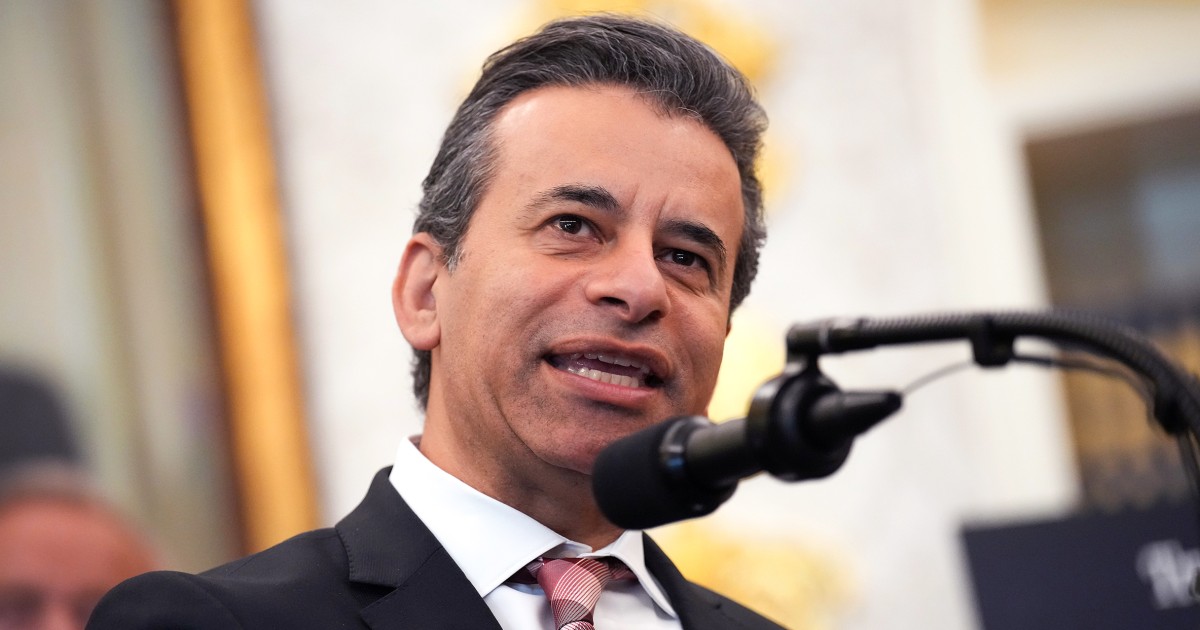
Treasury Market Signals Higher Rates Needed, Says Kevin Warsh
The trillion Treasury market is sending a clear signal to the Federal Reserve under the leadership of new chairman Kevin Warsh: current interest rates are insufficient. Recent economic data has influenced traders to forecast the possibility of an interest rate hike of at least a quarter-point, potentially occurring by October. The yield on two-year U.S. Treasury notes, which is highly sensitive to policy changes, has surged to around 4.15%, significantly above the Fed’s current target range of 3.5% to 3.75%. This divergence has persisted since March.
The increase in yields reflects rising concerns surrounding inflation and the potential risk of an overheated economy propelled by advancements in artificial intelligence. The market’s expectations may be further substantiated as reports on consumer and wholesale prices are due later this week.
Market analysts, including those at Brandywine Global Investment Management, are revisiting the notion of whether monetary policy is adequately restrictive. Jack McIntyre, a portfolio manager at the firm, has noted that the upward trajectory of Treasury yields is expected to continue until substantial economic shifts occur.
As the Fed prepares for its next meeting, the pressure on policymakers to respond to the bond market’s indications has intensified. Warsh, who previously advocated for lowering interest rates due to perceived restrictive policies, now faces growing skepticism from both market players and fellow central bankers regarding the management of inflation.
While some market participants, such as Andrzej Skiba from RBC Global Asset Management, caution against an impending economic overheating scenario, he acknowledges a shift in their interest-rate strategies, contingent on Warsh’s forthcoming pronouncements on monetary policy.
The compatibility of the Fed’s long-term neutral rate—an interest level that neither stimulates nor restricts growth—has also come under scrutiny. Earlier forecasts pegged this rate at 3.1%, but some observers argue that actual conditions may necessitate a reassessment, potentially warranting a hawkish approach to interest rates.
As the market eagerly awaits key economic indicators, including the release of the consumer price index, any moderation in inflation could temper current yield escalation, thus influencing Fed policy trajectories. However, with inflation remaining above the target set by the Fed, the overarching narrative of rising interest rates and yields seems poised to continue.
#business #politics #technology #environment