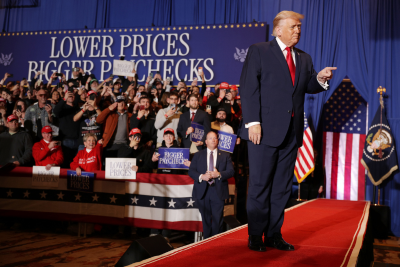
Trump announces the initiation of major combat operations in Iran.

In a significant escalation of military engagement, U.S. President Donald Trump announced that American forces have initiated extensive combat operations in Iran, collaborating with Israel to neutralize perceived threats from the Iranian regime. This move underscores a critical moment in geopolitical relations, highlighting the ongoing tensions in the Middle East and raising questions about the broader implications for regional stability and U.S. foreign policy.
U.S. President Donald Trump confirmed on February 28, 2026, that American military forces have commenced “major combat operations” in Iran, working closely with allied forces in Israel. The operations are framed as a response to what Trump defined as imminent threats posed by the Iranian regime, emphasizing a defensive strategy aimed at safeguarding American citizens.
This development marks a substantial shift in U.S. military involvement in the region and reflects a long-standing tension surrounding Iran’s influence across the Middle East. The announcement follows years of strained diplomatic relations and heightened hostilities, particularly regarding Iran’s nuclear ambitions and its support for various non-state actors in the region.
In the context of these operations, President Trump stressed the commitment of the U.S. to protect its interests and the safety of its allies. The size and scale of these operations have raised concerns about the potential for a wider conflict, one that could draw in other nations and further complicate the already volatile geopolitical landscape of the Middle East.
Previously, military actions by the U.S. have often elicited mixed reactions, with critics viewing them as imperialistic and advocates highlighting them as necessary measures to counter terrorism and promote stability. As U.S. forces engage in Iran, discussions surrounding international law, human rights implications, and the overall impact on regional populations will likely intensify.
The outcomes of these military actions and their repercussions for diplomatic efforts in the area remain uncertain. Observers are particularly focused on how these developments will influence U.S. relations with other key Middle Eastern players, including the Gulf Cooperation Council, and how they might reshape the dynamics of power within the region.
As the situation evolves, implications for both U.S. domestic policy and international relations are being carefully monitored. The call for a nuanced understanding of the complex interplay between military action and diplomacy is more crucial than ever in navigating the challenges that lie ahead.
#WorldNews #PoliticsNews