Trump Provides Inaccurate Information on Drug Pricing Agreements
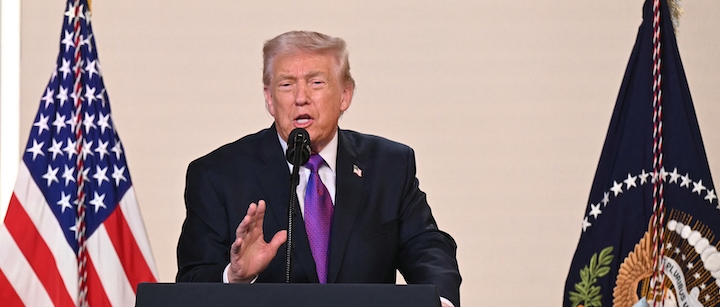
President Donald Trump stated recently that American consumers are benefiting from some of the lowest drug prices in the world due to the administration’s negotiations with pharmaceutical companies. The administration has introduced discounted cash prices for a select few brand-name medications. However, the broader implications of these negotiations on overall drug pricing are still uncertain.
During a speech on January 27, 2026, in Iowa, Trump asserted that previous administrations failed to achieve significant reforms in drug pricing. He emphasized that his administration has made substantial advancements, claiming, “We now are paying the lowest price anywhere in the world for drugs.” On February 5, during the launch of TrumpRx, a federal website aimed at directing consumers to cash prices negotiated by the administration, Trump reiterated that American citizens would no longer bear the costs for pharmaceuticals marketed internationally.
The TrumpRx website itself promotes the concept of “most favored nation” (MFN) pricing, suggesting that U.S. prices will align more closely with those of other countries—a strategy intended to provide significant savings for consumers. While specific agreements have been reached with a limited number of drug manufacturers, experts have cautioned that there is no guarantee of widespread reductions in drug costs.
Some reports indicate that while certain individuals might benefit from lower prices on a few specific medications, overall marketplace effects remain uncertain. According to health economists, the complexities of the U.S. drug pricing process make it difficult to ascertain whether these changes are translating into actual savings at the pharmacy counter.
Historically, the pharmaceutical industry has faced scrutiny over pricing practices, with ongoing debates about ensuring affordability and accessibility for all populations, especially those under Medicaid or uninsured. Currently, evidence points to a lack of immediate impact on most drug spending, with many public and private payers continuing to experience high costs.
While the administration’s negotiations have reportedly produced voluntary agreements with 16 companies, comprehensive benefits for consumers have yet to materialize. Experts argue that it is essential to analyze the long-term effects of these deals, as they may only provide incremental changes rather than sweeping reforms.
As discussions around drug pricing continue, it remains essential for policymakers to balance the interests of pharmaceutical companies with the needs of consumers, ensuring that healthcare innovation proceeds without sacrificing accessibility for all.
Visit ZezapTV for more information on this topic and to stay updated on developments in healthcare policy and pharmaceutical pricing.
#PoliticsNews #HealthNews