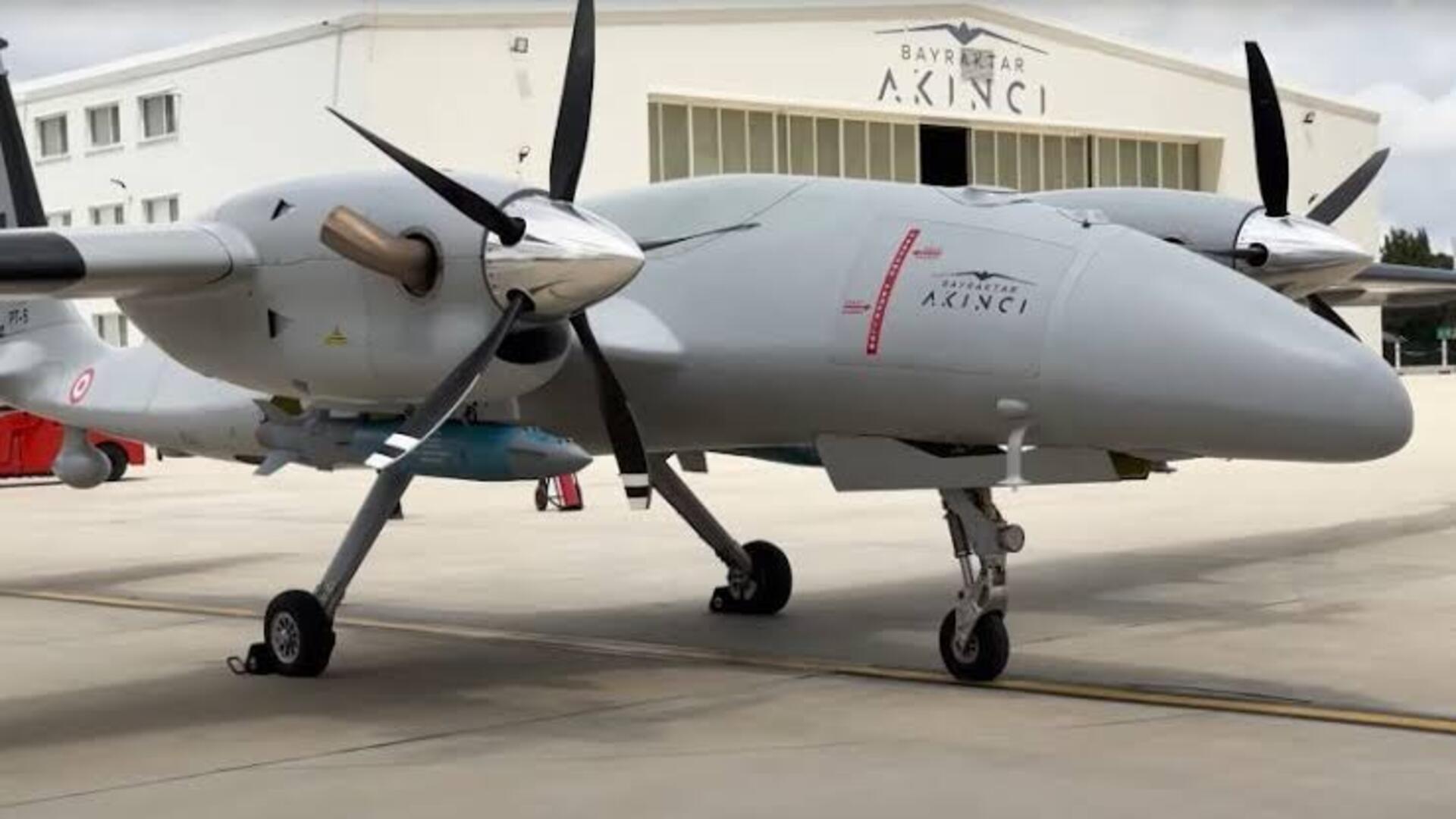
Turkish 66-ft drones target Chinese UAVs in Africa amid escalating but overlooked conflict
Sudan is witnessing a significant shift in its ongoing civil conflict, which has persisted since April 2023. The battle between the Sudanese Armed Forces and the paramilitary Rapid Support Forces (RSF) has not only been fought on the ground but has also taken to the skies, where a competition between unmanned aerial vehicles (UAVs) has emerged.
Since June 2026, it has been reported that Sudan’s military has successfully targeted and destroyed at least six Chinese-made CH-95 drones utilized by the RSF. This confrontation highlights the evolving warfare strategies that incorporate advanced technology. A Turkish-built Bayraktar Akıncı drone has frequently intercepted these CH-95 UAVs, showcasing a stark contrast between the two operating models.
The CH-95 is designed for various missions, including reconnaissance and electronic warfare, with capabilities allowing it to fly at altitudes exceeding 7,000 meters for over 12 hours. However, the Akıncı, with a maximum takeoff weight of around 6,000 kilograms and a payload capacity reaching 1,350 kilograms, offers extended operational engagements of over 24 hours at altitudes up to 13,700 meters. This operational superiority underscores the financial disparity as well; the Akıncı is valued at approximately million, a stark contrast to the CH-95’s estimated cost of around million.
As these advanced drones become central to the conflict, the United Nations has raised alarms regarding civilian harm caused by drone warfare. Reports indicate that armed drones are now the leading cause of civilian casualties in Sudan. Between January and April 2026, drone strikes alone accounted for over 880 civilian deaths, representing 80% of the total conflict-related fatalities. The extensive use of drones raises ethical concerns and highlights the detrimental impact of modern warfare on civilian populations.
The implications of this aerial competition extend beyond financial strain; the nature of drone combat is altering the landscape of the Sudanese conflict. The Akıncı’s ability to engage enemy aircraft, combined with its sophisticated radar and weaponry, enables a more proactive defense against the longstanding aerial threats posed by the RSF. The overall situation reflects a growing trend in military engagements worldwide, where technology is increasingly dictating the terms of conflict and its often devastating consequences.
As the war rages on, the international community watches closely, concerned about the humanitarian crisis compounded by the clandestine nature of arms supply chains. The presence of advanced drones on both sides signifies a deepening complexity in modern warfare, one that raises challenging questions about the future of armed conflict and the safeguarding of human rights amidst the chaos.
#business #politics #technology #environment