US gas prices rise to per gallon amid escalating tensions between the US and Iran
U.S. gasoline prices have surged past the per gallon mark as tensions between the United States and Iran escalate, posing significant implications for consumers and the broader economy. The latest data from a media source reveals that the national average for a gallon of regular gasoline has risen to approximately .00, marking an increase of 13 cents since the previous week. This increase is notably steep compared to the average price of .14 per gallon observed at this time last year, underscoring the dramatic shift in fuel costs amid rising geopolitical tensions.
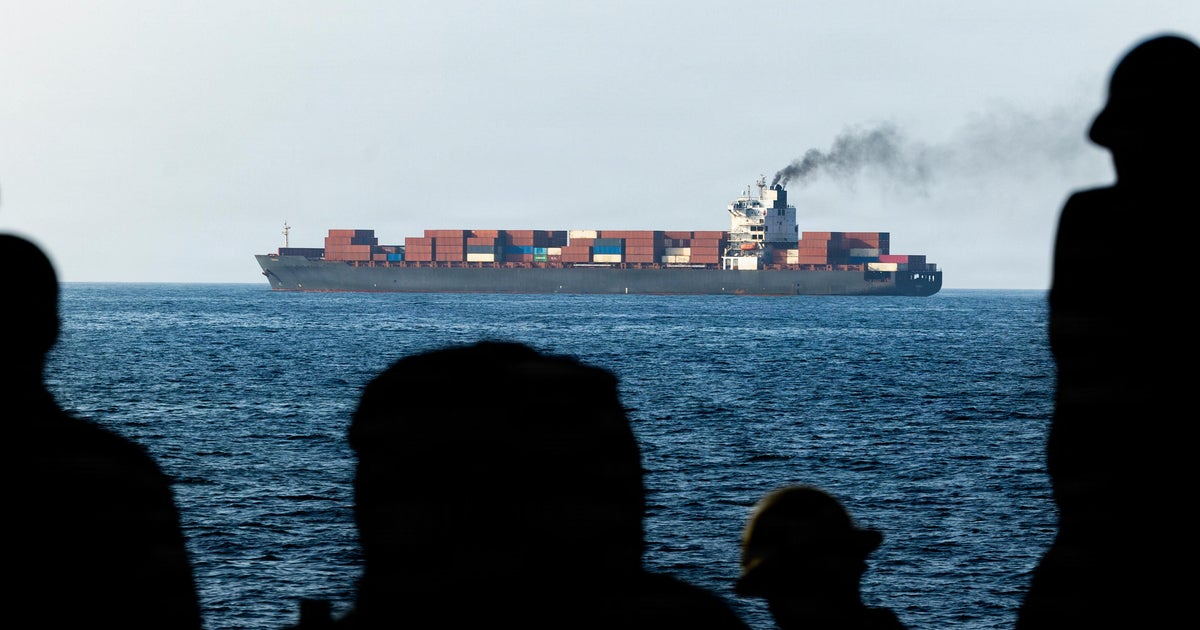
The conflict between the U.S. and Iran has exacerbated existing vulnerabilities in global fuel supply chains, particularly as crude oil prices rise in response to production disruptions in the Middle East. Following a period of relative stability, the situation has deteriorated just weeks after an interim agreement aimed at reducing hostilities was reached. Recent U.S. military actions, including intensified airstrikes on Iranian positions, have rekindled fears of significant disruption to oil transport through the Strait of Hormuz, a critical passage for global oil shipments.
Regional price disparities have become increasingly pronounced, with states like California experiencing markedly higher fuel costs, averaging nearly .50 per gallon. In contrast, states such as Indiana and Mississippi report averages closer to .35 and .57 per gallon, respectively. These differences are influenced by various factors including local supply logistics and differing tax structures.
While the White House has expressed optimism that oil prices may eventually stabilize as military actions purportedly reduce Iran’s ability to disrupt maritime trade, uncertainty looms over the effectiveness of such promises. Analysts indicate that even should fighting cease, it could take substantial time for global oil supply chains to recover to their pre-conflict state. Projections suggest that full production in the Persian Gulf may not be realized until at least the first quarter of 2027.
The rise in gasoline prices is coupled with increased costs for diesel fuel, which is reaching nearly .11 per gallon. These elevated fuel prices contribute to heightened transportation costs for businesses and households alike, exacerbating financial strain on consumers already grappling with inflationary pressures on essential goods.
As the situation continues to develop, the potential impact on the U.S. economy and consumer sentiment remains a point of concern that could influence voter behavior in upcoming elections.
#business #politics #technology