
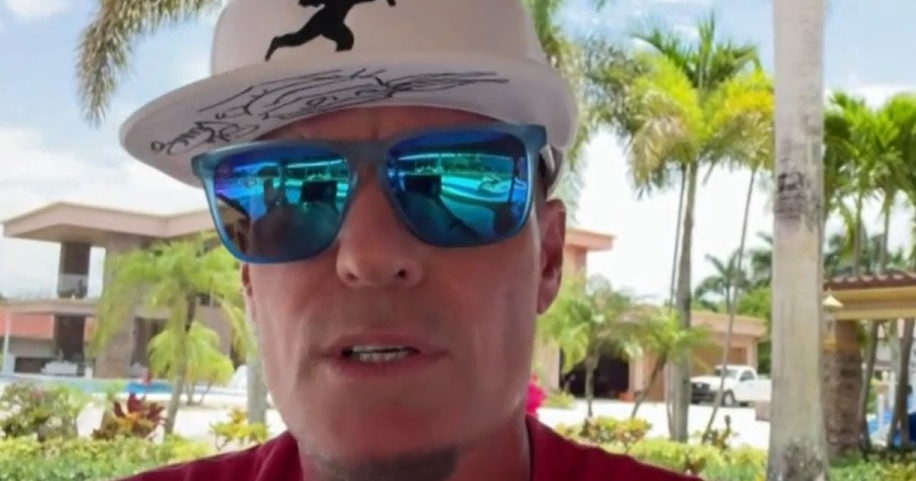
Vanilla Ice willing to perform for anyone after multiple artists withdraw from Freedom 250 concerts
In a contentious backdrop of political division, rapper Vanilla Ice, born Robert Van Winkle, affirmed his participation in the upcoming Freedom 250 concert series in Washington, D.C., despite the withdrawal of several other prominent artists. As the event aims to commemorate the 250th anniversary of American Independence, it has drawn scrutiny regarding its political affiliations.
Originally announced to feature numerous artists, the concert series has seen significant attrition, with acts such as Morris Day and the Time, Young MC, and The Commodores opting out due to perceived political implications. Reports from a media source indicate that many of these artists expressed concerns about being misled regarding the event’s nonpartisan intentions, particularly following claims that the concert series is backed by Trump-aligned interests.
Freedom 250, an organization established under an executive order by former President Donald Trump, has insisted that the forthcoming events are indeed nonpolitical. They describe their mission as one dedicated to uniting Americans in celebration of the nation’s historic milestone. Under Trump’s directive, a task force was created to oversee arrangements for the 250th anniversary celebrations, distinct from a bipartisan commission established in 2016 for similar purposes.
Scheduled to run from June 25 to July 10 on the National Mall, the Great American State Fair will feature state and territory pavilions, specialized exhibits, live performances, and traditional fair attractions, according to Freedom 250’s promotional materials. This expansive event is being labeled a “grand celebration” intended to honor the nation’s history.
In light of the controversy, Vanilla Ice acknowledged the fears of his fellow artists regarding potential backlash from fans on social media but maintained his stance of separation between artistry and politics. He emphasized that his commitment lies with celebration rather than political entanglements, suggesting that artists should be free to express themselves irrespective of political narratives. Notably, he stated his willingness to perform for various political figures, including those on opposing sides of the spectrum.
As the concert series approaches, the implications of this diverging artist participation underscore ongoing dialogues about the intersection of art and politics in contemporary society. The fallout surrounding Freedom 250 illuminates the complexities artists face when navigating personal beliefs and public engagements in an increasingly polarized environment.
#entertainment #politics


