Stock futures rise slightly after slow July start as jobs report approaches
On Thursday, the Dow Jones Industrial Average reached unprecedented heights, marking a notable response from investors to a disappointing nonfarm payrolls report for June. The index concluded the trading day with a net gain of 594.83 points, representing a 1.14% increase, culminating in a record close of 52,900.07. During the session, the average even touched an all-time intraday peak of 52,903.85. In contrast, the S&P 500 index saw a marginal rise of less than a point, finishing at 7,483.24, while the Nasdaq Composite experienced a decline of 0.8%, settling at 25,832.67.
The downturn in the Nasdaq was largely attributed to the underperformance of the semiconductor sector, which has faced difficulties over the past few days. The VanEck Semiconductor ETF fell by 4.5%, driven down by significant losses from key players in the industry. Teradyne shares dipped by 13.6%, and KLA shares fell by 11.5%. Notably, Nvidia saw a decline of 1.4%, while Micron’s shares lost 5.5%.
Market analysts have interpreted this volatility as a potential shift away from the once-dominant semiconductor sector towards other investment opportunities. Anshul Sharma, chief investment officer at Savvy Wealth, suggested that this trend may reflect a broader reevaluation of the artificial intelligence market, particularly as companies reassess their computing costs.
Overall, the major stock indices concluded a holiday-shortened week with positive momentum; the S&P 500 appreciated by 1.8%, while the Dow and Nasdaq increased by nearly 2% and 2.1%, respectively.
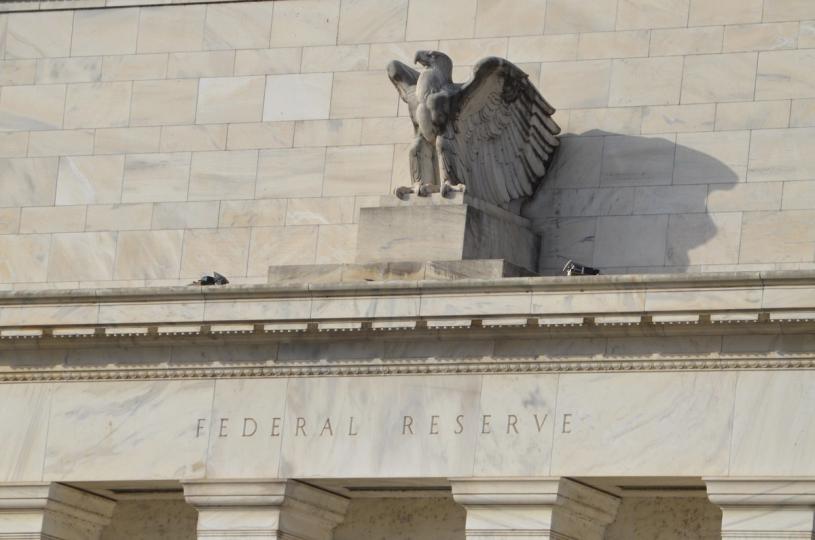
The June jobs report presented a concerning picture, as only 57,000 jobs were added to the economy, significantly below the 115,000 anticipated by economists surveyed by a media source. Despite this shortfall, the unemployment rate fell to 4.2%, better than the expected 4.3%. In light of this data, yields on the 2-year Treasury note decreased, alleviating some of the immediate pressure on the Federal Reserve regarding potential interest rate hikes. Financial experts suggest that the job numbers might provide the Fed with a temporary reprieve from tightening monetary policy in the near term, particularly under Chairman Kevin Warsh, who is still defining the institution’s response to economic fluctuations.
#business #politics #technology