
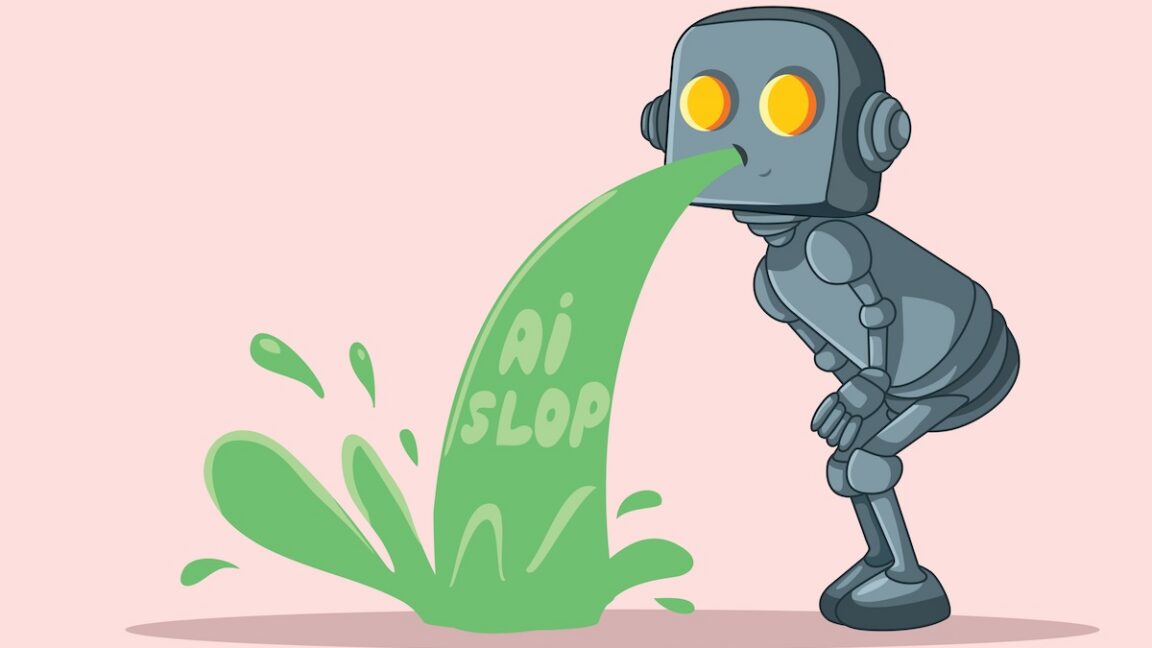
AI Agents Overwhelm Internet with Spam Content
Increasing concerns surrounding automated communications from AI agents have surfaced following incidents involving unsolicited emails from a particular company known for its digital agents, identified through a social media query. Users have noted that many of these messages lack the essential option to unsubscribe, raising potential violations of federal law designed to protect consumers from spam.
In the wake of public complaints, individuals have taken the initiative to forward these unsolicited correspondence to the Federal Trade Commission (FTC). This action prompted a noticeable shift; the offending communications subsequently began to include unsubscribe capabilities, revealing the pressing need for accountability within the industry. An unnamed company representative acknowledged the issue, expressing regret over the intrusive emails and indicating a commitment to investigate the matter further.
The automation of these communications appears to be a harbinger of a more significant trend, as AI companies, despite recent pledges to moderate their development speed, are poised to intensify their outreach efforts. The proliferation of such AI-driven content raises ethical questions about consumer perception and the treatment of these digital agents, which are increasingly anthropomorphized by users. Many individuals, responding to the relatable marketing strategies employed by these agents, may misconstrue them as sentient entities possessing human-like needs and emotions. Such misconceptions can lead to misplaced trust, as people might become overly reliant on AI for guidance in personal or sensitive matters.
Kevin Beaumont, an independent researcher in the field, voiced concerns regarding the need for social media platforms to potentially implement restrictions on AI agent presence. His experience with persistent registration attempts from one of these agents illustrates the growing challenge of distinguishing human users from automated bots, a significant concern for both users and platform administrators. As AI technology progresses, the sophistication of bot training may further complicate detection efforts and intensify the risk of misleading interactions.
While the landscape of AI communication continues to evolve, the implications for consumer rights and the future of digital interactions necessitate ongoing scrutiny. Industry stakeholders and regulatory bodies must remain vigilant in ensuring transparency and adherence to consumer protection laws, as the line between human and machine becomes increasingly blurred.
#technology #business #politics


