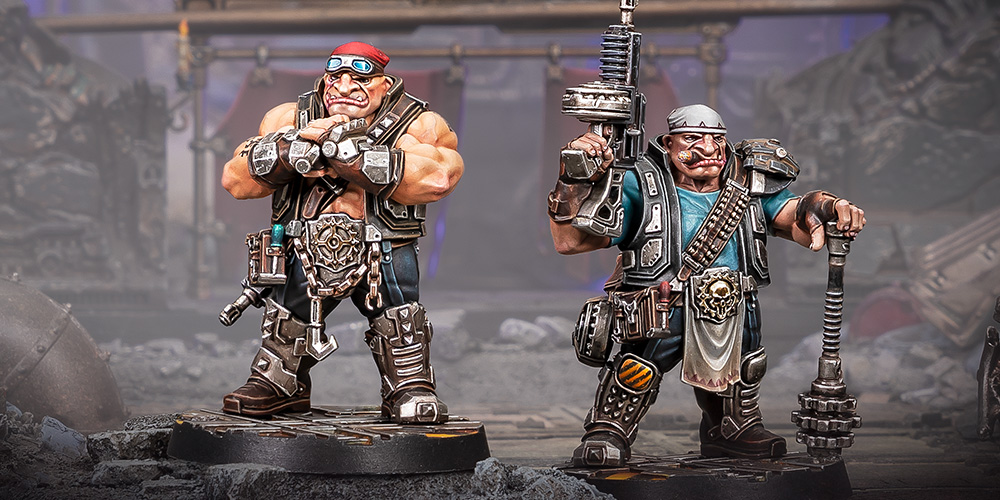
Designers Share Insights on Creating New House Orlock Miniatures for Warhammer
In a significant development within the realm of intellectual property, Middle-earth Enterprises has reinforced its commitment to protecting its extensive catalog of beloved franchises including “The Lord of the Rings” and “The Hobbit.” These iconic narratives have not only captured the imagination of fans across the globe but have also become integral components of pop culture. Recently, a media source reported on the various legal measures taken to safeguard these intellectual properties against unauthorized usage, particularly in the burgeoning landscape of digital content creation and artificial intelligence.
Middle-earth Enterprises, which holds the rights to these legendary stories and characters, has implemented strict guidelines regarding the use of their material. This move aligns with a broader trend observed across the entertainment industry, where companies are increasingly cautious about how their intellectual assets are utilized, especially with the rapid advancement of technology. The organization has made it clear that any use of their content for training generative artificial intelligence platforms is strictly forbidden, a stipulation aimed at preserving the integrity and original essence of their narratives.
These actions reflect the balance that corporations must strike in today’s digital age. On one hand, the creative potential offered by AI and digital platforms can provide novel ways to engage audiences. On the other hand, the risk of diluting brand value or misrepresenting established content poses significant challenges. The prohibition against using their intellectual properties for AI training underscores the need for companies to maintain control over their narratives in a fast-evolving media landscape.
Moreover, similar protective strategies are being observed among various entertainment giants, as they seek to navigate the complexities of rights management in an era marked by rapid technological change. The stakes are high, and the implication of these policies extends beyond mere copyright enforcement; they relate to the heart of brand identity and consumer trust.
As the intersections of technology, entertainment, and law become increasingly intricate, the actions taken by entities like Middle-earth Enterprises could serve as a precedent for other brands. The evolving dialogue surrounding intellectual property rights will undoubtedly continue to play a pivotal role in shaping the future of content creation and distribution.
#entertainment #technology #business