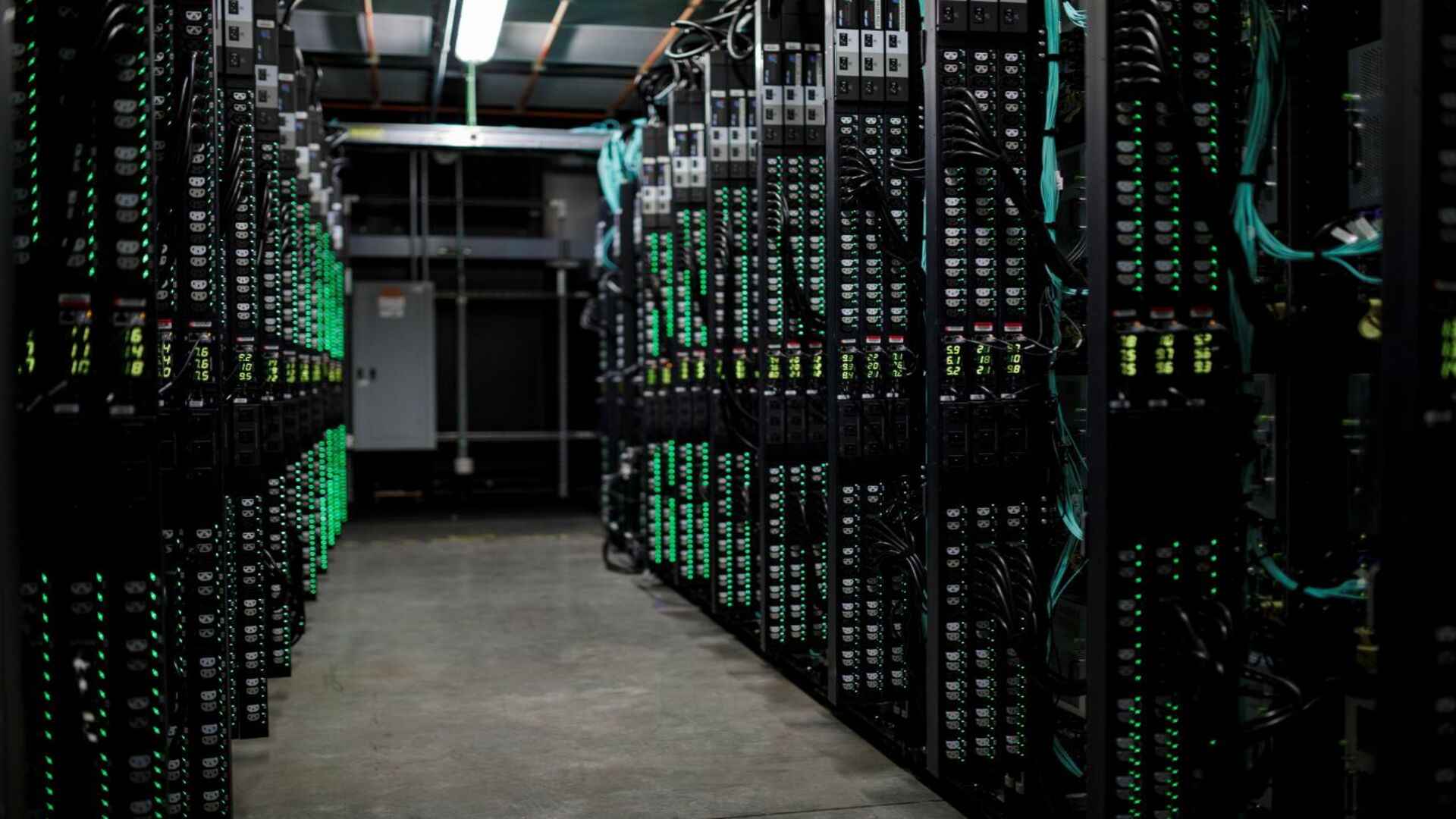
South Africans join global protests against data centers amid rising tensions over water and power resources
Civil society organizations in South Africa are advocating for a moratorium on new data center constructions until their potential impacts on critical resources—namely water, land, and electricity—are thoroughly evaluated. This call to action emerges amidst growing concerns over the country’s strained resources and environmental sustainability, reminiscent of the water crisis that plagued Cape Town just a few years ago.
The scrutiny surrounding these data centers places South Africa in context with other nations, such as Thailand and the United States, where local communities have voiced similar concerns regarding the sustainability of large digital infrastructure projects. In South Africa alone, President Cyril Ramaphosa has emphasized the nation’s dominance in the continent’s data center capacity, stating that it accounts for approximately 70% of Africa’s total. He advocates for this as an economic opportunity, expecting ongoing expansion by major international tech firms like Amazon, Microsoft, and Equinix.
However, this growth has encountered pushback. The South African Human Rights Commission has actively sought public input on the matter, receiving over 250 responses that highlight a widespread desire for transparency in regulatory processes related to new data center approvals. Many citizens are particularly concerned that the government lacks clear strategies regarding resource allocation for these projects, including electricity and water requirements, land use, and environmental impacts.
Among the contentious projects is the planned Equinix hyperscale facility in Cape Town, which has raised alarms due to the city’s painful history of severe water shortages, almost culminating in a scenario known as “Day Zero” back in 2018. The proposed data center is anticipated to draw around 160 megawatts of electricity, stoking fears of exacerbating the country’s ongoing struggles with rolling blackouts.
While the national power utility, Eskom, recently reported a surplus in electricity during the winter peak-demand season, civil society remains cautious, suspecting that any excess capacity might be redirected to fulfill the demands of new data centers instead.
Despite these concerns, operators push back against calls for a halt. They assert that proper regulations could create a more stable investment environment. The current lack of requirements for operators to disclose resource commitments further complicates the situation, leaving the path ahead uncertain. Whether the ongoing discourse will lead to beneficial reforms or simply delay vital digital investments remains to be seen.
#business #technology #environment