
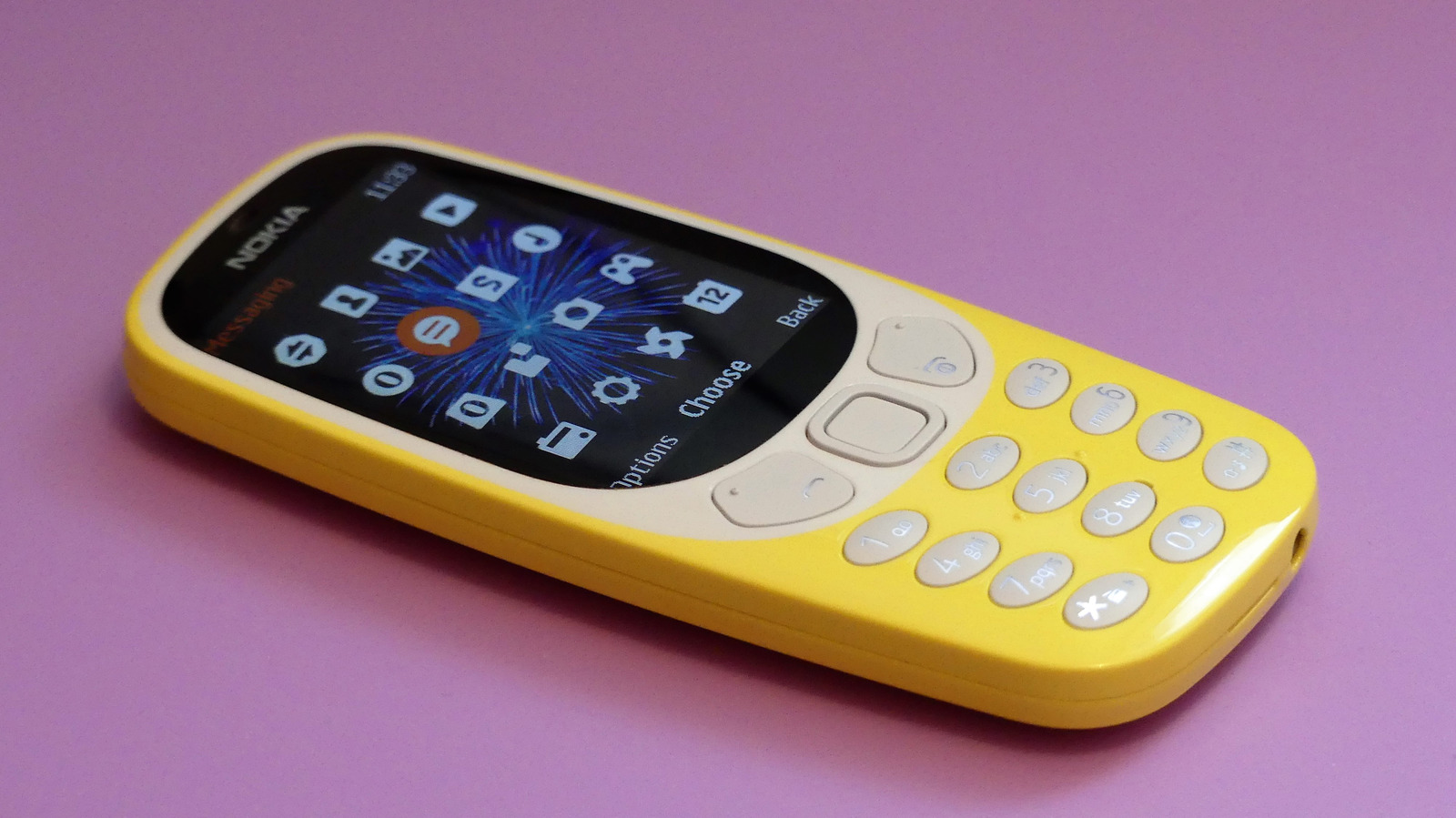
As smartphones continue to dominate the mobile device market, a growing interest in “dumb phones” has emerged, particularly among users seeking a simpler, distraction-free alternative. These basic phones, which primarily offer calling and texting capabilities, are becoming more popular as people look to reduce their screen time and digital distractions.
Dumb Phones Offer Reduced Distractions and Longer Battery Life
One of the main advantages of dumb phones is their ability to minimize distractions. Users often find it challenging to avoid social media and constant notifications on smartphones, even with features designed to limit screen time. Dumb phones typically restrict users to built-in applications for calling, messaging, and setting alarms, making it difficult to engage with distracting apps.
Battery life is another significant benefit of these devices. For instance, the TCL Flip Go can last approximately 14 days on standby, a feat that current smartphones struggle to match. This extended battery life makes dumb phones appealing for activities like road trips or hiking, where access to charging may be limited.
Privacy is also a consideration for users opting for dumb phones. With fewer third-party applications, there are fewer trackers collecting personal data for advertising purposes. Additionally, these devices are generally more affordable, often priced under USD 100, while entry-level smartphones can cost significantly more.
Limitations of Dumb Phones Compared to Smartphones
Despite their advantages, dumb phones are not suitable replacements for smartphones for most users. They lack many conveniences, such as mobile payment options like Apple Pay or Samsung Pay, and high-quality cameras. Users may also find it challenging to access essential services; for example, many dumb phones do not support popular messaging apps like iMessage, WhatsApp, or Telegram. Internet connectivity is often limited to 4G, with fewer models supporting 5G, which can restrict access to online services.
Moreover, users would lose access to two-factor authentication apps and banking applications, which are commonly used for enhanced security. While dumb phones can serve as a useful secondary device for those feeling overwhelmed by their smartphones, they are generally not practical as a primary phone.
Understanding Dumb Phones in Today’s Digital Landscape
Dumb phones, characterized by their basic functionalities, are becoming a viable option for individuals seeking to disconnect from the constant demands of modern technology. While they offer significant benefits in terms of distraction reduction and privacy, the limitations in functionality make them better suited as a supplementary device rather than a full replacement for smartphones.
As the trend of digital minimalism grows, the market for dumb phones may continue to expand, catering to users who prioritize simplicity and privacy over the extensive features offered by smartphones.