Google Home MCP enables Antigravity, Claude, OpenClaw, and others to manage smart home devices
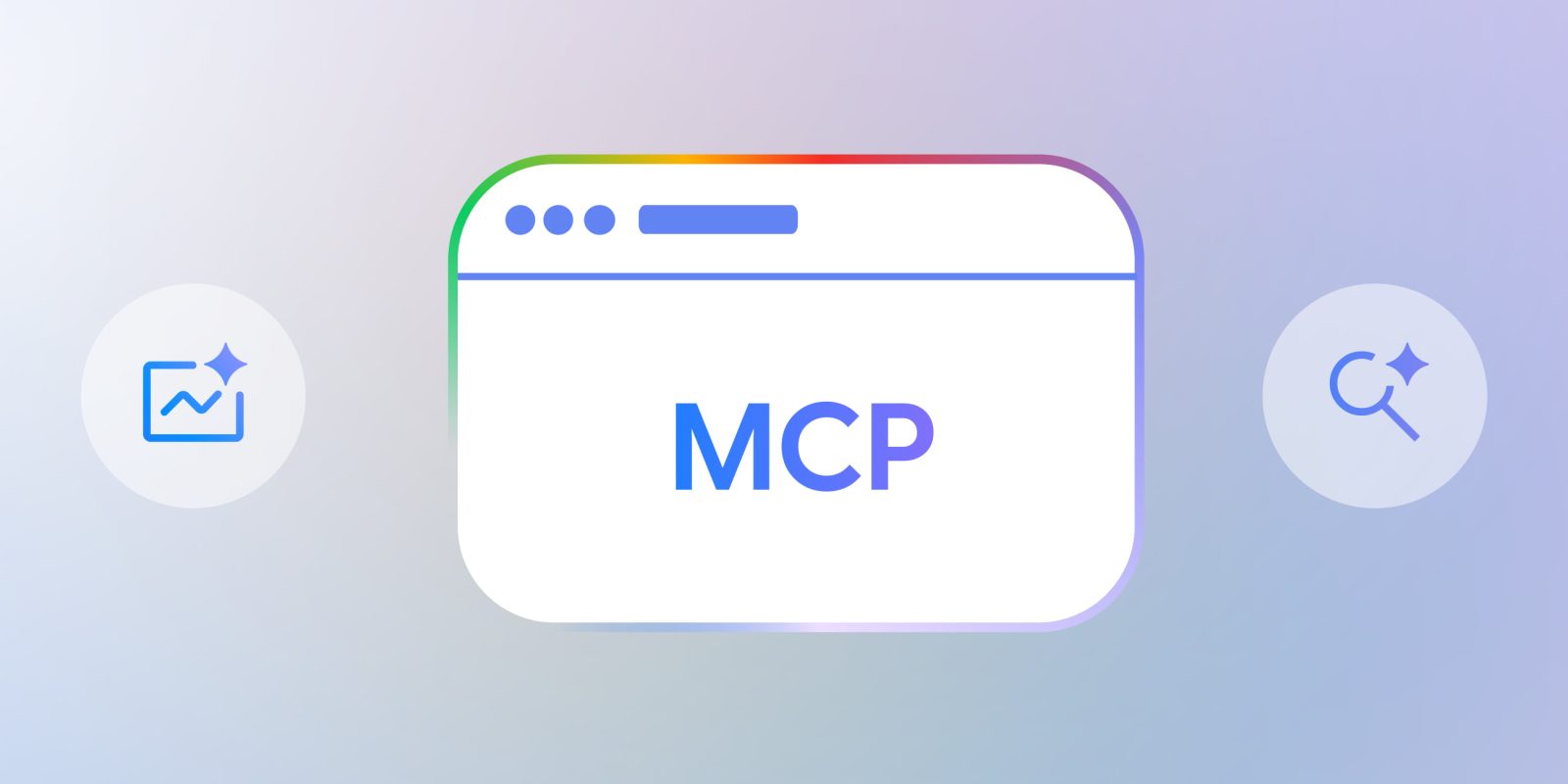
Google has recently introduced a new advancement aimed at enhancing user interaction with smart home devices through its artificial intelligence systems. This innovative feature, known as “Home MCP,” utilizes the Model Context Protocol to allow personal AI agents, such as Google Antigravity, Claude, Hermes, and OpenClaw, to seamlessly communicate with a variety of devices within the Google Home ecosystem.
The Home MCP initiative is significant as it enables these AI agents to interact with a diverse range of products, including Google Nest cameras and doorbells, Nest Thermostats, Matter light bulbs, and many more. The application of this technology presents several practical use cases for homeowners seeking efficiency and automation in their daily routines. For instance, users can leverage this feature to conduct cross-camera analysis, wherein an agent can summarize and present camera footage of children’s activities after school. Additionally, the feature allows for the analysis of household activity over time, such as tracking laundry loads or monitoring how long lights remain on.
Voice interaction is another key aspect of the Home MCP capability, as agents can send audio messages through Google Home speakers once specific tasks are completed. Moreover, it opens the door for users to customize their smart home experience by enabling the creation of personalized dashboards that provide tailored insights into their living environment.
Google emphasizes that Home MCP enhances the contextual understanding of each agent, granting it the ability to analyze and respond to inquiries regarding home activity while summarizing footage and automating various home management tasks. However, the technology comes with a note of caution regarding user security and privacy. The Home MCP system incorporates safety protocols, including rate limits and restrictions on sensitive actions, such as unlocking doors, to mitigate risks associated with its use.
Currently, the rollout of Home MCP is limited to Google Home Premium Advanced users in the United States, with functionality available in US English. To initiate the process, users must create a Google Cloud project and configure it for Home MCP. Once the setup is complete, agents will prompt users to sign in and grant necessary permissions.
For those interested in delving deeper into the technical aspects and exploring the full setup guide, additional resources can be found at the Google Home Developer Center.
#technology