
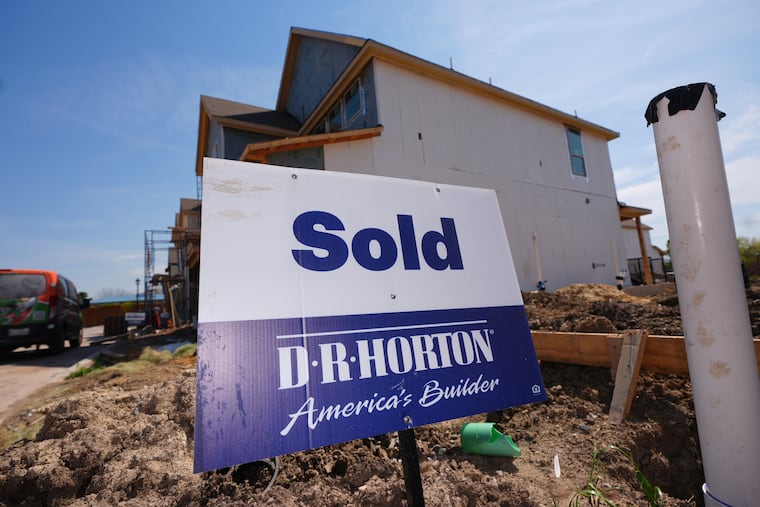
Many homeowners in the United States continue to face financial challenges even after paying off their mortgages. An analysis of Census Bureau data indicates that approximately 5.5 million mortgage-free homeowners allocate at least 30 percent of their household income to housing costs, with 2.7 million spending over half of their income on these expenses. This situation highlights that owning a home outright does not eliminate ongoing costs associated with homeownership.
Ongoing Costs of Homeownership Impacting Homeowners
Julia Taliesin, an economic analyst at Insurify, emphasized that “a paid-off mortgage doesn’t eliminate the ongoing cost of homeownership.” Homeowners still incur expenses such as property taxes, insurance, utilities, and maintenance, which can accumulate significantly. Insurify’s updated research shows that U.S. homeowners spend an average of USD 21,486 annually on these costs, broken down into USD 7,374 for maintenance, USD 5,649 for utilities, USD 4,427 for property taxes, and USD 3,012 for homeowners insurance, not including flood insurance.
Costs can vary widely by state, with 22 states reporting annual expenses exceeding USD 20,000. In states like California and Hawaii, these costs can surpass USD 30,000 due to higher property values and the impact of extreme weather conditions.
Strategies for Reducing Housing Expenses
Leo Chen, an assistant professor of finance at the University of South Florida, suggests homeowners review their property’s assessed value and consider appealing if it seems inaccurate. He noted that property tax assessments could be reduced in about 5 to 25 percent of cases, potentially saving homeowners between USD 500 and USD 2,500 annually. Homeowners should also investigate exemptions for homestead, seniors, veterans, and disabilities, which can lead to savings of over USD 1,000 if granted.
Taliesin recommends contacting insurance providers to inquire about available discounts, which can sometimes lead to reductions of 15 percent or more on premiums. Homeowners are also advised to consider downsizing, which may lower taxes and maintenance costs, although selling a home comes with transaction costs and potential new mortgage obligations at higher interest rates.
Chen warns that spending more than 30 percent of income on housing can indicate financial strain, especially if it leads to depleting savings or delaying necessary repairs. Despite these challenges, having a paid-off mortgage could provide homeowners with enough equity to explore options for moving or staying in their current homes.
Background on Homeownership Costs in the U.S.
Homeownership in the U.S. has long been viewed as a pathway to financial stability, but the reality of ongoing expenses can complicate this perception. While many homeowners celebrate the achievement of paying off their mortgages, the associated costs can create significant financial burdens, particularly for retirees and those on fixed incomes. Understanding these ongoing expenses is crucial for homeowners as they navigate their financial responsibilities.